Can I Mop After Pest Control? A Comprehensive Guide to Post-Treatment Cleaning

The short answer to the question “can I mop after pest control?” is yes, but only after a specific waiting period and with careful technique. Mopping too soon or incorrectly can compromise the effectiveness of the treatment, potentially wasting your investment and allowing pests to return. This guide provides a detailed, professional overview of when and how to clean after pest control, ensuring both safety and efficacy.
Why You Must Wait Before Mopping
Understanding why a waiting period is necessary is the first step to ensuring your pest control treatment is successful.
The Science of Residual Pest Control
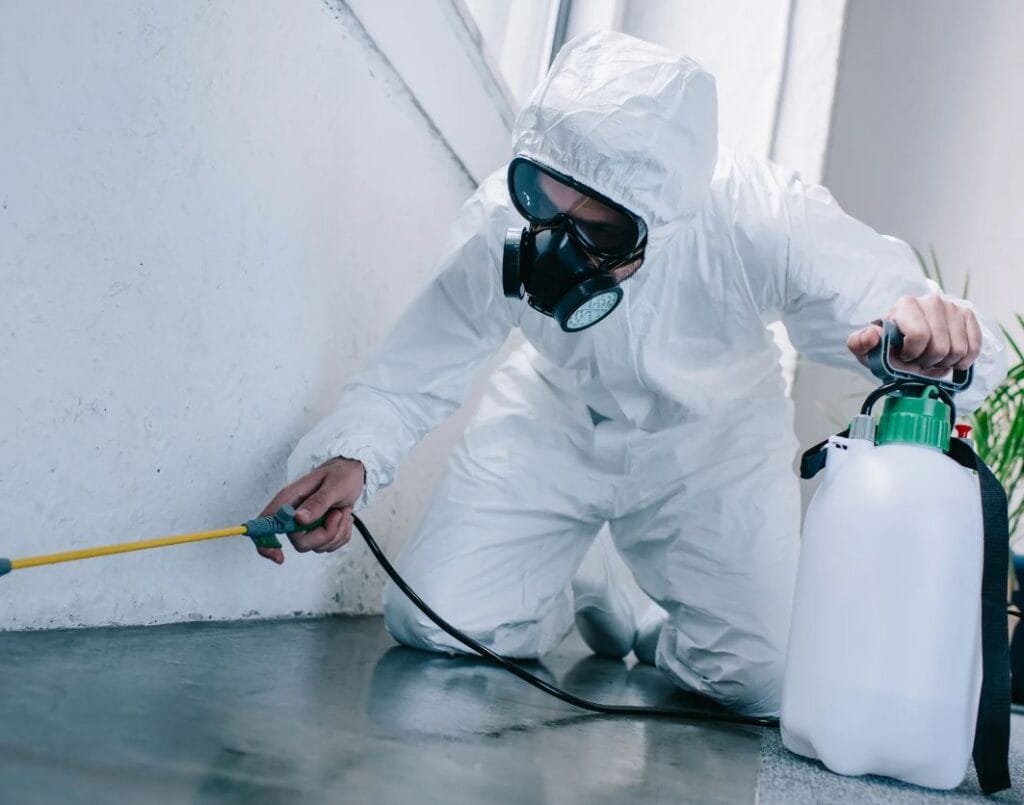
Most professional pest control treatments, especially sprays for ants, cockroaches, and spiders, rely on a residual effect. When applied, these products leave an invisible, microscopic layer of active ingredient on surfaces. As pests move across these treated areas, they pick up the chemical, which either kills them on contact or is carried back to their nest to eliminate the colony.
If you mop too soon, you physically remove this protective barrier. This is particularly problematic along baseboards, skirting boards, and floor edges—the primary “highways” pests use to travel through your home. Removing the barrier before it has had time to work leaves your home vulnerable to re-infestation. In essence, mopping too early can undo the entire purpose of the professional service.
Safety Considerations
Beyond effectiveness, safety is a primary concern. Allowing the treatment to fully dry minimizes the risk of human and pet contact with wet chemicals. Once dry, the residue is bound to the surface and poses significantly less risk, provided you follow recommended cleaning guidelines.
General Guidelines and Recommended Waiting Periods
While you must always prioritize the specific instructions from your pest control professional, the following table provides a general framework for waiting times based on different treatment types.
Crucial Note: If your pest control technician provides a specific timeframe, always follow their instructions. They are familiar with the exact products used and the specific pest problem being treated. Do not assume a general rule applies to your situation.
The Three-Stage Post-Treatment Cleaning Schedule
The answer to “when can I mop” isn’t a single date. Effective post-treatment cleaning should be viewed as a phased process.
Phase 1: The First 24-48 Hours (Absolute Rest)
This is the most critical period. Do not mop, sweep, or vacuum treated areas. Avoid touching or wiping treated surfaces. The goal is to let the product settle and begin working without any disturbance.
- What to do: Focus on ventilation. Open windows and doors to help dissipate any odors and allow fresh air to circulate.
- What to avoid: All forms of deep cleaning in treated areas.
Phase 2: After 48 Hours to 2 Weeks (Light & Strategic Cleaning)
Once the initial drying period has passed, you can begin some light cleaning, but you must be strategic.
- Vacuuming: You can vacuum, especially in cases of flea treatments where vibration encourages fleas to emerge from their cocoons, making them more susceptible to treatment. However, do not vacuum along baseboards or corners where pesticide was applied.
- Mopping the Center: You can mop the center areas of your floors. The key is to leave a gap of at least a few inches from the walls and baseboards. This preserves the vital perimeter barrier.
- Spot Cleaning: Small spills can be gently wiped up. Use plain water or a mild detergent, avoiding scrubbing motions that could spread the treatment.
- Washing Linens and Fabrics: Wash any bedding, towels, and pet bedding that may have been exposed to the treatment in hot water.
Phase 3: The First 6-8 Weeks (Long-Term Preservation)
For a general pest control spray, the residual barrier is designed to last 30 to 90 days. To maximize this protection:
- Continue Perimeter Care: Continue to avoid scrubbing or heavily mopping the edges of your floors where the treatment was applied.
- Choose the Right Cleaner: When you do mop the main areas, use a mild, non-abrasive detergent. Avoid strong chemical cleaners, bleach, or disinfectants, as these can break down the pesticide’s active ingredients.
- Maintain Hygiene: Keep up with regular hygiene practices like wiping countertops, sealing food, and managing waste to reduce pest attractants.
Post-Treatment Activity: What to Expect
It is common to see an increase in pest activity in the days immediately following a treatment. This is a positive sign that the product is working. Pests are being flushed out of their hiding places and exposed to the insecticide. You may see more roaches, ants, or spiders than usual; this activity should subside significantly within two weeks.
Conclusion: A Balanced Approach to Post-Pest Control Care
Successfully managing your home after pest control requires balancing a desire for cleanliness with the need to preserve the treatment’s effectiveness. By adhering to a structured waiting period and adopting a strategic approach to mopping—focusing on the center of the floor while protecting the perimeter—you can ensure a safe, clean home that remains pest-free.
Always remember that your pest control professional is your best resource for post-treatment care. Their specific, tailored advice will always supersede general guidelines and is the key to achieving long-lasting results.