Does Lysol Kill Mange? A Comprehensive Scientific and Practical Analysis
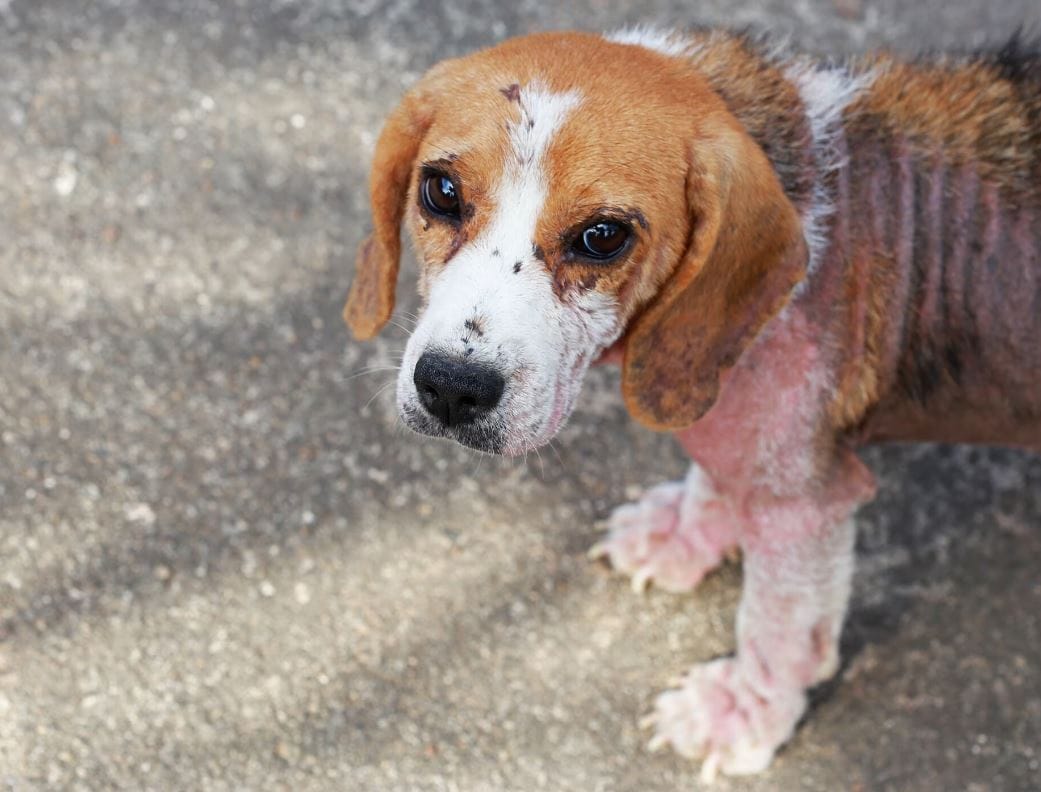
Mange is a distressing skin disease caused by parasitic mites that burrow into the skin or hair follicles of mammals. For pet owners and livestock producers facing an infestation, the instinct is often to reach for a powerful household disinfectant. Lysol is a common name in disinfection, but when it comes to parasitic infestations, its efficacy is limited. The short and definitive answer is no—Lysol is not a reliable or recommended solution for killing mange mites. This article explores the scientific evidence, practical applications, and safe alternatives for managing mange.
What is Mange and Why is it Difficult to Treat?
Mange is caused by microscopic mites from the Sarcoptes and Demodex genera, among others. Sarcoptic mange, often called scabies, is highly contagious and caused by mites that burrow into the skin . Demodectic mange is caused by mites that naturally live in hair follicles but can overpopulate in immunocompromised animals.
Effective treatment requires a multi-pronged approach:
- Medical Treatment of the Host: Veterinary-prescribed medications are essential.
- Environmental Decontamination: The environment must be cleaned to prevent re-infestation.
The Limitations of Lysol as a Miticide
The Primary Purpose of Lysol
Lysol is a broad-spectrum disinfectant designed to kill bacteria, fungi, and viruses on hard, non-porous surfaces . Its active ingredients are effective against a wide range of pathogens, including Staphylococcus aureus, E. coli, and SARS-CoV-2 . However, its mechanism of action is not specifically targeted at the biological structure of arthropods like mites. A common household disinfectant is not formulated to kill scabies or mange mites .
Historical Context vs. Current Standards
The claim that Lysol can kill mites is largely historical. A 1962 veterinary text mentions that cages and utensils should be sterilised with lysol or by other means , but this likely refers to general environmental hygiene rather than direct treatment for mite infestations. Furthermore, historical studies have shown fungicidal effects against various dermatophytes , but this does not translate to acaricidal (mite-killing) efficacy.
Why Lysol is Ineffective Against Mange
- No Miticidal Claims: Lysol’s EPA-registered labels do not list mites, scabies, or mange on their kill claims . The product is tested and proven against germs, not parasitic arachnids.
- Indirect Effect Only: While some medical professionals might consider wiping down hard surfaces with Lysol as a reasonable supportive measure for general hygiene , it is not a primary solution. One professional explicitly states that Lysol is not effective against scabies mites .
- Toxicity to Pets: Lysol is toxic to animals. The active ingredients, such as benzalkonium chloride, ethanol, and hydrogen peroxide, are poisonous to cats and dogs . Ingesting or even absorbing these chemicals through the skin can cause severe gastrointestinal, respiratory, and neurological disturbances . Never spray Lysol directly on an animal.
- Environmental Resistance: Mites can survive off the host for a limited time, but they are often protected in the environment by debris or organic matter, which reduces the efficacy of surface disinfectants .
Effective Strategies for Killing Mange Mites
Given that Lysol is inadequate for treating mange, it is crucial to use proven methods. The core strategy involves treating the animal and decontaminating the environment.
1. Veterinary-Approved Treatments for the Animal
Prescription Medications
A veterinarian will typically prescribe one of the following:
- Oral Medications: Drugs like moxidectin are highly effective. A study found that two injections of moxidectin (0.2 mg/kg) ten days apart resulted in a 100% reduction of mites in sheep .
- Topical Treatments: Products containing lindane or benzyl benzoate have been used historically . More modern treatments like selamectin (Revolution) or fluralaner (Bravecto) are also highly effective .
- Other Options: Ivermectin is another commonly prescribed antiparasitic for mange.
2. Environmental Decontamination: The Professional Approach
Environmental decontamination is vital for preventing re-infestation. The table below compares different strategies, contrasting Lysol with professional and natural alternatives.
3. The Role of Physical Removal
Physical cleaning plays a significant role in mite control:
- Vacuuming: Thoroughly vacuum carpets, rugs, and upholstery.
- Washing: Wash all bedding, towels, and clothing in hot water and dry on high heat for at least 30 minutes .
- Isolation: Seal items that cannot be washed in plastic bags for at least 7 days to ensure all mites die off .
Conclusion: Avoid Lysol, Rely on Professional Solutions
Lysol does not kill mange. Its active ingredients are designed for bacteria and viruses, not parasitic mites . While it might serve a minor role in general surface cleaning during a mange outbreak, it is not a primary treatment and poses significant health risks to pets .
For a mange infestation, professional veterinary intervention is non-negotiable. For environmental control, use proven methods:
- Wash fabrics in hot water .
- Steam clean furniture .
- Use EPA-registered veterinary disinfectants specifically formulated to kill mites in the environment .
- Consider natural alternatives like diluted clove or tea tree oil, but only under the guidance of a professional .
By following these evidence-based strategies, you can effectively eradicate mange from your animals and their environment, ensuring the health and safety of your household.