When to Trim Golden Mop Cypress: A Professional Guide to Timing and Technique
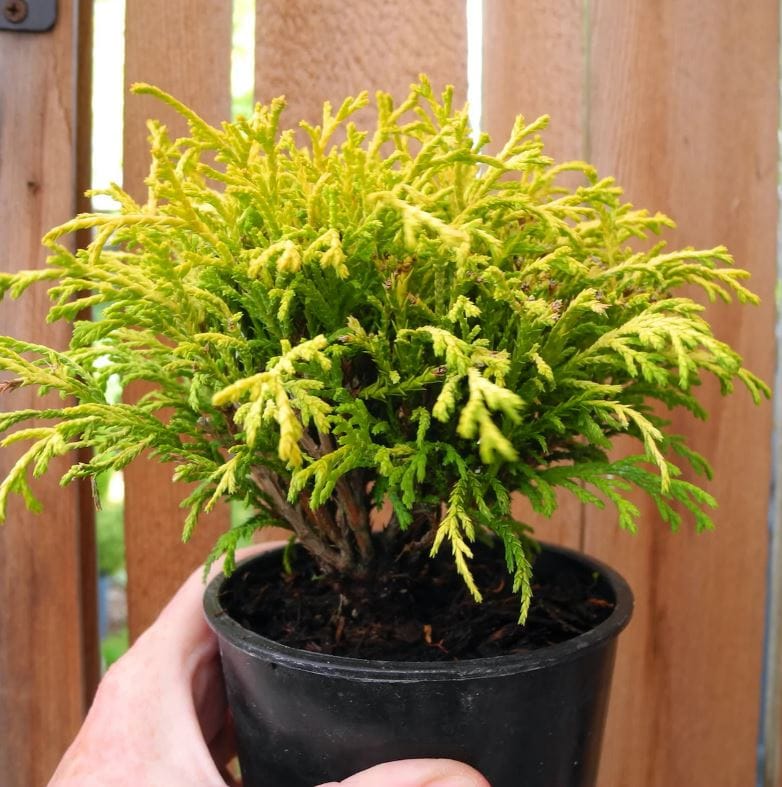
The Golden Mop Cypress (Chamaecyparis pisifera ‘Golden Mop’) is a prized needled evergreen prized for its vibrant golden-yellow, whip-like foliage and slow-growing, mounded form. While it is a low-maintenance plant that seldom requires pruning , strategic trimming is occasionally necessary to manage size, remove damage, or rejuvenate an overgrown specimen.
This guide provides a comprehensive, research-backed analysis of the optimal timing and methods for pruning this popular shrub. Understanding the “when” and “how” is crucial, as incorrect pruning can permanently damage the plant’s unique form.
The Golden Rule of Pruning Timing
The consensus among horticultural experts is clear: the ideal window for pruning Golden Mop Cypress is late winter to early spring, just before the onset of new growth . This period, typically mid-to-late March in many temperate regions, offers the best conditions for the plant’s recovery.
Why Late Winter/Early Spring is Optimal
- Minimized Stress: Pruning during dormancy reduces the shock to the plant. The shrub is not actively pushing new foliage, so energy is conserved for healing and subsequent spring growth .
- Rapid Healing: Cuts made just before the spring growth spurt heal quickly as new shoots emerge to cover the pruning wounds. This helps maintain the plant’s aesthetic appeal .
- Clear Visibility: With the absence of dense foliage, the plant’s branching structure is more visible, allowing for more precise cuts .
Seasons to Avoid
- Fall (Autumn): This is generally considered the worst time for major pruning. Cutting in the fall can stimulate new, tender growth that will be susceptible to winter frost damage . Furthermore, pruning in autumn leaves the plant with less foliage to protect itself from harsh winter winds and cold.
- Mid-Summer: While light trimming is possible, heavy pruning during the heat of summer can stress the plant and make it vulnerable to drought .
When Pruning is Necessary: Key Indicators
Before you begin, assess whether pruning is actually needed. As the Missouri Botanical Garden notes, pruning is rarely necessary for healthy specimens . Look for these clear signs:
Pruning Strategies for Different Scenarios
The approach to pruning varies significantly based on the goal.
1. Light Maintenance Shaping
For a well-behaved plant, a simple trim to maintain its shape is all that’s needed.
- Goal: Maintain the plant’s natural, mounding, “mop-like” character.
- Technique: Use sharp, clean pruning shears to cut back the tips of branches, taking off no more than one-third of the length at any given time . Focus on removing branches that stick out awkwardly from the main form .
- Warning: Avoid shearing the entire plant. This ruins the characteristic shaggy look of the Golden Mop and can take years to recover from .
2. Rejuvenation Pruning (For Overgrown Specimens)
If your Golden Mop has become a large hedge or has significantly outgrown its space (it can mature to over 10 feet tall and 6 feet wide), a more severe “rejuvenation” prune might be possible . However, it is important to understand the risks.
- Goal: Significantly reduce the size of a too-large shrub.
- Technique: This involves cutting back major branches to the interior of the plant, where there is still green growth. It is critical to never cut a branch back to bare, old wood that has no leaves or green growth . These areas lack the buds necessary to generate new shoots and will remain bare permanently.
- Caveat: The Cooperative Extension warns that this is a “maintenance task down the road” and the plant may not regrow successfully from a hard prune . If the inner branches are bare, the shrub may fail to push new growth.
Step-by-Step Pruning Guide
Following a structured approach ensures the best results .
- Assess the Plant: Before cutting, evaluate the overall shape and health of your Golden Mop. Identify dead, damaged, or crossing branches.
- Sanitize Your Tools: Wipe your pruning shears, loppers, and saw with rubbing alcohol. This prevents the spread of disease .
- Make the Right Cut: When trimming a branch, cut just above a set of leaves or a side branch that points in the direction you want new growth to go. Cut at a slight angle to prevent water from settling on the cut surface .
- Step Back and Evaluate: After each major cut, step back to see how the overall shape is progressing. This prevents over-pruning .
- Follow the One-Third Rule: As a general principle, never remove more than one-third of the plant’s total foliage in a single pruning session .
Post-Pruning Care
After pruning, provide appropriate care to support recovery.
- Watering: Ensure consistent moisture. Avoid letting the soil dry out completely, but do not overwater. Water deeply when the top few inches of soil feel dry .
- Fertilization: Apply a light dose of a balanced, slow-release fertilizer (e.g., 10-10-10) in the spring after pruning to encourage new growth .
- Monitor: Watch for signs of stress, such as wilting or browning. New growth is a positive indicator of recovery .
In conclusion, the Golden Mop Cypress is a forgiving plant if treated with respect. Its core care is simple, but when pruning, respect its slow growth and inability to regenerate from dead wood. Prune in the late winter to early spring, follow the one-third rule, and always cut back to areas where green growth is visible. By adhering to these professional guidelines, you can ensure your Golden Mop remains a stunning feature in your landscape for years to come.