How to Mop a Freezer Floor: A Comprehensive Technical Guide for Commercial and Domestic Environments
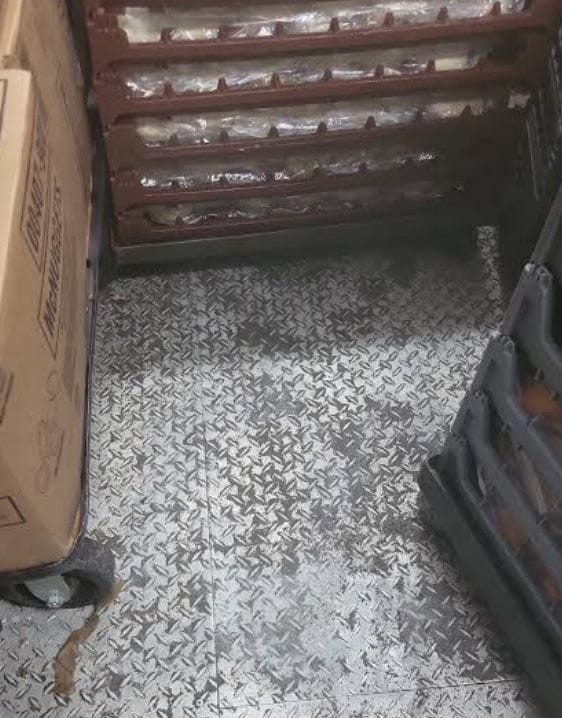
Maintaining a clean freezer floor is a critical, yet often overlooked, component of food safety, operational efficiency, and workplace safety. In commercial settings, the failure to maintain a clean and dry floor can lead to significant consequences, including health code violations, equipment damage, and severe slip-and-fall accidents. Data from the Occupational Safety and Health Administration (OSHA) reveals that citations for failing to maintain floors in a clean and dry condition are not uncommon, with penalties for such violations reaching into the thousands of dollars .
This guide provides a detailed, professional approach to mopping freezer floors effectively, covering preparation, chemical selection, equipment, and technique.
Step 1: Pre-Cleaning Preparation
Proper preparation is essential for an efficient cleaning process. Rushing this stage often results in wasted time and ineffective results.
Safety and Logistics
- Personal Protective Equipment (PPE): Don insulated gloves and wear slip-resistant, insulated footwear. The cold environment and wet surfaces pose risks of cold injury and slips .
- Power Down (If Possible): If operations permit, temporarily turn off the freezer or raise its temperature slightly. This reduces the risk of cleaning solutions freezing on contact and makes ice removal easier. If not possible, minimize water use and work efficiently .
- Clear the Area: Remove all products, boxes, and shelving from the floor. If food must be relocated, adhere to FDA/USDA cold chain guidelines—frozen food should not be left out for more than 2 hours .
Supply Checklist
Gather the following before you begin:
- Debris Removal: Stiff-bristled broom and dustpan, plastic scraper (avoid metal tools that can damage the floor) .
- Mopping Equipment: A mop with a wringer or a microfiber flat mop .
- Cleaning Chemicals: A specialized, low-temperature cleaning solution (see Section 2).
- Drying Tools: Absorbent towels or a dry mop for immediate moisture removal .
- Safety Signage: “Wet Floor” signs .
Step 2: Selecting the Right Mop and Cleaning Solution
The choice of tools and chemicals is pivotal in a freezer environment.
Mop Selection Criteria
Standard mops are unsuitable for sub-zero temperatures. The table below compares suitable options.
Cleaning Solutions: Avoiding the “Skating Rink” Effect
Never use standard soap and water. The freezing point of pure water is 32°F (0°C). In a sub-zero freezer, this water will freeze instantly, creating a dangerous ice rink .
You must use solutions designed to remain liquid at low temperatures. The following table compares common commercial options.
Step 3: The Mopping Procedure
Adhere to this sequence for a professional result.
- Dry Sweep and Scrape: Remove all loose debris and food particles with a broom. Use a plastic scraper to gently remove ice patches. Do not use metal tools as they can gouge the flooring .
- Apply Cleaning Solution: Dip the mop into your chosen cleaning solution and wring it out thoroughly. The mop should be damp, not wet. Excess water is the enemy of a safe freezer floor .
- Mop in Sections: Clean a small, manageable section of the floor at a time. Use overlapping, circular motions to lift grime . For larger walk-in freezers, consider using an auto-scrubber for efficiency .
- Immediate Drying: This is the most critical step. As soon as a section is mopped, use absorbent towels or a dry mop to remove all residual moisture . The goal is a floor that is clean and completely dry .
- Final Inspection and Restocking: Inspect the floor for missed spots or residual ice. Once dry, return products to their designated spots, using this opportunity to reorganize and follow the First In, First Out (FIFO) system .
Step 4: Maintenance and Best Practices
Proactive maintenance is simpler and safer than reactive crisis management.
- Spot Clean Spills Immediately: Address spills as soon as they occur to prevent them from freezing into hazardous ice patches .
- Establish a Regular Schedule: Sweep and spot-clean weekly. Perform a full, deep-clean mopping at least once a month .
- Manage Ice Build-up: Check freezer door seals regularly for wear. A faulty seal allows warm, humid air to enter, leading to ice accumulation on the floor .
- Use Floor Protection: Place non-slip mats or floor coverings near the entrance to minimize dirt and moisture tracked into the freezer .
Conclusion
Mopping a freezer floor is a specialized task that requires the right equipment, chemistry, and technique to avoid creating a hazardous environment. By adhering to a strict protocol of preparation, using low-temperature cleaning agents, and emphasizing immediate drying, you can ensure the safety of personnel, the longevity of your equipment, and compliance with health and safety standards .