How to Clean Cedar Shakes: A Technical Guide to Restoring Wood Siding
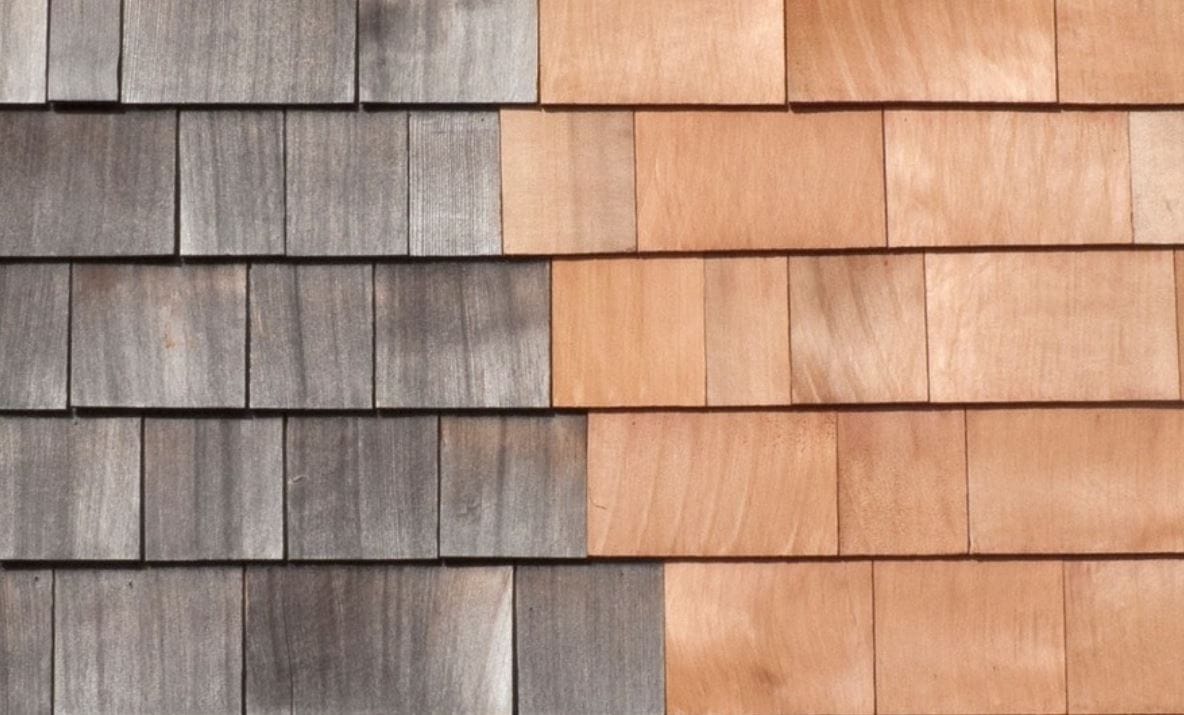
Cedar shakes offer unmatched natural beauty and durability, but their porous, textured surface makes them a magnet for mildew, algae, dirt, and oxidation. Improper cleaning—especially high-pressure washing—can ruin the wood fibers and void warranties.
This guide provides a data-driven approach to cleaning cedar shakes safely, comparing chemical and mechanical methods, and extending the life of your siding.
Why Cleaning Cedar Shakes Is Different from Other Siding
Unlike vinyl or fiber cement, cedar is hygroscopic (absorbs moisture) and soft on the Janka hardness scale (approximately 900 lbf for Western Red Cedar). Aggressive cleaning forces water deep into the cellular structure, leading to:
- Raised grain (furring) – Permanent roughening
- Cupping and splitting – Uneven drying stress
- Mold entrapment – Surface looks clean, but hyphae remain deep
Golden rule: Clean cedar with the lowest possible pressure and the correct chemistry.
Pre-Cleaning Assessment
Before applying any solution, evaluate:
| Condition | Recommended Action |
|---|---|
| Loose, cracked, or missing shakes | Replace before cleaning |
| Heavy gray oxidation (weathered lignin) | Requires oxalic acid brightener, not just cleaner |
| Green or black streaks (mildew/algae) | Sodium percarbonate or bleach alternative |
| Previous paint or stain flaking | Strip first; do not pressure wash |
Cleaning Methods Comparison Table
| Method | Pressure (PSI) | Chemical Required | Risk of Damage | Best For |
|---|---|---|---|---|
| Soft washing (low pressure + chemical) | 300–600 | Yes (alkaline or peroxide) | Very low | Routine maintenance, mildew |
| Pressure washing (fan tip) | 600–800 | Optional | Moderate | Dirt only, post-strip rinsing |
| Hand scrubbing + garden hose | 0 | Yes | None | Small areas, delicate shakes |
| Rotary nozzle pressure wash | 1,200+ | No | Extreme – Avoid | Never use on cedar |
Step-by-Step Cleaning Process (Soft-Wash Method)
This is the industry-recommended process for professional results.
Step 1: Protect Surroundings
- Cover shrubs with plastic sheeting.
- Wet all nearby plants thoroughly before and after chemical application.
- Tape off windows, electrical outlets, and trim.
Step 2: Apply an Alkaline Cleaner
Use a pump sprayer (not a pressure washer injector). Recommended mixtures:
- Sodium percarbonate (oxygen bleach): 1 cup per gallon of warm water – safest for cedar, kills mold.
- Sodium metasilicate: 4–6 oz per gallon – stronger degreaser, but rinse within 10 minutes.
- Do NOT use sodium hypochlorite (chlorine bleach) – it degrades lignin, turns cedar gray faster, and damages gutters.
Step 3: Dwell Time
Allow 10–15 minutes. Do not let solution dry on wood. Re-wet if necessary.
Step 4: Low-Pressure Rinse
- Use a pressure washer with a 40-degree white tip.
- Keep PSI under 600.
- Hold nozzle 18–24 inches from surface.
- Work from top to bottom, following the grain.
Step 5: Apply a Brightener (Oxalic Acid)
This step restores the natural honey tone after alkaline cleaning.
- Mix 4–6 oz oxalic acid powder per gallon of water.
- Spray evenly, dwell 5 minutes, rinse thoroughly.
- Critical: Neutralizes alkalinity and removes tannin stains.
Step 6: Accelerated Drying
Cedar should not stay wet longer than 48 hours. Use:
- Towel blotching for heavy saturation.
- Leaf blower on low to push water from gaps.
What Not to Do
- ❌ Do not use a 0° or 15° nozzle.
- ❌ Do not clean on humid or rainy days.
- ❌ Do not scrub with wire brushes.
- ❌ Do not mix bleach with ammonia (toxic gas).
- ❌ Do not clean unsealed cedar in direct summer sunlight (causes flash drying and streaks).
Post-Cleaning Care
After cleaning and drying (minimum 48 hours dry time), apply a penetrating oil or water-repellent preservative. Unsealed cedar will re-gray within 3–6 months.
| Coating Type | Longevity | Breathability | Reapplication |
|---|---|---|---|
| Penetrating oil stain | 2–4 years | High | Easy |
| Film-forming acrylic | 3–5 years | Low | Stripping required |
| Clear sealer (wax/oil blend) | 1–2 years | High | Very easy |
Professional vs. DIY: Decision Matrix
| Factor | DIY | Professional |
|---|---|---|
| Cost for 2,000 sq ft | $60–120 (chemicals + sprayer) | $400–900 |
| Time investment | 1–2 days | 3–4 hours |
| Equipment risk | Moderate (can over-pressurize) | Low (soft-wash rigs) |
| Warranties | None | Often 1–2 years on work |
Final Verdict
Clean cedar shakes every 24–36 months using the soft-wash method. Never exceed 600 PSI, always use an alkaline cleaner followed by an oxalic brightener, and seal within two weeks of cleaning. For multi-story homes or shakes with heavy biological growth, hire a contractor specializing in wood siding restoration—not a standard pressure-washing company.