How to Keep Your Bathroom Vanity Looking Its Best
There’s nothing nicer than a clean Bathroom Vanity — and nothing worse than an untouched one for the last few months. I’ve been there. Soap scum forms much quicker than you’d think, toothpaste dries hard like concrete on the edge of your basin, and hard water creates a clouding effect on the surface. It’s not just a matter of aesthetics either; grime can affect the surface in permanent ways that are difficult to reverse.
Fortunately, a small maintenance routine is all it takes to make a huge difference. The benchtop and basin area should be wiped over daily with a damp cloth — it takes just 45 seconds and avoids the build-up from ever establishing. A full clean once a week, covering the edges, the tap base, and the cabinet door fronts, will keep even the heaviest-use vanities in good working order.
Another consideration is ventilation — a poorly-ventilated bathroom retains more humidity than it should, and it doesn’t take too long for the moisture to damage the inside of the cabinet, especially if it is made from MDF (which isn’t waterproof). The National Construction Code specifies a minimum exhaust rate of 25 litres per second for windowless wet areas. If your fan can’t deliver that flow or is close to dead, the quickest upgrade you can make to ensure your vanity lasts for years to come is a stronger exhaust fan.
Choosing the Right Cleaning Products for Your Vanity Materials
The next most important step is to ensure you’re using cleaners that are suitable to your vanity materials.
Stone benchtops — marble, granite, or engineered stone — require a pH-neutral spray. Avoid using anything acidic as this will permanently etch the surface. Do not use bleach or vinegar. An occasional spray and wipe with a pH-neutral cleaner and a microfibre cloth is all you’ll ever need.
Laminate or glossy finishes don’t play nicely with abrasive scouring pads or paste cleaners — these will scratch and dull the surface over time. Stick to a soft cloth and mild detergent. Timber-veneer cabinets need an even gentler hand; there should be no moisture left on the surface, bleach is out of bounds, and definitely don’t use steam cleaners. Ceramic or porcelain gives you more leeway; a regular, slightly stronger bathroom spray is fine, but abrasive scourers can still leave scratches on polished finishes.
If you aren’t sure, use the mildest cleaner you can find.
Protecting Surfaces from Water Damage and Staining
There’s a whole lot more you need to protect your vanity against over the years: things like water and staining agents that slowly make their way into the surface.
Stone benchtops have to be sealed. It’s usually a good idea to reseal every six to twelve months depending on usage and the type of stone. Don’t put this one off until you find out the hard way — hair dye and nail polish remover can be quite corrosive to porous stone. A catch tray or mat under your toiletry bottles will help prevent stains before they happen.
A leaking tap is a surefire way of causing MDF vanities to swell, split, and delaminate. Fix a dripping tap promptly — the cabinet carcass made from MDF is not water-resistant. PVC-constructed vanities are considerably more forgiving of moisture than MDF.
Storage Organisation and Vanity Care
It’s time to tackle the cabinet storage inside. Leaving your vanity storage unorganised leads to wear and tear, broken drawers, and cabinet damage. Drawers that are overloaded or not properly supported when opened and closed put unnecessary wear on the slide mechanism, which will eventually cause the drawer slide to fail. Note that drawers shallower than 80mm offer limited divider options, so weight distribution becomes harder to manage. To extend the life of your vanity drawers, ensure you are not overloading them and consider using drawer organisers so weight is evenly distributed.
Wet items can damage the cabinets from the inside out. Damp towels, wet bottles, and dripping loofahs add moisture to what should be dry internal storage. Always dry items first before placing them inside vanity cabinets. Wipe the inside with a dry cloth once a month to stop moisture or mould accumulating along the base and corners.
When to Upgrade: Vanity Tops and Storage Solutions Worth Considering
No matter what maintenance you implement, at some stage your Bathroom Vanity will require replacement. If you are left with a vanity that is broken, scratched, stained, or warped beyond use, it is time to replace it.
If the benchtop is the only issue, you may only need to replace the bathroom vanity tops rather than the entire unit. Bathroom vanity tops are available in ceramic, engineered stone, or solid surface. Note that replacing a vanity top and connecting a basin to plumbing requires a licensed plumber.
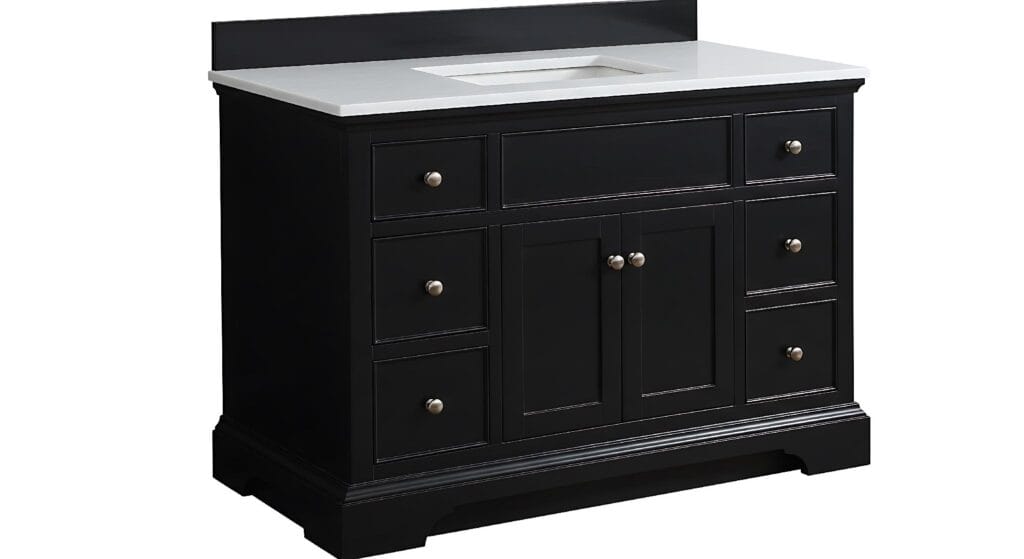
If storage is the primary concern, consider vanities with drawers. Vanities with drawers keep items accessible and visible, and are generally better suited to managing moisture than door-only configurations. Aulic offers a quality range of Australian-made plywood vanities featuring premium Häfele soft-close drawer hardware. CETO is another brand offering well-built drawer-format storage options, including wall-hung configurations.
All new vanities must be connected to your plumbing by a licensed plumber and are required to carry WaterMark certification.