Why Summer Is the Best Time to Walk Your Property Line
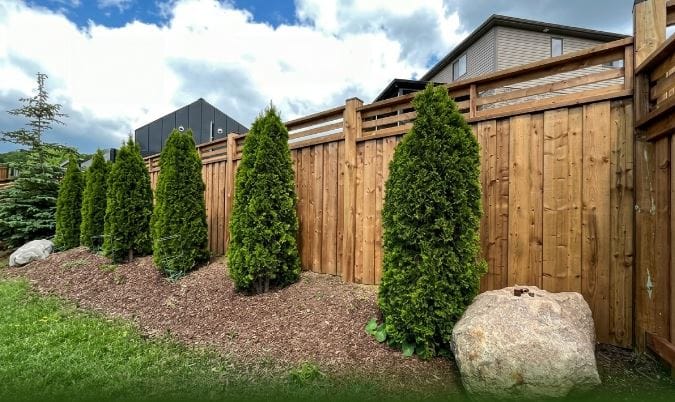
Summer usually means vacations, backyard barbecues, and long evenings outside — but it’s also genuinely one of the best times of year for homeowners to actually walk the edges of their property and take stock. By mid-summer, everything’s grown in fully, the ground is a lot easier to read, and outdoor features have already been through months of weather. All of that adds up to a much clearer picture of what’s actually going on around your property than you’d get in spring or winter.
A property-line check doesn’t need to be some big production. Just walking the perimeter of your land and paying attention to the fences, retaining walls, drainage, plants, and boundary markers can catch small issues well before they turn into expensive repairs — or an awkward conversation with a neighbor.
Summer Just Makes Everything Easier to See
The biggest advantage of doing this in summer really comes down to visibility. In spring, plants are still filling in. Winter often leaves yards bare in a different, less useful way. By mid-summer, grass, shrubs, vines, and tree branches have generally hit their full growth for the season.
And that growth tends to reveal things. A hedge might have crept across a boundary line without anyone noticing. Tree limbs might be pressing right up against a fence. Vines can work their way into gaps and joints you’d never spot otherwise. Overgrown vegetation also has a habit of hiding drainage channels, cracks in a retaining wall, or boundary markers that used to be easy to find.
Walking the line once everything’s fully grown gives a pretty honest picture of how the landscape’s actually interacting with your structures — and your neighbor’s property too.
Give Your Fences a Real Look
Fences are one of those things that get overlooked until something’s obviously wrong. During a summer walk-through, it’s worth actually checking posts, panels, gates, and connection points for signs of wear.
Look for leaning posts, sections that have come loose, broken boards, rusted hardware, or spots where the ground’s shifted around a post. Wood fences deserve a closer check for rot, discoloration, and insect damage. Chain-link tends to rust or loosen at the joints, and vinyl fencing can crack or shift out of place over time.
Vegetation matters here too — fast-growing plants push against fencing or tangle around posts and gates if left alone. Cutting things back where needed keeps the fence visible and easy to actually inspect going forward.
Catching a small problem early is almost always simpler — and cheaper — than waiting until a whole section needs replacing.
Check the Retaining Walls and Any Sloped Ground
Retaining walls deserve real attention, since they’re doing constant work managing soil and water pressure. Summer tends to make movement in a wall a lot more visible than it would be otherwise.
Look for cracks, bulging, leaning, blocks that have shifted, or gaps opening up between sections. It’s also worth checking the ground above and below the wall — unusual dips, exposed roots, or soil piling up in spots that shouldn’t have it can all point to drainage or erosion issues brewing underneath.
Heavy summer rain tends to make drainage problems especially obvious. If water keeps pooling near a retaining wall, or flowing toward a neighbor’s yard, it’s worth figuring out why before it becomes a bigger issue.
Not every crack means a wall is failing — but any real change in how it looks is worth documenting and keeping an eye on over time.
Pay Close Attention to Drainage
How water moves across a property is a genuinely important part of any boundary inspection. Bad drainage can chip away at landscaping, foundations, fences, retaining walls, and even a neighbor’s yard.
If you can, walk the perimeter right after it rains. Notice where water naturally flows, where it collects, and whether soil’s been washed away anywhere. Check gutters and downspouts too, to make sure they’re actually directing water where it’s supposed to go instead of dumping it all along a boundary line.
Also worth checking: swales, drainage channels, culverts, and anything else specifically designed to move water away from structures.
Catching drainage problems early makes it a lot easier to fix things before repeated moisture turns into real erosion or structural damage.
Keep an Eye Out for Vegetation Creeping Over the Line
Summer growth can quietly blur where a property boundary actually is. Branches, roots, vines, and shrubs have a way of extending well past where they were originally planted.
Vegetation crossing a boundary isn’t automatically a problem — but it can become one if it starts damaging structures, blocking access, messing with drainage, or creating friction with a neighbor. A routine summer check gives homeowners a chance to spot this stuff early, while it’s still an easy fix.
If a tree or a big plant looks like it’s growing across the property line, it’s worth not jumping to conclusions about who owns it or who’s responsible for dealing with it. Property surveys, local rules, and any existing agreements with neighbors can all factor into that.
Confirm the Boundary Markers Are Actually There
Property markers have a way of disappearing over time — grass, mulch, landscaping, shifting soil, or new plant growth can all bury stakes, pins, or whatever’s marking a boundary.
During a summer walk, it’s worth looking for visible markers without actually disturbing them. If a marker seems to have vanished, or its exact location isn’t clear, it’s better not to guess based purely on a fence line or existing landscaping. A fence doesn’t necessarily sit exactly on the legal boundary — that’s a really common misconception.
When the exact boundary genuinely matters, calling in a qualified land surveyor beats eyeballing it every time. Keeping records of past surveys and property documents also makes any future questions a lot easier to resolve.
Regular Inspections Head Off a Lot of Neighbor Disputes
A lot of disputes between neighbors start as small, ignored issues. A branch crosses a line. A fence shifts a bit each year. Water starts flowing somewhere it shouldn’t. Left unnoticed, these things tend to get harder to resolve the longer they sit.
Regular inspections give homeowners a natural reason to notice changes and bring them up with a neighbor before misunderstandings have time to build. Taking dated photos along the way also creates a useful record of how things have looked over time.
The goal isn’t to treat every little difference like a conflict waiting to happen. It’s just to actually understand what’s going on with the property and deal with practical concerns while they’re still small.
Clean Up the Hardscape Once the Inspection’s Done
After walking the property, a lot of homeowners notice their fences, patios, walkways, and retaining walls have picked up dirt, algae, mud, and general weather staining over time.
Pressure washing is a good way to freshen these surfaces up once the structural and maintenance side of things has already been checked. For homeowners looking into pressure washing in Youngstown, OH, this kind of cleaning can genuinely improve how outdoor surfaces look once everything else has been sorted out.
Cleaning should come after the inspection, not instead of it, though. Pressure washing can’t fix structural movement, drainage failures, damaged posts, or boundary issues — those need to be properly evaluated and repaired first, with cosmetic cleaning as the last step, not a substitute for the real work.
Make Walking the Line a Yearly Summer Habit
Walking the property line in summer is worth turning into a simple annual routine. Set aside a bit of time to check the fences, retaining walls, drainage paths, vegetation, and boundary markers. Take photos of anything that looks different from previous years, and jot down notes on repairs or changes.
A property doesn’t need obvious damage for this to be worth doing. Just paying regular attention helps homeowners understand how their land changes across the seasons, and it gives them a real shot at catching small issues before they turn into expensive ones.
Mid-summer offers about the clearest view you’ll get all year — plants are fully grown in, outdoor structures are easy to reach, and months of weather have already left their mark. A few hours spent walking the boundary can genuinely tell you a lot about your property’s condition, and it goes a long way toward keeping things friendly with the neighbors too.