How to Build an Effective, Low-Dust Cleaning Routine for Every Room
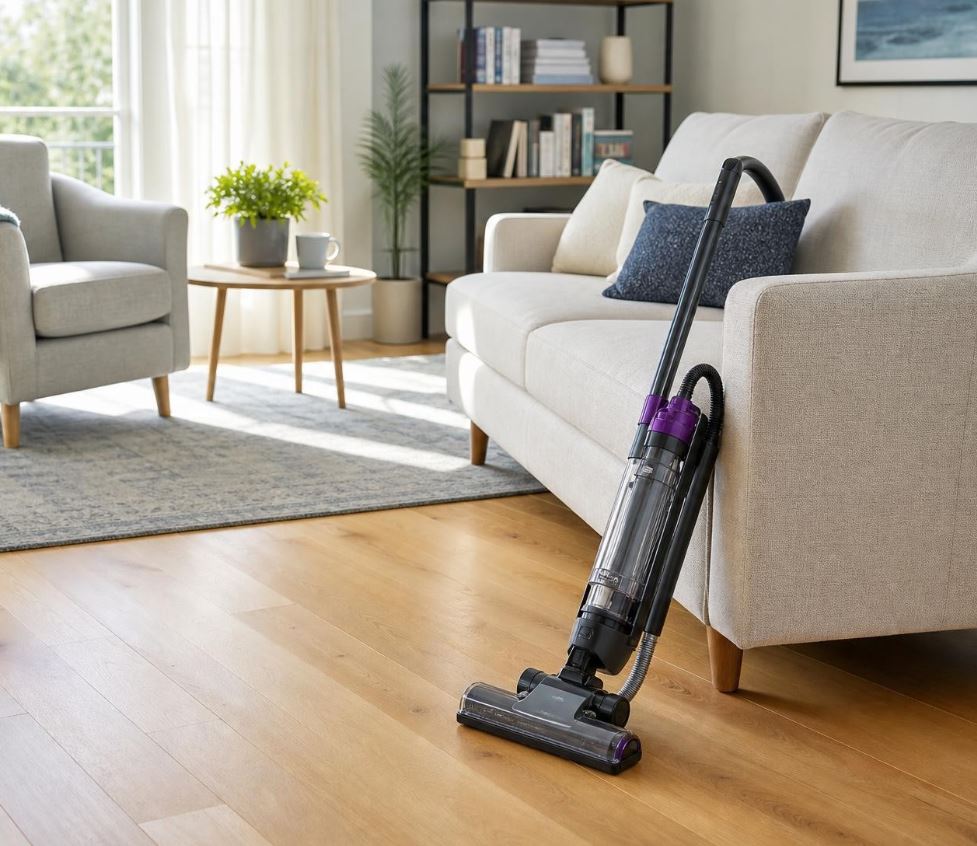
Keeping a home clean isn’t really about cleaning more often—it’s about matching the right method to the right surface and soil type. A carpet, a sealed hardwood floor, and a sofa cushion simply don’t respond the same way to the same tools or techniques, and treating them as if they do usually wastes effort while leaving dust and allergens behind. The EPA notes that regular cleaning and proper ventilation can help reduce indoor dust and biological contaminants, which is a good reminder that a thoughtful routine tends to beat an aggressive one. For households juggling both dry debris and the occasional spill, a wet & dry vacuum can handle a wider range of messes with a single device, while a robot vacuum can help keep floors in check between deeper cleaning sessions. Neither tool replaces a complete routine on its own, but knowing where each one fits makes it easier to build a system based on your household’s actual needs rather than guesswork. This article focuses on designing that system: prioritizing problems, matching methods to materials, and maintaining equipment so your cleaning efforts hold up over time.
Understand What Makes a Cleaning Routine Effective
A good routine does several things at once: it removes visible dirt, keeps dust and allergen buildup in check, stops spills from turning into stubborn stains, and protects both surfaces and indoor air quality. It also helps to draw a line between cleaning, which physically removes dirt and debris, and disinfecting, which targets microorganisms under specific product conditions—the two aren’t interchangeable. And it’s worth noting that vacuuming alone doesn’t wipe out every allergen; dust mites and their waste can linger deep within carpets, mattresses, upholstery, and cushions even after you’ve vacuumed regularly. That’s precisely why no single cleaning method can perform equally well across carpets, hard floors, rugs, and delicate fabrics—each material tolerates moisture, friction, and chemical exposure differently.
Identify the Main Sources of Dirt and Indoor Dust
Household dust and grime build up from all sorts of sources: soil tracked in from outside, pet hair and dander, cooking residue, seasonal pollen, textile fibers, skin cells, and the everyday crumbs or spills that come with daily life. Foot traffic then does the rest, carrying these particles from entryways deeper into living spaces. Interestingly, sweeping and vacuuming can temporarily stir up settled dust rather than eliminate it outright, which is part of why the EPA recommends consistent cleaning, damp dusting, and frequent vacuuming of carpets and furniture over occasional deep cleans. Picture three different households: one with pets shedding hair across the upholstery, a small apartment where dust concentrates quickly in a tight space, and a home with young children generating frequent floor spills. Each situation calls for a different balance of attention, even though the underlying principles stay the same.
Match the Cleaning Method to the Surface
Carpets and rugs respond well to regular vacuuming, which lifts both loose debris and embedded particles—though suction settings, brush rolls, and slower passes all make a noticeable difference in results. Always check care instructions before introducing moisture or cleaning solutions. People with asthma or allergies may also benefit from stepping out of a room while it’s being vacuumed, since the process can temporarily increase airborne particles.
Hard floors generally need loose debris cleared away before any damp cleaning begins. Too much water can warp wood, laminate, or poorly sealed surfaces, so stick to products suited to the specific flooring material and save deep cleaning for occasional use rather than every session.
Upholstery and soft furnishings—think sofas, cushions, curtains, and mattresses—tend to hold onto dust and allergens that routine floor cleaning never reaches. Test any new cleaning method on a hidden area first, and always defer to the manufacturer’s label over general advice.
Kitchens, entryways, and other high-traffic areas accumulate grease, moisture, and tracked-in debris faster than most other spaces. Placing mats at entry points and dealing with spills right away can cut down on how often the rest of the home needs intensive attention.
Build a Practical Cleaning Schedule
Daily or as needed: handle spills, clear entryway debris, and air out rooms.
Weekly: vacuum carpets and furniture, damp-dust hard surfaces, wipe down frequently touched areas, and wash bedding.
Occasionally: clean under furniture and appliances, wash curtains or removable covers, check filters and attachments, and reassess the routine as life circumstances shift.
Key takeaway: Consistency and good technique usually matter more than trying to deep-clean every surface at once.
Choose Equipment by Function, Not Branding
Start with the cleaning problem you’re actually trying to solve, not the product category. Useful points of comparison include filtration efficiency, sealed construction, how easy a unit is to empty, noise level, corded versus cordless operation, attachment options, maintenance needs, and whether it’s built for wet or dry materials. A HEPA filter can help limit dust escaping back into the room, but filtration only does its job properly alongside solid seals and thoughtful emptying design. Always confirm whether a device is rated for liquid pickup before running it over anything wet. And when comparing options, lean on verified specifications, user manuals, and relevant certifications rather than vague marketing claims.
Use Safer and More Hygienic Cleaning Techniques
Skip dry dusting on surfaces where it just redistributes particles instead of removing them—a slightly damp cloth usually does a better job. Keep sensitive individuals away from vacuuming areas when you can, and ventilate rooms while cleaning. Follow disinfectant labels precisely when it comes to dilution, contact time, and surface compatibility, and never mix cleaning chemicals unless the instructions explicitly say it’s safe. Empty dust containers carefully and keep up with filter maintenance as directed. Use whatever method is safe for both the surface and the equipment.
Common Mistakes That Reduce Cleaning Results
Some of the most common pitfalls include rushing over heavily soiled areas, using too much water on sensitive flooring, neglecting filters and brush rolls, assuming a surface looks clean means the allergens are gone too, using one product for every job, ignoring upholstery and mattresses altogether, emptying containers without thinking about airborne dust, and leaning entirely on automated cleaning while skipping corners, stairs, and furniture.
Apply the Routine to Real Household Scenarios
Pet owners should put extra focus on upholstery and entryways. Allergy-sensitive households are better served by sealed, high-filtration equipment and reduced exposure during vacuuming, since leaking equipment can actually increase airborne allergen exposure. Small apartments do well with compact, repeatable routines, while homes with children need quick attention to spills and frequently touched surfaces. And wherever flooring types are mixed, each material calls for its own approach.
Establish a Maintenance and Review System
Make a habit of checking filters, brush rolls, floor heads, dust containers, seals, hoses, and battery or cable condition. Neglected maintenance has a way of quietly chipping away at performance and letting dust escape where it shouldn’t. Keep manuals within reach, and revisit your routine after any major change—a new pet, a renovation, new flooring—that shifts what your home actually needs.
Final Takeaways for a More Sustainable Routine
Match the method to the material, clear loose debris before damp cleaning, stay consistent rather than leaning on occasional deep sessions, and don’t lose sight of filtration and maintenance along the way. Identify your three highest-priority cleaning problems and build a short, repeatable routine around them. An effective cleaning routine, in the end, is simply the one that fits your home, protects its surfaces, and that you can actually stick to.