How To Determine If You’re Ready For A Mortgage
Many people dream about owning their own house one day. It marks a big step into adulthood and financial freedom. This goal feels reachable when you have a clear plan in place.
Buying a property requires careful planning and a deep look at your bank account. You should know if you can afford the monthly payments before starting the search. Understanding your limits makes the whole journey much smoother.
Your Financial Stability Matters
Checking your savings is the first move in the home-buying process. You want to see a consistent pattern of putting money aside every month. Having a cash cushion helps you handle the unexpected costs of living in a new space.
You might feel unsure about your budget. Since a home loan specialist can help you figure out how much a bank might lend you, booking a meeting is a smart move. This professional advice allows you to set a realistic budget for your future home.
Lenders like to see that you have a stable job history for several years. Keeping the same employer for over a year helps your case when applying. It shows you have a reliable stream of money to cover your mortgage.
Measuring Your Income Limits
Banks use your annual earnings to decide the maximum amount they will offer for a house. This calculation keeps you from taking on more debt than you can handle later. They want to see that you can live comfortably while paying off the loan.
A recent guide suggested that lenders usually look to offer 4 to 5 times your yearly salary. This figure helps set the ceiling for your property search in a competitive market. Knowing this number prevents you from falling in love with a home you cannot afford.
Different lenders have unique rules for how they view overtime or bonus pay. You should ask about these details to get an accurate number for your specific situation. Small differences in how pay is counted can change your borrowing power by thousands of dollars.
Debt-to-Income Ratios
Your existing monthly bills play a huge role in your readiness for a mortgage. This includes car payments, credit cards, or student loans that you pay off regularly. Lenders look at how much of your paycheck goes to these other debts.
One financial resource mentioned that keeping your total debt ratio below 45% is seen as very favorable. It proves you can manage extra debt without falling behind on your payments. A lower ratio gives the bank more confidence in your ability to borrow.
Lowering your current debts before you apply can boost your chances of approval. Paying off small loans might give you more breathing room in your monthly budget. Every dollar you clear from your monthly bills increases the amount you can put toward a home.
Modern Property Considerations
Home buyers today look for more than just a nice kitchen or a big backyard. They want to know the long-term costs of living in the space before they sign any papers. Smart buyers look at the efficiency of the building.
Industry experts recently pointed out that energy efficiency has become a top priority for many buyers. Saving on utility bills makes a home much more affordable over the years. High energy costs can eat into your mortgage budget if you are not careful.
You should check these features when touring houses – they can save you plenty of cash:
- Solar panel installations
- Modern insulation levels
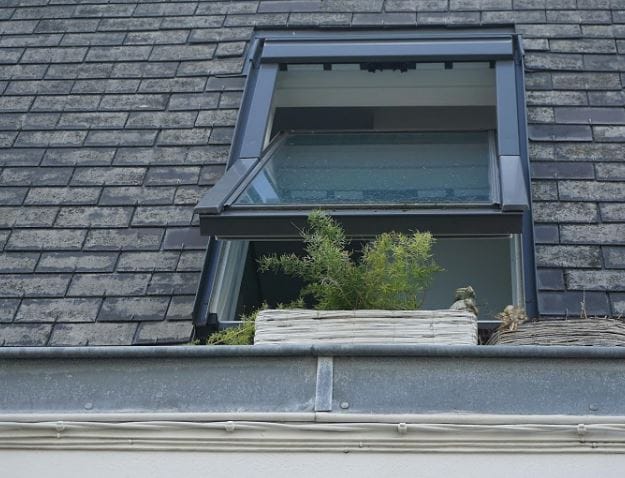
- Energy-efficient windows
- Smart heating systems
Deposit Options For New Buyers
Saving for a full 20% deposit can feel like a mountain to climb for many people. New programs exist to help buyers get into the market much faster than before. You do not always need a massive pile of cash to get started.
One blog explained that eligible buyers can now secure a mortgage with a deposit as low as 5%. This change makes home ownership reachable for many young families who are currently renting. It allows you to start building equity in your own home sooner.
A major bank noted that specific government schemes for low deposits will see updates soon. Staying informed about these dates helps you time your purchase correctly for the best benefit. You should keep an eye on these rules as they shift with the housing market.
Avoiding Hidden Extra Costs
Buying a home comes with many fees that sit outside the actual purchase price. You need to save extra cash for legal work, inspections, and government taxes. These costs can add up to thousands of dollars very quickly.
A guide for first-time buyers mentioned that those with less than a 20% deposit often pay for Lenders Mortgage Insurance. This insurance protects the bank if you cannot make your payments for any reason. It is a cost you must plan for if your deposit is on the smaller side.
Factoring these costs into your initial plan prevents surprises during the final stages of the sale. It is better to have a small buffer of cash for these extra expenses. Being prepared means you can focus on the excitement of moving into your new place.
Navigating The Application Journey
The paperwork for a mortgage can be quite detailed for many applicants these days. You will need to gather bank statements and proof of identity for the bank to review. Having these files ready ahead of time speeds up the whole process.
Self-employed workers might need to provide extra tax returns to show their income history, according to one recent article. This documentation proves your business is doing well over a long period. It gives the lender the proof they need to trust your financial health.
A lender survey found that the average loan process takes between 30 and 45 days. Understanding this timeline helps you plan your move without feeling rushed or stressed out. You can coordinate your move-out date with your new move-in date more effectively.
Owning a home is a journey that starts with a single step of checking your finances. Preparing your documents and saving your deposit puts you in a strong position for success. You will feel more confident as you walk through open houses.
Take your time to research different options and speak with experts about your goals. Building a solid foundation now will lead to a happy life in your new property. Your future self will thank you for the hard work you put in today.