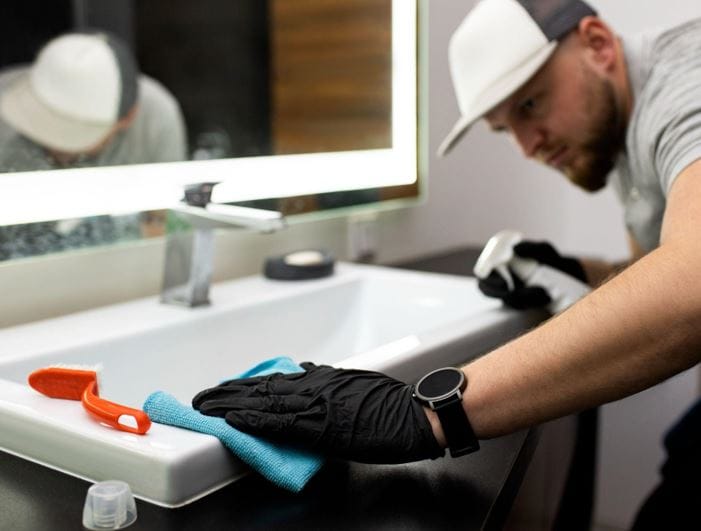
Creating a Cleaner, More Comfortable Home With Better Habits
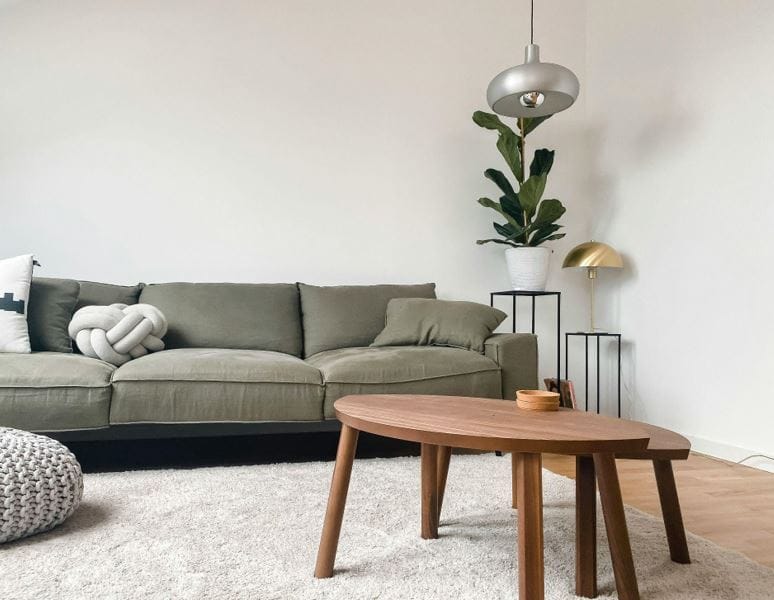
A clean and comfortable home is rarely the result of occasional deep cleaning, it comes from consistent, everyday habits that prevent mess, improve air quality, and create a more relaxing environment. Small actions, repeated regularly, shape how a space feels and functions over time. Instead of relying on effort-heavy routines, the most effective approach is building simple systems that maintain order without constant stress.
Modern lifestyle research increasingly shows that the home environment directly affects mood, stress levels, and overall well-being. By focusing on manageable habits and thoughtful upgrades, it becomes easier to create a space that feels consistently fresh, organized, and comfortable.
Building Daily Habits That Prevent Clutter
Clean homes are maintained through prevention rather than reaction. When small tasks are handled daily, clutter and dirt don’t have the chance to accumulate.
Simple routines, such as putting items back in place, wiping surfaces after use, or organizing high-traffic areas, create a steady baseline of cleanliness. Over time, these actions become automatic, reducing the need for large, time-consuming cleaning sessions.
Consistency is key. Even a few minutes of daily upkeep can significantly improve how a home feels and functions.
Improving Air Quality Through Clean Environments
Air quality plays a major role in comfort, especially in indoor spaces where dust, moisture, and odors can build up. Keeping surfaces clean and well-ventilated helps maintain fresher air and a healthier environment.
Regular cleaning prevents the buildup of particles that can affect breathing and overall comfort. In addition, proper ventilation, such as opening windows or allowing airflow after cleaning, helps remove lingering moisture and odors.
Clean air contributes to both physical comfort and mental clarity, making it an essential part of a well-maintained home.
Creating a Routine Around Hygiene and Maintenance
A structured cleaning routine helps ensure that important tasks are not overlooked. Instead of waiting for visible mess, scheduling regular maintenance keeps everything under control.
This includes weekly tasks such as dusting and vacuuming, as well as periodic deeper cleaning for areas that are less frequently used. For specialized spaces, consistency is especially important. For example, environments involving heat and moisture require routine care to maintain hygiene and comfort.
In setups that include wellness features like Premium Saunas, consistent upkeep plays a crucial role. Regular cleaning, ventilation, and surface maintenance prevent moisture buildup and ensure a hygienic environment over time.
Designing Spaces That Are Easy to Maintain
A well-designed space is easier to keep clean. Layout, storage, and accessibility all influence how manageable daily maintenance becomes.
Organizing frequently used items within easy reach reduces clutter and simplifies routines. Clear surfaces and designated storage areas make it easier to maintain order without additional effort.
Designing with maintenance in mind ensures that cleaning becomes part of the environment, rather than a separate task.
Reducing Odors Through Consistent Care
Photo by Sven Brandsma on Unsplash
Odors often develop when cleaning routines are inconsistent. Fabrics, surfaces, and enclosed spaces can absorb smells over time, affecting the overall atmosphere of a home.
Addressing odors early, through regular washing, ventilation, and surface cleaning, prevents them from becoming embedded. Consistent care ensures that spaces remain fresh without relying on temporary solutions.
A clean environment naturally smells better, reducing the need for artificial fragrances.
Using Routine to Support Comfort and Relaxation
Comfort is closely tied to how organized and clean a home feels. When spaces are well-maintained, they become more inviting and easier to relax in.
Routine plays a major role in this. Knowing that your environment is consistently clean reduces stress and allows you to focus on rest and daily activities.
Incorporating small rituals, such as tidying up at the end of the day or maintaining a calm space, reinforces this sense of comfort.
Keeping Cleaning Simple and Sustainable
One of the biggest challenges in maintaining a clean home is overcomplicating the process. Complex systems are difficult to maintain and often lead to inconsistency.
Simple, repeatable habits are more effective. Focusing on what can realistically be done every day ensures that routines are sustainable.
Over time, these habits require less effort and become part of daily life, making cleanliness easier to maintain without additional stress.
Building Long-Term Comfort Through Consistency
A clean and comfortable home is the result of long-term habits rather than short-term effort. By focusing on consistency, organization, and routine, it becomes possible to maintain a space that supports both well-being and daily living.
Research highlights that regular routines, especially those involving cleaning and wellness practices, help maintain both hygiene and relaxation over time.
When these habits are applied consistently, they create an environment that feels stable, comfortable, and easy to maintain, turning everyday living into a more balanced and enjoyable experience.