Pet Adoption and the Positive Impact on Communities
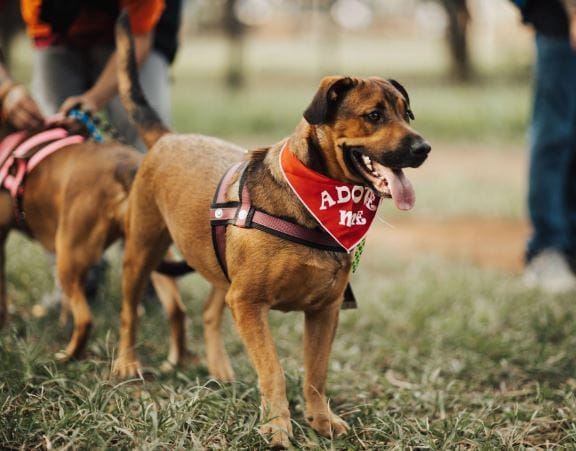
Bringing a rescue animal into your home changes your daily life completely. It brings immense joy to your household and impacts the surrounding area in surprising ways. A simple choice helps create a friendly environment for everyone nearby.
Neighborhoods thrive when residents choose to rescue animals instead of purchasing them. The compassionate choice creates a chain reaction of kindness that strengthens local connections. A shared love for animals builds bridges between different groups of people.
Local Shelters and Community Bonds
Local animal shelters do incredible work to bring people together. They rely on local help to keep their doors open for pets in need. A common goal gives residents a sense of purpose and pride.
Rescue centers create strong networks of passionate animal lovers who work together daily. Many families discover the advantages of pet adoption when they visit a neighborhood rescue center to find a new companion. These facilities act as community hubs where volunteers and donors connect over a shared love for animals.
People who support these centers often form lifelong friendships with fellow volunteers. Working toward a common goal builds trust among neighbors who might never meet otherwise. These relationships make the entire neighborhood feel tighter and safer.
Financial Benefits for Towns
Managing stray animal populations costs local governments a significant amount of money each year. When residents adopt shelter pets, they reduce the financial strain on city budgets. Saved tax dollars can go toward other neighborhood improvement projects.
Communities see several clear financial perks when adoption rates go up. Local leaders can allocate funds to schools and parks instead of animal control services.
- Lower animal control costs for the city.
- Higher sales for local pet supply shops.
- Increased licensing revenue for local towns.
Local businesses benefit when new owners buy supplies like food and crates nearby. The steady spending keeps money within the town economy and supports local jobs. A thriving pet economy creates a stable environment for new shop owners.
Better Neighborhood Social Interactions
Walking a dog through the neighborhood makes you far more approachable to people living nearby. It breaks down social barriers and starts conversations between strangers easily. People love to stop and ask about a cute animal on the sidewalk.
A survey conducted by an Australian university shows that pet owners are 60 percent more likely to meet people in their neighborhoods. These casual interactions often lead to deeper community connections. Neighbors begin to recognize each other and look out for one another.
Shy individuals find it much easier to chat when a friendly dog is present. Animals act as natural icebreakers on sidewalks, pathways, and in local parks. Increased interaction reduces feelings of isolation among residents.
Reducing the Number of Homeless Animals
Thousands of animals enter the shelter system daily without a clear path to a permanent home. Choosing rescue helps empty cages and gives these animals a second chance at life. It helps resolve a major issue that impacts many municipal areas.
An online insurance research platform stated that roughly 6.5 million animals enter shelters each year, but only 3.2 million are adopted. The large gap shows how much work remains for local communities to handle. Public education can help close the gap.
Raising awareness about these numbers encourages more people to explore rescue options. Every single adoption helps chip away at those large numbers and relieves pressure on facility workers. Your choice to rescue directly saves a life.
Improving National Savings Rates
Shelter systems across the country are constantly evolving to save more animal lives. Community involvement remains the most critical factor in achieving these milestones each year. Dedicated citizens make a massive difference through direct action.
A report from a national animal welfare organization noted that the national save rate for dogs and cats was 82.5%, an increase of almost 12 percentage points compared to 2016. The steady progress highlights the power of public support. Consistent volunteering keeps these numbers moving in the right direction.
Towns that prioritize rescue see their local numbers mirror these positive national trends. Working together yields measurable success for animal safety across the board. Every town can achieve high savings rates with enough dedication.
Health and Well-Being Benefits
Healthy citizens make for a stronger and happier neighborhood. Having an animal nearby encourages a much more active lifestyle for people of all ages. Regular physical activity reduces health care burdens on local systems.
Regular walks keep people moving and improve physical fitness metrics significantly. Owners experience excellent perks after bringing a rescue animal home.
- Lower daily stress levels.
- More time spent outdoors.
- Better cardiovascular health.
Neighbors who feel good physically are more likely to participate in local events. A healthy population supports a thriving town environment for families to grow. Active communities attract new residents and positive development.
Teaching Responsibility to Younger Generations
Children learn excellent life lessons when their families choose to rescue an animal. Caring for a living creature instills deep empathy from a very young age. Daily routine teaches kids about the value of commitment.
Kids see firsthand how proper care changes an animal’s disposition and health. They learn to feed, walk, and groom their companions on a regular schedule. These tasks build strong organizational habits that help them in school.
These lessons stick with children as they grow into young adults. Responsible kids become thoughtful citizens who care about the well-being of their entire town. They understand the importance of looking out for vulnerable creatures.
Creating Support Networks for Owners
Dog parks and training classes form the foundation for strong peer networks. Group settings let owners share advice on training, nutrition, and local veterinary care. These conversations build a sense of community among diverse residents.
People often set up casual walking groups to keep their dogs active together. These meetups build a safety net where neighbors look out for one another and their property. A connected neighborhood is naturally safer for everyone.
Having a supportive group makes the challenges of pet ownership much easier to manage. Strong networks make the entire neighborhood feel more cohesive and welcoming. New residents find it easy to integrate into these friendly circles.
Encouraging Kindness and Empathy
A community that values rescue animals demonstrates high levels of collective compassion. Seeing neighbors care for shelter pets inspires others to act kindly in their daily lives. A shared mindset shifts the cultural fabric of a town.
Kindness toward animals often translates into better relationships among human residents. People become more patient and understanding with one another after learning to care for rescues. The shift creates a peaceful environment for everyone.
Small acts of compassion add up to create a truly wonderful place to live. Choosing adoption is a simple way to express these positive values every day. The entire town reaps the rewards of the caring approach.
Pet adoption brings incredible advantages to neighborhoods by connecting people and saving lives. The positive ripple effects extend far beyond individual households into the entire town economy.
Supporting local rescue efforts helps build a safer, healthier, and more compassionate community for everyone. Choosing rescue is an investment in the future of your neighborhood.