Why Install HVLS Fans for Warehouse Storage
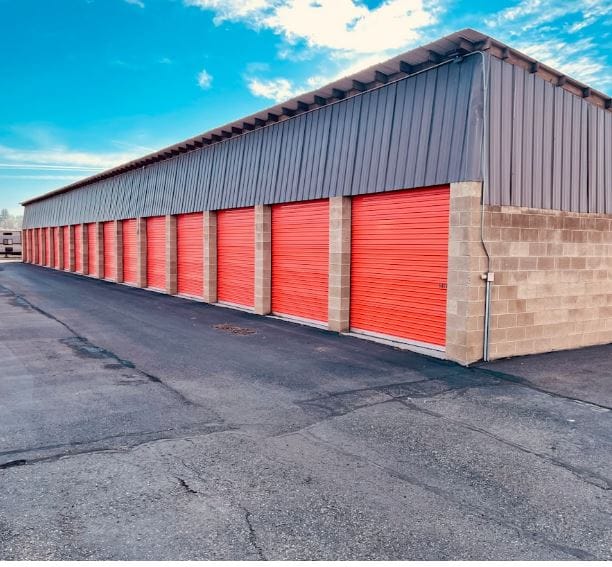
Warehouse storage facilities face constant challenges with temperature consistency, employee comfort, and product protection. Stagnant air allows heat to collect near ceilings while cooler air settles near floors where workers and inventory remain.
Hvls fans for warehouse airflow solve this problem by moving large volumes of air slowly and evenly across open spaces. A single fan can circulate air throughout thousands of square feet without creating disruptive drafts. This article provides warehouse operators with six practical reasons to install HVLS fans in storage environments.
Rapid Sweat Prevention Protocols
Employees working in stagnant warehouse conditions experience excessive perspiration that leads to discomfort and reduced productivity. Large-diameter fans create continuous air circulation that accelerates evaporative cooling on skin surfaces without lowering room temperature. Heat distribution improves as moving air breaks up thermal layers and eliminates the oppressive feeling common in enclosed storage facilities.
Direct Inventory Moisture Reduction
Humidity accumulates around stored products when air remains still for extended periods inside warehouse storage areas. Consistent airflow from HVLS fans helps control moisture buildup on cardboard boxes, wooden pallets, and paper-based packaging materials. Inventory protection improves as moving air prevents condensation from forming on temperature-sensitive goods stored near exterior walls.
Constant Thermal Stratification Controls
Thermal stratification occurs when warm air rises to ceiling level while cooler air stays near the floor, creating temperature differences of ten degrees or more. HVLS fans break this stratification by pushing trapped warm air downward and mixing it with cooler floor-level air continuously.
Temperature balancing eliminates hot ceilings and cold floors, creating consistent conditions from the warehouse floor up to the roof deck. Indoor climate consistency improves without requiring additional heating or cooling equipment to fight natural air separation. Operational efficiency strengthens when facility managers stop wasting energy on heating unused ceiling space and start distributing warmth where people actually work.
Lower Monthly Utility Expenses
Warehouse heating and cooling costs rise dramatically when HVAC systems struggle against thermal stratification without assistance. HVLS fans reduce HVAC workload by keeping temperatures uniform, allowing thermostats to operate at moderate setpoints year-round. During winter months, fans push trapped ceiling heat back down to floor level, cutting heating expenses by significant margins.
Summer cooling costs drop when air movement allows higher thermostat settings while maintaining perceived comfort for workers. Facility cost management improves directly as energy consumption decreases month after month without sacrificing employee comfort or inventory protection.
Get Quality HVLS Fans From Certified Manufacturers
Commercial fans for warehouse applications require rigorous engineering standards to perform reliably in demanding storage environments. Certified manufacturers conduct product testing that verifies airflow coverage, noise levels, and energy consumption before fans ship to customers.
Engineering standards include:
blade balance verification, motor thermal protection, and corrosion-resistant finishes that withstand warehouse conditions
Agile manufacturing determines whether fans operate for years without vibration issues, electrical failures, or mechanical breakdowns. Installation support from certified manufacturers ensures fans mount securely to warehouse structures with proper clearance from racking and sprinkler systems.
Warehouse Features That Benefit Most From HVLS Installation
The following warehouse characteristics make facilities ideal candidates for HVLS fan installation:
- High ceilings exceeding twenty feet allow fans to create deep columnar airflow that reaches floor level without obstruction from lighting or conveyors.
- Storage racks arranged in parallel rows benefit from horizontal air movement that travels between aisles and reaches products on every level.
- Loading zones with frequent door openings require constant air movement to manage temperature fluctuations from outside air infiltration.
- Distribution centers handling temperature-sensitive goods need consistent humidity control that HVLS fans provide across large floor areas.
- Inventory areas with dense product arrangements gain airflow penetration that prevents stagnant pockets behind stacked pallets and shelving units.
Warehouse operators seeking HVLS fans for warehouse airflow will discover immediate benefits including employee comfort, inventory protection, and utility cost reduction. HVLS fans for warehouse applications provide the large coverage areas and consistent circulation that storage facilities require year-round. Facility managers should evaluate ceiling heights and floor layouts before selecting fan sizes that match their specific warehouse configuration.
For Toronto businesses that need organized, managed inventory access without operating their own warehouse, storage management Toronto offers a professionally managed alternative where units, bookings, and access are handled through a single platform.