How to Clean Chenille Fabric: A Professional Guide to Stain-Free, Fluffy Results
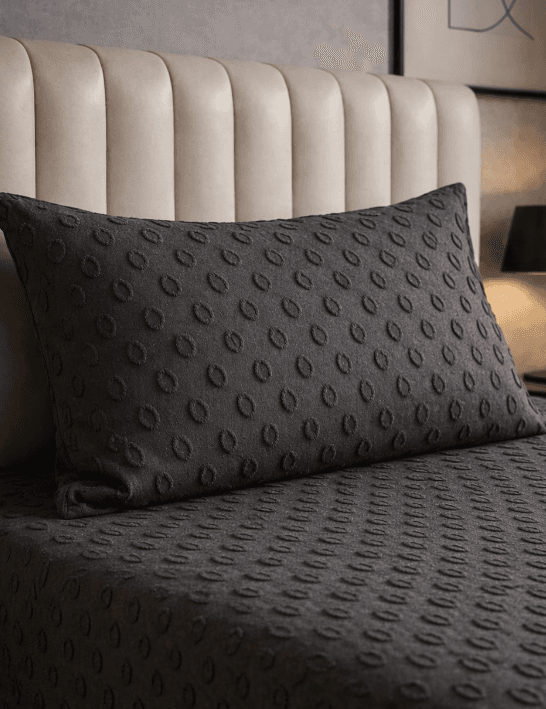
Chenille fabric—prized for its soft, velvety texture and distinctive luster—is a popular choice for sofas, blankets, pillows, and upholstery. However, its raised pile construction makes it uniquely vulnerable to crushing, matting, and water spots. Cleaning it incorrectly can permanently ruin its appearance.
This guide provides a definitive, methodical approach to cleaning chenille based on fiber type, stain categories, and professional restoration standards.
Step 1: Identify the Fiber Composition (Critical First Step)
Chenille is a weave type, not a fiber. The cleaning method depends entirely on the underlying material. Use the manufacturer’s tag (usually under cushions or on a blanket’s hem).
| Fiber Type | Common Chenille Examples | Cleaning Risk Level | Recommended Method |
|---|---|---|---|
| Cotton | Blankets, light upholstery | Medium – shrinks easily | Water-based (shampoo or steam) + air dry |
| Polyester | Most modern sofas, kids’ bedding | Low – highly stain-resistant | Water-based cleaning solutions |
| Rayon / Viscose | Luxury throws, vintage upholstery | High – water-sensitive; causes browning/crispness | Dry clean only or solvent-based spot cleaning |
| Acrylic | Budget blankets, indoor/outdoor cushions | Low – dries quickly | Water-based mild detergent |
Warning: Do not saturate rayon or viscose chenille. Water causes the fibers to swell, stiffen, and lose their pile permanently.
Step 2: General Cleaning Procedures by Severity
Use the following hierarchical approach—least invasive first.
Level 1: Routine Maintenance (Every 1–2 weeks)
- Vacuum using an upholstery brush attachment with suction only (no rotating beater bar).
- Shake out small blankets outdoors.
- Lint roll high-contact areas like armrests.
Level 2: Spot Cleaning Fresh Stains (Immediate action)
Tools: White microfiber cloths, distilled water, mild dish soap, isopropyl alcohol (70%).
Method:
- Blot (don’t rub) liquid spills with dry cloth.
- Mix solution: 1 tsp mild dish soap + 2 cups distilled water.
- Dab solution onto stain using a cloth, then blot with dry cloth.
- For oily stains (food, makeup): Use 1 tbsp isopropyl alcohol + 1 tbsp water.
- Allow to air dry completely, then gently fluff pile with a soft brush.
Level 3: Deep Cleaning (Every 6–12 months)
| Method | Suitable Fibers | Pros | Cons |
|---|---|---|---|
| Steam cleaning (hot water extraction) | Polyester, acrylic | Deep sanitation, removes embedded dirt | Over-wetting risks; not for rayon |
| Dry foam shampoo | Cotton, poly blends | Low moisture, minimal matting | Less effective on deep soil |
| Professional dry cleaning | Rayon, viscose, mixed fibers | Safe, restores pile | Expensive ($75–150 per item) |
| Hand wash (bathtub) | 100% cotton or acrylic blankets | Complete control | Labor-intensive; slow drying |
Step 3: Step-by-Step Deep Cleaning for Washable Chenille (Cotton / Polyester)
If the tag states “machine wash cold” or “water-safe,” follow this protocol:
- Pre-vacuum thoroughly.
- Pretreat stains with diluted mild detergent.
- Wash in cold water, gentle cycle, low spin. Use a mesh bag for blankets.
- Do not use fabric softener – it coats fibers and accelerates matting.
- Dry on low heat or air fluff. Remove while slightly damp.
- Reshape pile by brushing gently with a soft-bristled brush (e.g., baby hairbrush) in the direction of the nap.
Critical: High heat melts polyester and shrinks cotton chenille. Never use high dryer settings.
Step 4: Special Case – Cleaning Rayon / Viscose Chenille
For “dry clean only” chenille:
- Do not apply water, steam, or foam cleaners.
- Use solvent-based upholstery cleaners (test in hidden area).
- To remove dry soil: Vacuum with brush attachment, then wipe with a dry cleaning cloth (e.g., K2r Spot Lifter).
- For heavy soiling: Take to a professional dry cleaner who accepts upholstery items.
Comparison of Home Cleaning Products for Chenille
| Product Type | Best For | Chenille Safety Rating | Average Cost |
|---|---|---|---|
| Capture Dry Cleaner (powder) | General refresh; water-sensitive fibers | ★★★★★ (safest) | $20–30 |
| Bissell SpotClean (water-based) | Polyester/acrylic upholstery | ★★★☆☆ (risk of over-wetting) | $90–150 |
| Folex Instant Carpet Cleaner | Spot cleaning all types (non-ionic) | ★★★★☆ (test first) | $10–15 |
| Woolite INSTAclean | Foam cleaning cotton/poly | ★★★☆☆ (low moisture) | $7–12 |
| Dryel at-home dry cleaning kit | Rayon throws / small pillows | ★★★★☆ (good for small items) | $12–18 |
Pro Tips to Prevent Damage
- Always test any cleaner on a hidden spot (e.g., back of cushion) and allow to dry for 24 hours.
- Avoid rubbing, scrubbing, or using stiff brushes – they break chenille’s twisted pile.
- Do not use bleach, hydrogen peroxide, or citrus-based cleaners.
- Prevent water rings by blotting outward from stain center, never pouring liquid directly on fabric.
- Fluff weekly – use a fabric shaver to remove pills, then a soft brush to lift the nap.
When to Call a Professional
Seek professional upholstery cleaning if:
- The fabric is antique or heirloom rayon chenille.
- Stains persist after two gentle attempts.
- The item has yellowing, browning, or a crispy texture (signs of fiber damage).
- You need full sanitization (e.g., pet urine, mold).
Professional restorers use specialized low-moisture solvents and pile-lifting techniques that are impossible to replicate at home.
Final Verdict
Cleaning chenille successfully hinges on knowing your fiber and minimizing moisture. For polyester and acrylic, water-based spot cleaning works well. For cotton, low-heat washing is acceptable. For rayon or viscose, treat chenille as you would silk—dry clean only.
When in doubt, choose a dry or low-moisture method. Over-wetting is the number one cause of irreversible chenille damage.