The Definitive Guide to Systemic Insecticides for Aphid Control: Mechanisms, Products, and Best Practices
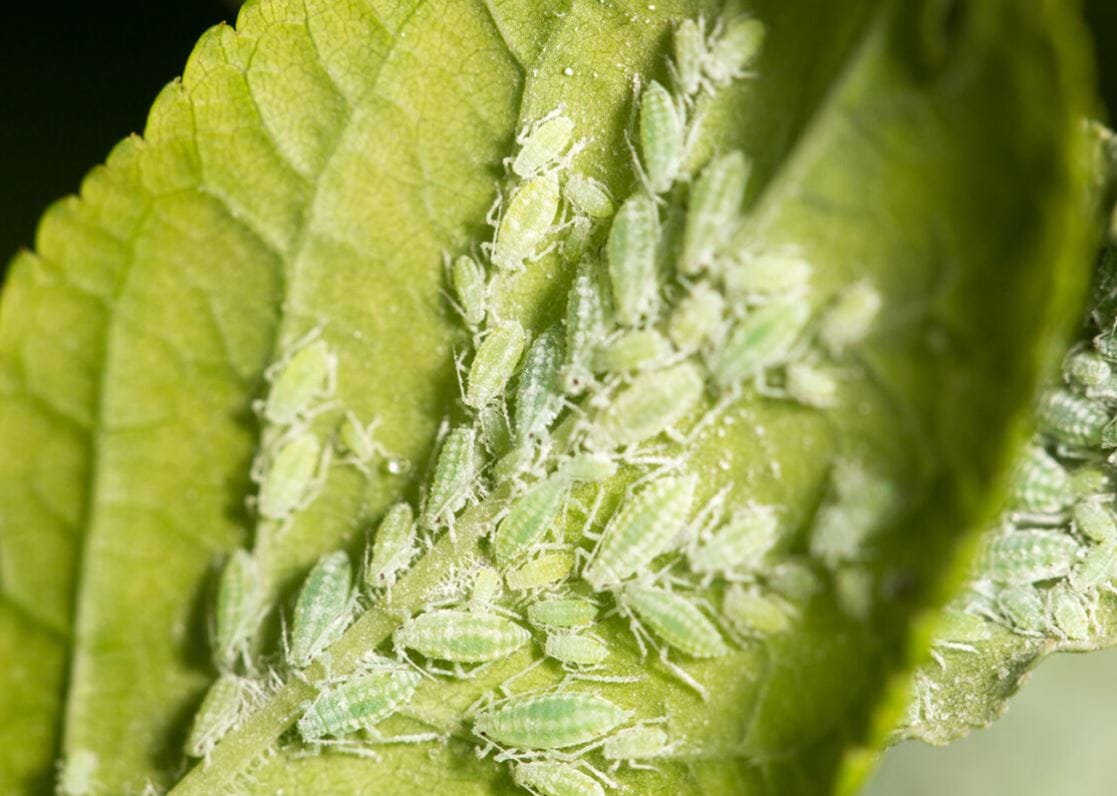
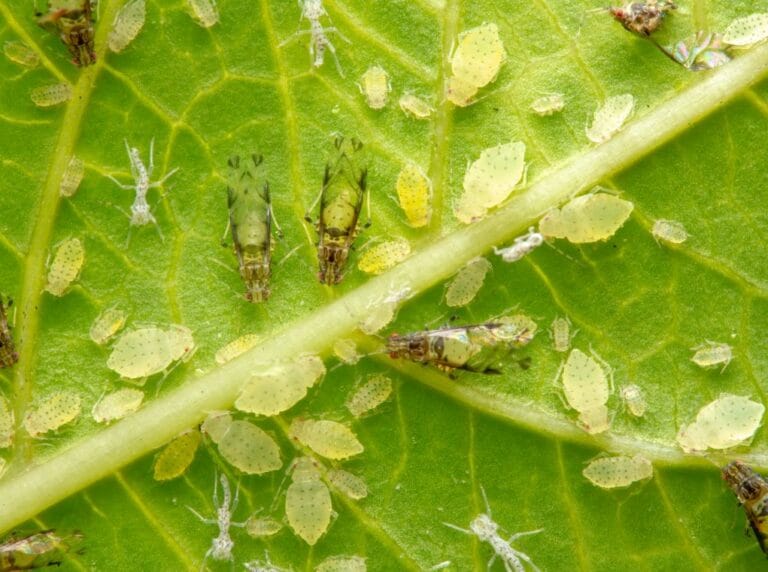
Aphids represent one of the most persistent challenges in modern agriculture and horticulture. These sap-feeding pests cause direct damage through feeding, transmit plant viruses, and produce honeydew that promotes sooty mold growth. While contact insecticides offer some relief, systemic insecticides have emerged as the gold standard for comprehensive aphid management. This guide provides an in-depth examination of systemic insecticide technology, leading products, and practical application strategies.
Understanding Systemic Insecticide Action
What Makes an Insecticide “Systemic”?
Unlike contact insecticides that remain on plant surfaces and affect pests only through direct spray contact, systemic insecticides are absorbed into plant tissues and transported through the vascular system. This fundamental difference confers several critical advantages:
| Feature | Contact Insecticides | Systemic Insecticides |
|---|---|---|
| Movement | Surface-only | Moves through xylem and/or phloem |
| Coverage Dependence | Requires complete spray coverage | Protects untreated plant tissues |
| Protection Duration | Short to moderate residual | Extended residual activity |
| Rainfastness | Susceptible to wash-off | Protected within plant tissues |
| Target Accessibility | Only reaches pests on sprayed surfaces | Reaches pests on undersides of leaves, new growth, and roots |
Translaminar vs. True Systemic Activity
A distinction must be made between translaminar and true systemic activity:
- Translaminar Movement: The active ingredient penetrates leaf tissues from the upper surface to the lower surface but does not move extensively throughout the plant’s vascular system .
- True Systemic Activity: The insecticide enters the plant’s vascular system and distributes to various plant parts. Products demonstrating two-way systemic movement travel through both xylem (upward movement) and phloem (downward movement to roots and new growth) .
Major Systemic Insecticide Classes for Aphid Control
Neonicotinoids
Neonicotinoids remain widely used systemic insecticides with proven efficacy against aphids. Research comparing neonicotinoids against cotton aphid (Aphis gossypii) demonstrates that imidacloprid and acetamiprid provide effective control with selective activity and lower mammalian toxicity compared to conventional organophosphates .
Comparative efficacy data from field trials on mustard aphid (Lipaphis erysimi) shows Imidacloprid 17.8% SL achieved 87.21% pest reduction, outperforming other chemical and biological treatments .
Ketoenols (Spirotetramat)
Spirotetramat-based products represent a newer class of systemic insecticides with a unique mode of action—inhibiting lipid biosynthesis in immature insects, disrupting molting and reducing egg viability in females .
Products in this class offer:
- True two-way systemic movement (xylem and phloem)
- Extended residual control in perennial crops
- Activity against eggs, nymphs, and immatures
- No known cross-resistance issues
Sulfoximines (Isoclast Active)
Sulfoximine chemistry offers a novel mode of action (Group 4C) for managing sap-feeding insects. Products containing Isoclast active provide systemic activity against multiple aphid species including Russian wheat aphid, cabbage aphid, green peach aphid, and soybean aphid .
Leading Commercial Systemic Insecticides for Aphids
Ateka™ (Spirotetramat)
Launched by ADAMA, Ateka utilizes proprietary Ayalon™ Formulation Technology to enhance leaf penetration and plant uptake . The product is described as “fully systemic” with movement through both xylem and phloem, reaching new growth, leaves, and roots .
Key Characteristics:
- High-load suspension concentrate formulation
- Faster penetration than Movento® according to field data
- Flexible application window
- Best results with early application and penetrating adjuvant
- Registered for citrus, pome fruit, stone fruit, grapes, leafy greens, and fruiting vegetables
Performance Data:
Transform® (Isoclast Active)
Corteva’s Transform® insecticide features Isoclast® active, a Group 4C systemic insecticide for sap-feeding pest control in vegetables .
Target Aphid Species:
Senstar® Insecticide
Valent’s Senstar provides dual modes of action with both translaminar and systemic activity. The product claims activity against all pest life stages, including eggs, and selective targeting of harmful pests with minimal impact on beneficial arthropods .
Crop Registration:
- Citrus: Asian citrus psyllid, scale, aphids, mealybugs
- Vegetables: whiteflies, aphids, psyllids, thrips
- Pome Fruit: scales, aphids, mealybugs, pear psylla
- Stone Fruit: aphids, mealybugs
- Grapes: vine mealybug
Movento® (Spirotetramat)
Bayer’s Movento® pioneered two-way systemic insecticide technology for sucking pest control. The product inhibits lipid biosynthesis, particularly triglycerides and free fatty acids .
Key Benefits:
- Developed globally across vegetables, citrus, pome and stone fruits, nuts, grape, hops, potato, tropical fruits, cotton, and soybean
- Environmentally safe and harmless to adult pollinators such as honey bees and bumblebees
- No cross-resistance in aphids and whiteflies
- Effective resistance management tool
Venom® Insecticide
Valent’s Venom offers “super-systemic” activity with quick uptake and knockdown, providing long-lasting control of a broad spectrum of pests. The product also features translaminar activity for complete leaf protection .
Mode of Action Profiles
Understanding the mode of action is essential for resistance management and optimal application timing.
Lipid Biosynthesis Inhibition
Spirotetramat (Ateka, Movento) disrupts lipid biosynthesis in developing insect stages:
- Primary Target: Immature stages (eggs, nymphs)
- Effect on Adults: Reduced egg viability
- Control Timeline: Results are not immediate—population pressure declines over time as reproduction is interrupted
Nicotinic Receptor Agonists
Neonicotinoids and sulfoximines target nicotinic acetylcholine receptors:
- Effect: Rapid feeding cessation
- Time to Knockdown: Faster than lipid biosynthesis inhibitors
- Primary Use: Where immediate pest suppression is required
Non-Target Impacts and Integrated Pest Management Considerations
Beneficial Arthropod Impact
Research on the non-target effects of systemic insecticides reveals important considerations for integrated pest management. A study examining imidacloprid, thiamethoxam, and sulfoxaflor against cotton aphid and its parasitoid Aphidius colemani found:
- The LC50 concentrations for aphids were significantly lower than label rates (0.0064×, 0.005×, and 0.029× label rates for imidacloprid, thiamethoxam, and sulfoxaflor, respectively)
- Thiamethoxam caused the highest parasitoid mortality, followed by sulfoxaflor
- Imidacloprid had the lowest impact on parasitoids
- No significant sublethal effects on reproduction were observed in parasitoids surviving insecticide exposure
IPM Recommendation: Case-specific evaluation is essential to optimize pesticide applications while preserving biological control services .
Application Best Practices
Timing Considerations
Adjuvant Use
Products with systemic activity often benefit from penetrating adjuvants to optimize uptake. For spirotetramat products, adjuvant use is essential for rapid uptake and performance .
Resistance Management
- Rotate modes of action across different chemical groups
- Use systemic products at full labeled rates
- Monitor pest populations for signs of resistance
- Incorporate biological control where compatible with product selection
- Avoid repeated applications of the same mode of action within a season
Comparative Product Table
Economic Considerations
Systemic insecticides represent a significant investment, but the return can be substantial. Data from mustard aphid trials demonstrates the economic benefits of effective systemic control:
| Treatment | Yield (q/ha) | Benefit:Cost Ratio |
|---|---|---|
| Imidacloprid 17.8 SL | 38.33 | 1:9.71 |
| Cypermethrin 10% EC | 34.00 | 1:8.54 |
| Biopesticides | 21.66-31.66 | 1:4.64 – 1:7.22 |
| Control (Untreated) | 15.00 | 1:3.93 |
Source: Field trials on mustard aphid, India, 2023-2024
Conclusion
Systemic insecticides for aphid control offer significant advantages over contact products through their ability to move within plant tissues, protect new growth, and provide extended residual activity. Spirotetramat products such as Ateka and Movento provide two-way systemic movement with unique lipid biosynthesis inhibition, making them valuable resistance management tools. Neonicotinoids and sulfoximines offer faster knockdown activity suitable for different application scenarios.
Success with systemic insecticides requires understanding product movement characteristics, correct application timing, appropriate adjuvant use, and integration with IPM principles to preserve beneficial arthropod populations. As resistance management becomes increasingly important, rotating modes of action and selecting products with novel chemistries will be essential for sustainable aphid control programs.