Wax-Producing Aphids on Shrubs in New Jersey: An In-Depth Guide for Homeowners and Professionals
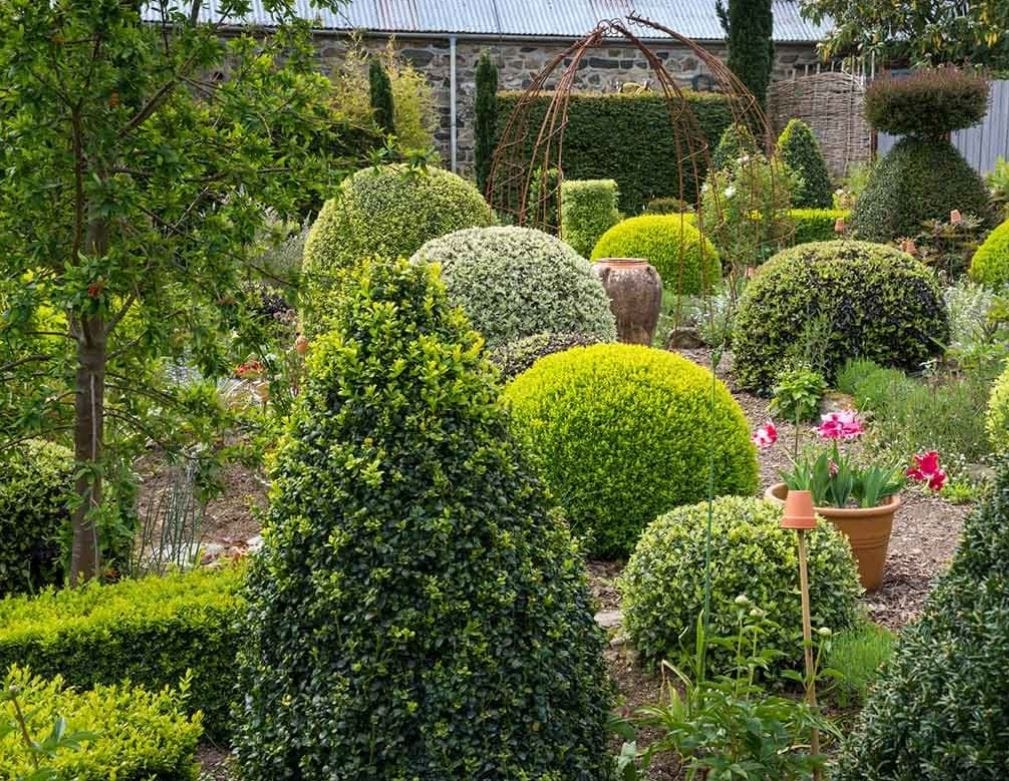
New Jersey’s diverse shrubbery, from foundation plantings to natural hedgerows, provides ample habitat for a wide range of insects. Among the most distinctive and commonly encountered are the waxy aphids, a group of sap-sucking insects that produce a characteristic fluffy or powdery wax secretion. This identification and management guide provides an in-depth look at these pests, tailored specifically to New Jersey’s landscapes.
What Are “Waxy” Aphids?
The term “waxy aphids” is a general descriptor rather than a strict scientific classification. It refers to any aphid species that produces white, cottony, or powdery wax filaments from specialized glands on their bodies. This wax serves multiple purposes: it offers protection from predators and desiccation, and it can repel water. In New Jersey, two primary groups of aphids are known for this wax production:
- Woolly Aphids (Subfamily: Eriosomatinae): These are the most classic “waxy” aphids, producing long, white, fluffy wax filaments that make them look like tiny cotton balls. They often have a complex life cycle that involves alternating between two different host plants .
- Other Wax-Producing Aphids: Some aphids, like the Balsam Twig Aphid (Mindarus abietinus), produce a fine, powdery wax rather than distinct “wool.” Their eggs are notably covered in “white waxy rod-like structures” .
Common Waxy Aphids on NJ Shrubs
The following are key species identified in New Jersey that are either waxy or found on shrubby hosts.
Historical Context in NJ
Documentation of aphids in New Jersey dates back decades. An exhaustive 1954 publication by M.D. Leonard, referencing the “New Jersey List” (NJL), provides a historical baseline . For instance, Pterocomma smithiae was historically “considerably infesting” willows in Middlesex County as early as July 1936 . This long history indicates that aphids, including potentially waxy species, are endemic and persistent residents of the state’s ecosystems.
Biology and Life Cycle
Understanding the aphid life cycle is crucial for effective management. According to Rutgers Cooperative Extension, the Growing Degree Day (GDD) window for aphid activity in New Jersey is typically between 7 and 120 (base 50°F) . This means that the first significant aphid activity often begins in early spring, around April.
- Appearance: Aphids are small (1/16″ to 1/8″), soft-bodied, and pear-shaped. They can be pink, green, black, or covered in white wax. All adults possess cornicles (tailpipe-like structures on the abdomen) and long, slender mouthparts .
- Feeding: They use their piercing-sucking mouthparts to feed on phloem sap. This process produces a sugary liquid waste called honeydew, which can coat leaves and lead to the growth of sooty mold, a black fungus that is primarily an aesthetic issue but can reduce photosynthesis .
- Reproduction: Aphids can reproduce both sexually (producing eggs in winter) and asexually (giving birth to live young in spring and summer), allowing their populations to explode rapidly under favorable conditions.
Integrated Pest Management (IPM) for Shrubs
Managing aphids in NJ requires a balanced approach. A primary consideration is that “over-fertilizing with nitrogen” can attract aphids, as they thrive on lush, new growth . The following IPM strategies are recommended by experts at Rutgers Cooperative Extension .
Cultural and Biological Controls (First Line of Defense)
- Beneficial Insects: Encourage and protect natural predators like ladybug beetles, lacewings, syrphid flies, and parasitic wasps. Avoid broad-spectrum pesticides that kill these beneficials.
- Companion Plantings: Planting dill, coriander, yarrow, fennel, garlic, chives, marigolds, or nasturtiums near susceptible shrubs can help attract natural predators .
- Water Spray: A strong, heavy spray of water from a garden hose can dislodge aphids from stems and leaves.
- Pruning: Prune out heavily infested twigs and branches to remove the source of the infestation.
Chemical and Biorational Controls
When cultural methods fail, consider the following management options, classified by their impact :
| Management Category | Examples | Considerations |
|---|---|---|
| Biorationals | Insecticidal soaps, Horticultural oils (mineral oil, neem oil) | Least harmful to beneficial insects. Effective on contact. |
| Contact Insecticides | Pyrethroids (e.g., -thrins), Abamectin | Effective upon direct spray. Pyrethroids can harm beneficial predators. |
| Systemic Insecticides | Neonicotinoids (Imidacloprid, Dinotefuran), Acephate, Spirotetramat | Absorbed by the plant and provide longer-lasting control. Use with caution, as some (like neonicotinoids) can be harmful to pollinators if applied incorrectly. |
Conclusion
Waxy aphids are a common and fascinating part of New Jersey’s landscape. By correctly identifying the specific aphid—be it the Alder Woolly Aphid or another species—and understanding their life cycle, property owners and professionals can implement effective, environmentally responsible management. Prioritizing natural predators and using targeted, low-impact controls ensures the health of New Jersey’s shrubs while preserving the ecological balance of the garden. For current year-specific advice and GDD data, consult the Rutgers Cooperative Extension or your local county agricultural agent.