How to Get Rid of Aphids on Indoor Plants: A Comprehensive Guide
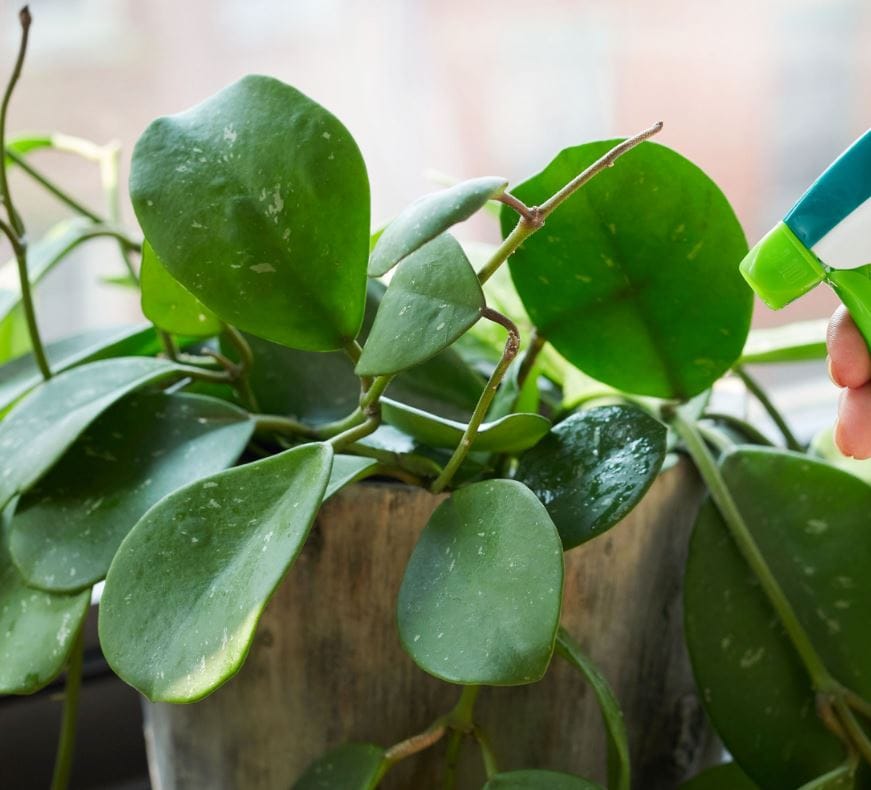
Aphids are among the most common and frustrating pests for indoor gardeners. These tiny, sap-sucking insects can rapidly multiply and cause significant damage to your cherished houseplants if not addressed promptly. This guide provides a detailed, professional overview of effective strategies to identify, control, and prevent aphid infestations indoors.
Understanding the Enemy: What Are Aphids?
Aphids are small, soft-bodied insects, typically less than 1/8 inch long, and can be a variety of colors including green, black, yellow, pink, or even white . They are often found in clusters on new, succulent growth, the undersides of leaves, and in the crevices of stems .
Why They Are a Nightmare Indoors
The challenge with aphids lies in their extraordinary reproductive capabilities. In indoor conditions, most aphids do not need to mate. Adult females can give birth to live young—up to 3 to 6 per day for several weeks—without fertilization . This means a single aphid can spawn a massive colony in a very short time. The shed skins left behind are a tell-tale sign of their presence .
Signs of an Infestation
Detecting aphids early is crucial for easy control. Look for these common symptoms:
- Sticky Leaves (Honeydew): Aphids excrete a sugary, sticky substance called honeydew as they feed. This often coats leaves and surrounding surfaces, making them shiny and sticky .
- Curling or Distorted Leaves: As aphids suck plant juices, they can cause leaves to curl, pucker, or become distorted, particularly on new growth .
- Sooty Mold: In moist conditions, a black, unsightly fungus called sooty mold can grow on the honeydew .
- Presence of Ants: Ants are attracted to honeydew and will often “farm” aphids, protecting them from predators in exchange for this sweet substance .
- Visible Insects and Shed Skins: Look for clusters of tiny insects on the plant and small white, papery skins shed as the nymphs grow .
A Multi-Stage Approach to Control
An effective strategy for managing aphids on indoor plants involves a tiered approach, starting with the least invasive methods and escalating to more potent solutions only if necessary. This protects both your plants and the indoor environment.
1. Immediate Physical Removal (Non-Chemical)
For light to moderate infestations, physical removal can be highly effective and is the safest first step.
- The Water Blast: This is the most straightforward and recommended first-line defense. Move the plant to a sink, shower, or outdoor area and use a strong spray of water to dislodge the aphids from the foliage . Be sure to target the undersides of leaves where they commonly hide . This method can reduce a population by 60-80% in a day but will likely need to be repeated .
- Manual Removal: For a hands-on approach, especially on small plants or delicate foliage, you can use a damp cloth or a cotton swab to gently wipe or crush aphids. Wearing gloves, you can also prune off heavily infested leaves or stems and dispose of them in a sealed bag .
2. Organic and Low-Toxicity Sprays
If physical removal is insufficient, several natural sprays are effective and safe for indoor use.
- Insecticidal Soap: This is considered a gold standard for aphid control. The fatty acids in the soap dissolve the protective outer layer of soft-bodied insects, causing them to dehydrate and die . It is generally non-toxic to humans and pets when used as directed .
- Neem Oil: Derived from the neem tree, this oil acts as a natural insecticide. It can disrupt the aphids’ feeding, growth, and reproductive processes .
- Application: Mix a pure, cold-pressed neem oil with water and a mild soap (as an emulsifier) according to the product label . Apply as a spray, ensuring complete coverage. Reapply every 7-10 days until the infestation is under control . Important: Avoid applying neem oil to stressed plants or under bright light, as it can cause leaf burn .
- Rubbing Alcohol Solution: Isopropyl alcohol can effectively kill aphids on contact by dehydrating them .
3. Advanced and Chemical Controls
If all other methods fail to control a severe infestation, more potent options are available, but they should be used with caution.
- Systemic Insecticides: These are chemicals that are absorbed by the plant and make its tissues toxic to feeding pests . They offer long-lasting protection.
- Chemical Sprays: Sprays containing pyrethrins, imidacloprid, or pyrethroids are effective but should be a last resort . They can kill beneficial insects and may be more toxic to people and pets. Use them only if the infestation is severe and threatens the plant’s survival.
Comparison of Control Methods
*While safe for people and pets, neem oil should still be used with caution around beneficial insects if plants are moved outdoors.
Prevention: The Best Long-Term Strategy
Preventing an infestation is far easier than treating one.
- Quarantine New Plants: Keep any new plant separate from your existing collection for 30 days. Inspect it regularly for pests .
- Maintain Plant Health: Healthy, vigorous plants are less susceptible to pests. Provide proper watering, light, and nutrition .
- Monitor Regularly: Make it a habit to inspect your plants weekly, focusing on new growth and the undersides of leaves .
- Hygiene: Keep plant areas clean. Remove dead leaves and debris that can harbor pests . Wipe leaves with a damp cloth to remove dust.
- Control Ants: Ants protect aphids. If you see ants on your plants, it may signal an aphid problem .
By following this structured, professional guide, you can effectively identify, treat, and prevent aphid infestations, ensuring your indoor plants remain healthy and vibrant.