The Definitive Guide to Using Ladybugs for Aphid Control Indoors
Introduction: The Biological Solution for Indoor Gardens
The presence of aphids on prized houseplants or in an indoor greenhouse can be a frustrating experience for any gardener. These soft-bodied pests reproduce rapidly, draining plants of vital nutrients and excreting sticky honeydew that promotes sooty mold growth. While chemical pesticides offer a quick fix, a growing number of indoor gardeners are turning to biological control methods—specifically, the introduction of predatory insects. Among the most iconic of these natural allies is the ladybug (or lady beetle). This article provides a detailed, professional examination of using ladybugs to combat aphid infestations indoors, exploring their efficacy, practical application methods, and crucial considerations for success. Ladybugs are voracious predators, with a single adult capable of consuming up to 5,000 aphids over its lifetime. However, their use indoors presents distinct challenges that require careful planning.
Understanding the Ladybug as a Biological Control Agent
The Voracious Appetite of a Natural Predator
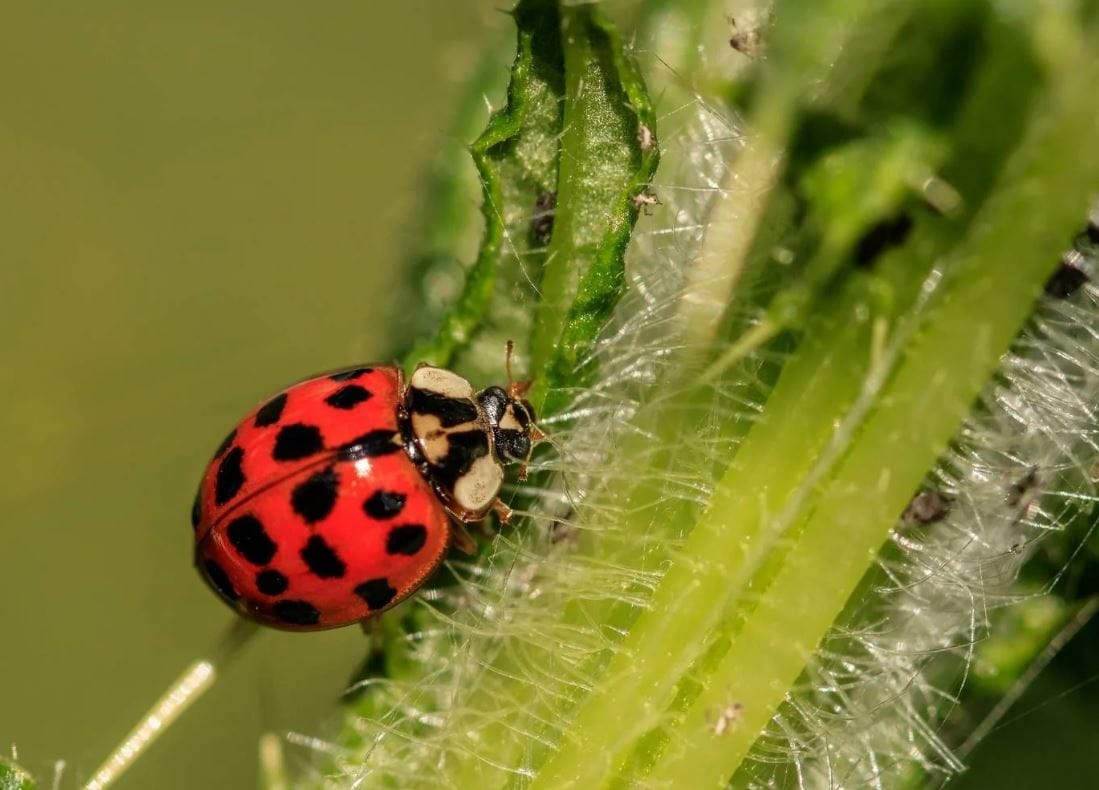
Ladybugs are members of the beetle family Coccinellidae. They are apex predators in the insect world, with a particular fondness for aphids. Both the adult beetles and their larvae are predatory, making them a formidable force against aphid colonies. The larvae, often described as having an alligator-like appearance, are especially voracious, consuming up to 400 aphids before pupating. This dual-stage predation makes them highly effective biological control agents.
Species Identification: Native Ladybugs vs. Asian Lady Beetles
A critical distinction must be made between native ladybug species and the multicolored Asian lady beetle (Harmonia axyridis). While both are predators of aphids, the Asian lady beetle has become notorious for its nuisance behavior indoors.
Purchasing commercially available ladybugs is the only reliable method of introducing them indoors. However, it is important to note that the commercial trade often involves harvested wild populations, which can have questionable legality and poor retention rates in the release area.
The Practical Challenges of Indoor Application
The Retention Problem and Migration
One of the primary obstacles to using ladybugs indoors is their tendency to disperse. A common finding is that up to 70% of adult ladybugs released in a specific area will leave within 48 hours if not properly contained. This is because as adults, their primary drive is to fly in search of food and suitable habitat, not to remain in one location. Without a physical barrier, they will inevitably wander away from the infested plant, exploring the entire home, attracted to light sources from windows or artificial lighting.
The Need for Containment
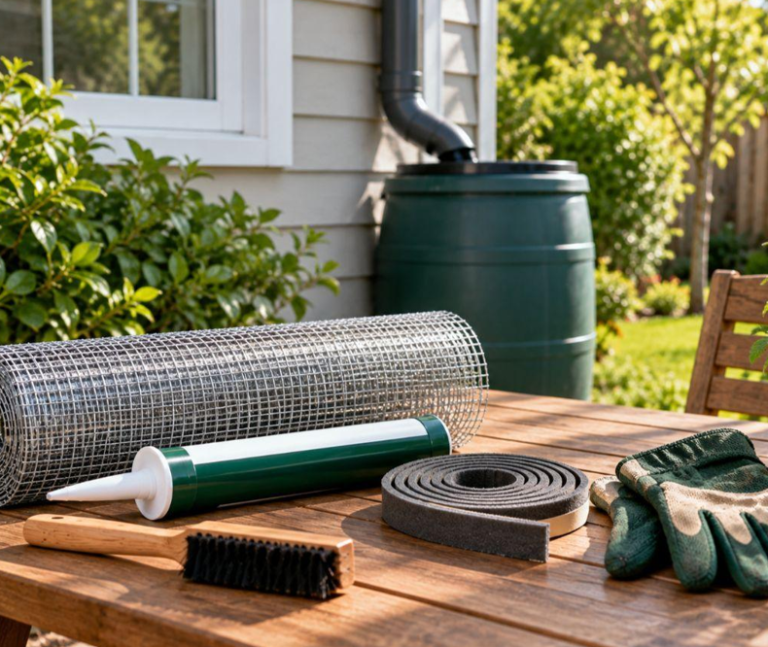
To overcome the retention problem, a containment strategy is essential. Simply releasing ladybugs onto a houseplant is impractical; they will scatter throughout your home. Effective indoor use requires a contained environment, such as a small greenhouse, a grow tent, or a terrarium. For individual plants, the plant can be covered with fine mesh netting or floating row covers, which are spun fabric blankets used to protect plants from insects. This creates a controlled “cage” where the ladybugs are forced to stay near the aphid colony.
A Step-by-Step Guide to Indoor Release
Pre-Release Preparation
- Identify the Need: Ensure an aphid infestation is present. Introducing ladybugs when no food source is available will lead to their rapid departure.
- Choose the Right Product: Consider using eggs or larvae instead of adults. Larvae are the most voracious feeders, cannot fly away, and are less likely to wander. Ladybug eggs are delivered on small cards that can be pinned to infested leaves, allowing larvae to emerge directly on the food source.
- Adjust the Environment:
- Temperature: Ensure the environment is between 18°C and 25°C (65°F – 77°F) for optimal activity and larval hatching. Temperatures should remain above 15°C (59°F).
- Moisture: Ladybugs need water. Mist the plant thoroughly with water before releasing them, creating droplets on leaves for them to drink.
- Timing: Release the beneficial insects in the early evening. This allows them to settle in and find water and prey overnight, reducing the immediate urge to fly away.
Release and Maintenance
- Application: If using adult ladybugs, carefully distribute them on the wet leaves of the infested plant. If using eggs, place the cards as close to the aphid colony as possible.
- Containment: Immediately enclose the plant and the ladybugs within the mesh barrier. Ensure the barrier is sealed securely to prevent escape.
- Ongoing Care: Continue to mist the plant daily to provide a water source for the beneficial insects. The barrier can be removed once the aphid population has been significantly reduced and the ladybugs have naturally died off or been removed.
Post-Infestation Management
Once the aphids have been eradicated, the ladybugs will quickly starve or leave the containment area. It is important to remove them humanely. A “bug vac” or similar device can be used to gently collect the remaining ladybugs from the containment area and release them outdoors. Alternatively, opening the containment in an area where they can be relocated is an option. Should they escape into the home, gently vacuuming them is an effective and humane removal method.
Comparing Ladybugs to Other Indoor Biological Controls
While ladybugs are effective, they are not the only biological option, nor always the best. An integrated approach often yields the best results.
For indoor use, green lacewing larvae and parasitic wasps are often recommended over adult ladybugs by professionals due to their superior retention and focused behavior. They are less likely to become a household pest themselves and target aphids with high efficiency.
Conclusion: A Viable Strategy with Important Caveats
Using ladybugs for aphid control indoors is a viable and effective biological strategy, but it is not as simple as releasing a bag of beetles onto a windowsill. Success hinges on understanding the specific challenges, particularly the tendency of adult ladybugs to disperse. By opting for larvae, creating a proper containment environment with adequate moisture and warmth, and integrating this method with other biological controls like green lacewings, indoor gardeners can successfully leverage the natural predatory power of ladybugs to protect their plants from aphid infestations, all without the need for chemical pesticides.