Aphids on Broccoli Plants: Identification, Management, and Control
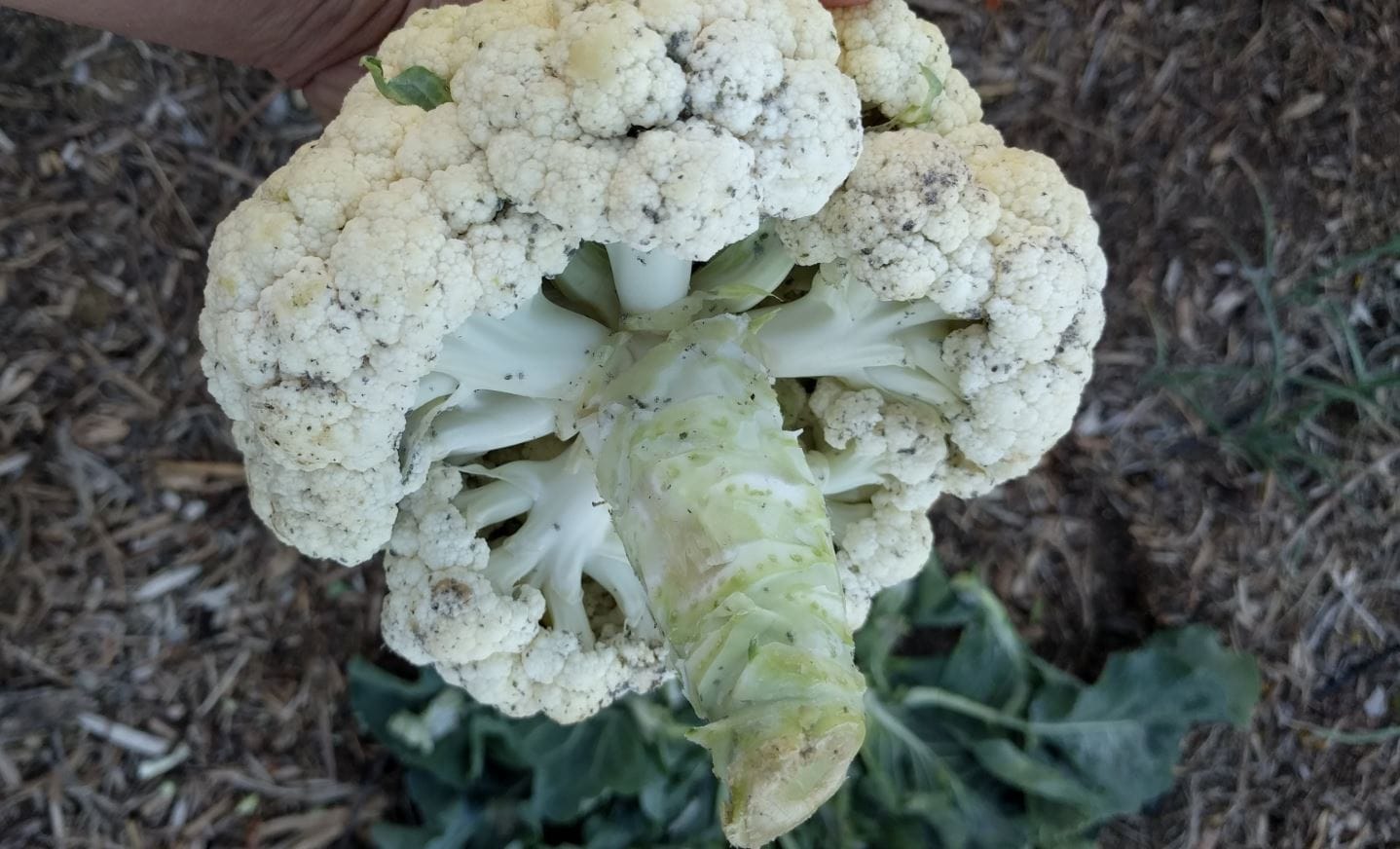
Aphids represent one of the most persistent and economically significant threats to broccoli production worldwide. These small, soft-bodied insects can cause direct damage through feeding and indirect losses through virus transmission and contamination of harvestable heads. Understanding the biology, identification, and integrated management of aphids is essential for both commercial growers and home gardeners seeking to protect their broccoli crops .
Understanding the Primary Aphid Species Affecting Broccoli
Several aphid species infest broccoli and other cruciferous crops, each with distinct characteristics and management implications. Accurate species identification is crucial for implementing effective control strategies.
Cabbage Aphid (Brevicoryne brassicae)
The cabbage aphid is the most damaging and specialized pest of broccoli and related brassicas. These aphids feed exclusively on cruciferous plants and are easily recognized by the white, waxy, powdery secretion that covers their colonies . Wingless adults appear dull green, yellow-green, or gray-green, while winged forms have dark brown to black heads and thoraxes . They form dense clusters, typically on the undersides of young leaves, stems, and within developing heads, making them particularly difficult to remove from marketable produce .
Green Peach Aphid (Myzus persicae)
The green peach aphid has a broader host range than the cabbage aphid and is a frequent pest of broccoli, though it tends to feed more on older leaves . This species exhibits considerable color variation, ranging from light green to yellow, pink, or red, which can complicate visual identification . It is a highly efficient vector of numerous plant viruses affecting brassica crops .
Turnip Aphid (Lipaphis erysimi)
Also known as the false cabbage aphid, this species can cause significant damage, particularly in warmer production regions. Like the cabbage aphid, it prefers young leaves and can contaminate harvested heads .
Table 1: Key Characteristics of Common Aphid Species on Broccoli
Life Cycle and Seasonal Activity
Aphid life cycles are complex and influenced by environmental conditions. In temperate regions, many species overwinter as mobile aphids on cultivated and wild host plants, while some cabbage aphids may overwinter as eggs .
Spring and Summer Development
As temperatures warm in spring, aphid development accelerates, and winged forms are produced. These winged aphids disperse to new hosts, including broccoli crops, where they give birth to wingless offspring that establish colonies. Multiple generations occur throughout the growing season, with further winged forms produced later in summer to infest new plantings .
In warmer climates with mild winters, parthenogenetic reproduction (where females produce live offspring without mating) can occur year-round, allowing populations to persist and increase continuously . This contributes to the rapid population explosions often observed in broccoli fields.
Population peaks for cabbage aphid have been documented in June-July and again in September-October, with yield being most affected by attacks during the second peak .
Signs and Symptoms of Infestation
Early detection of aphid infestations is critical for effective management, particularly once broccoli heads begin to form .
Direct Feeding Damage
Aphids feed by inserting their needle-like mouthparts into plant tissue and extracting phloem sap. This feeding weakens plants, causes stunting, and can kill young seedlings . On mature plants, feeding causes leaf distortion and curling, particularly on new growth . Photosynthesis is hampered, which reduces plant vigor and potentially decreases yield .
Honeydew and Sooty Mold
As aphids feed, they excrete a sugary liquid known as honeydew. This sticky substance coats leaves and the developing head, serving as a medium for the growth of black sooty mold . While sooty mold does not directly harm the plant, it significantly reduces marketability by discoloring the broccoli head and making the produce aesthetically unappealing. Honeydew contamination is often the primary economic damage caused by aphids .
Virus Transmission
Aphids are vectors for approximately 20 plant viruses that affect brassica crops, including Turnip Mosaic Virus and Cauliflower Mosaic Virus . These viruses can cause systemic infections, leading to severe yield losses or plant death. Even low aphid populations can transmit viruses effectively, making virus management a critical consideration .
Economic Thresholds and Scouting
Integrated Pest Management (IPM) relies on regular scouting and the use of economic thresholds to guide treatment decisions. While scientifically established thresholds are lacking for some crops and regions, practical action thresholds have been developed.
Scouting Protocol
- Frequency: Scout fields at least twice per week throughout the growing season .
- Method: Examine the underside of leaves from the top, middle, and bottom of plants. Pay particular attention to field margins and hedgerows, as aphid distribution is often patchy and initially higher near field edges .
- Key Observations: Note the presence of honeydew, sooty mold, and natural enemies (lady beetles, lacewings, parasitic wasps) . Distinguish live aphids from dead individuals and shed skins .
Threshold Guidelines
Action thresholds vary based on crop stage, market type (fresh vs. processed), and region. Broccoli can tolerate moderate aphid pressure before heading begins, but once heads form, control is necessary with very few aphids present due to the risk of contamination .
Table 2: General Economic Thresholds for Aphids on Broccoli
Note: Thresholds should be adjusted based on local conditions and crop value.
Integrated Management Strategies
Successful aphid management on broccoli requires an integrated approach combining cultural, biological, and chemical control methods to achieve effective, sustainable results while minimizing environmental impact.
Cultural Control Methods
Cultural practices are the foundation of preventative management and are essential for reducing aphid pressure.
Weed Management: Weed hosts such as lamb’s-quarters and pigweed serve as alternate hosts for aphids and can harbor populations that move into broccoli fields. Effective weed management through cultivation or appropriate herbicides can help reduce initial aphid numbers . Removing and destroying crop debris after harvest prevents excessive dispersal to subsequent plantings .
Crop Rotation: Rotating broccoli with non-host crops disrupts the aphid life cycle by removing their food source. This practice is particularly important for managing the cabbage aphid, which feeds exclusively on brassicas .
Exclusion Nets: Physical barriers can provide effective protection against aphids. Knitted exclusion netting with mesh sizes under 0.5 mm x 0.75 mm will exclude most aphid species and is less likely to fray when cut or torn compared to woven alternatives .
Biological Control
Biological control harnesses the power of natural enemies to suppress aphid populations. These beneficial organisms can help keep aphid numbers below threshold levels when properly conserved and enhanced.
Predators: Lady beetles (both adults and larvae), lacewings (Chrysopidae), and minute pirate bugs (Orius spp.) are voracious predators of aphids and can significantly reduce populations . Introducing lacewing eggs or larvae can be more effective than releasing adult lady beetles, which may fly away from the release site .
Parasitoids: Tiny parasitic wasps such as Aphelinus and Aphidius species are important natural enemies of aphids. These wasps lay their eggs inside aphids, where the developing larvae consume the aphid from within, eventually killing it and forming a characteristic “mummy” . Conserving these beneficial insects through the use of selective pesticides is critical for effective biological control.
Habitat Enhancement: Including plants that attract and support natural enemies among or near broccoli plantings can enhance biological control. Beneficial insect-attracting plants include yarrow, sweet alyssum, caraway, fennel, and various clovers .
Chemical Control
When aphid populations exceed economic thresholds, chemical intervention may be necessary. However, careful selection and application of insecticides is essential to protect beneficial insects and prevent resistance development.
Chemical Insecticides: Several insecticides are available for aphid control on broccoli. Research has demonstrated efficacy for products such as acetamiprid (Assail) and tolfenpyrad (Torac) against aphid species . The newer insecticide sulfoxaflor (Closer) has shown good efficacy against aphids on broccoli .
Microbial Insecticides: The entomopathogenic fungus Beauveria bassiana (BotaniGard) has demonstrated efficacy against aphids, though its action may be delayed compared to chemical insecticides. This slower action is typical of biopesticides but can provide control comparable to chemical options, making it an environmentally friendly component of IPM .
Resistance Management: Rotation of insecticides with different modes of action is essential to minimize the risk of resistance development. Green peach aphids and cabbage aphids have demonstrated resistance to various insecticides in some areas . Avoid the use of broad-spectrum insecticides that may also control natural enemies, leading to secondary pest outbreaks .
Organic Management Options
For organic production or home gardens, several options are available for effective aphid control.
Physical Removal: A strong stream of water can dislodge aphids from plants, particularly when applied to the underside of leaves and into curled growing tips. Repeat this treatment every 1-2 days for several rounds to significantly reduce populations . Pruning and removing heavily infested leaves or plant parts is also effective .
Insecticidal Soap and Oils: Insecticidal soaps are very effective on aphids when applied thoroughly, especially to undersides of leaves and stem joints. Apply in the evening or early morning to avoid leaf burn . OMRI-listed formulations containing neem oil, capsaicin, and essential oil extracts (clove, garlic, rosemary) are also available for organic use .
Note: Even organic-approved products can be harmful to bees and other beneficial insects, so careful label reading and application instructions should be followed .
Table 3: Comparative Management Strategies for Aphids on Broccoli
Special Considerations for Harvest
The presence of aphids in broccoli heads at harvest is one of the most significant economic impacts of this pest. Once heads begin to form, management should be particularly vigilant to prevent contamination .
- Timing: Aphid populations on broccoli peak at the head formation stage, making this a critical period for monitoring and intervention .
- Processing: Infested broccoli may be acceptable for processing if stringent washing procedures are used, but fresh market produce typically requires much lower tolerances .
- Home Gardens: Broccoli with aphid infestations can still be consumed if thoroughly washed. Soaking in salted water can help remove aphids from heads, but quality may be compromised if infestations are heavy .
Conclusion
Aphids, particularly cabbage aphids and green peach aphids, pose a substantial threat to broccoli production through direct feeding damage, virus transmission, and contamination of marketable heads. Effective management requires an integrated approach combining cultural practices, biological control, and chemical intervention when necessary. Regular scouting and early intervention are essential for preventing aphid populations from reaching damaging levels. By understanding the biology and behavior of these pests, growers can implement strategies that protect their crops while minimizing environmental impact and preserving the efficacy of available control tools.