Can Aphids Bite Humans? The Definitive Guide
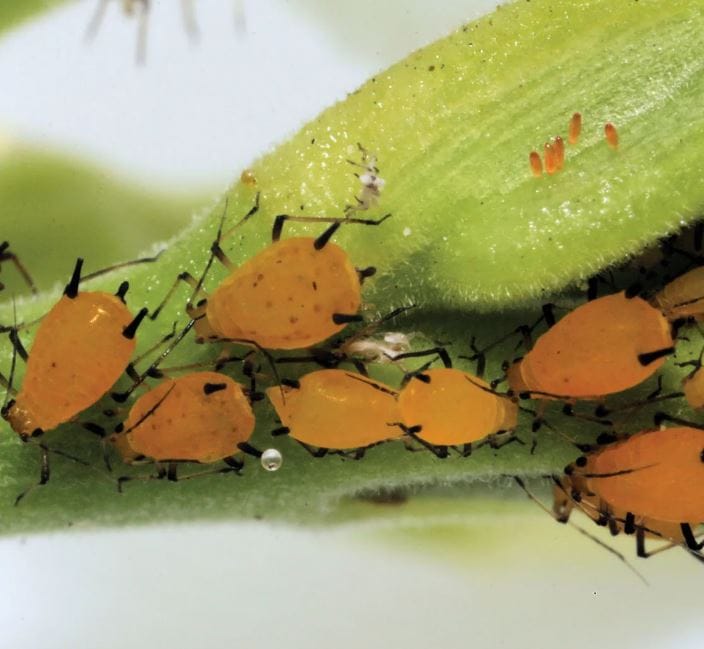
Aphids are among the most common garden pests, notorious for damaging plants by feeding on their sap. Every year, gardeners and homeowners encounter these tiny insects and often wonder: can aphids bite humans? The short answer is no—aphids cannot bite humans in the way that mosquitoes, fleas, or bed bugs do. However, the full story involves understanding their specialized mouthparts, the rare instances of skin contact, and what symptoms might actually occur.
This comprehensive guide explores the science behind aphid feeding mechanisms, distinguishes between “bites” and accidental skin pricks, and provides clear, evidence-based information for anyone concerned about these insects.
Understanding Aphid Anatomy and Feeding Mechanisms
To understand why aphids cannot bite humans, it is essential to examine their anatomy. Aphids possess highly specialized mouthparts designed exclusively for piercing plant tissue and extracting sap. These mouthparts are not built for biting through skin or consuming blood.
The Stylet Bundle
The aphid’s feeding apparatus consists of a bundle of needle-like stylets enclosed within a protective sheath called the labium. This stylet bundle is composed of two pairs of flexible, interlocking stylets that form two distinct channels:
| Structure | Function |
|---|---|
| Food Canal | Sucks plant sap upward from the plant’s phloem |
| Salivary Canal | Injects saliva downward into the plant tissue |
The stylets are remarkably thin—much thinner than a human hair—and are designed to navigate between plant cells to reach the phloem, the vascular tissue that transports sugars and nutrients. This mechanism is the principal reason aphids are such successful agricultural pests, as it allows them to feed on plants while simultaneously transmitting plant viruses.
Why This Cannot Bite Humans
Human skin is composed of multiple layers of epithelial tissue, collagen, and keratin, presenting a vastly different challenge from plant cell walls. The aphid’s stylets are effective at penetrating the cell walls of plants but are structurally inadequate to pierce human skin. Furthermore, aphids have no teeth, mandibles, or stingers—they lack the mechanical apparatus necessary for a true bite.
Do Aphids Ever Contact Human Skin?
While aphids do not actively seek out humans as hosts, accidental contact can occur. Understanding these scenarios helps distinguish an aphid encounter from a true bite.
Accidental Landings
Aphids are attracted to the moisture and scent of plants, not humans. However, if a person’s skin smells like plants—for example, after handling foliage—an aphid might accidentally land or crawl onto the skin. Additionally, researchers and gardeners working in heavily infested areas may occasionally come into contact with these insects.
What Happens When an Aphid Attempts to “Feed” on Skin?
In extremely rare cases, an aphid may attempt to probe human skin with its stylets. This occurs when the aphid mistakes the skin for a plant surface. The sensation is often described as a slight prick or tickle, not a painful bite. The insect quickly realizes its mistake and retreats, as it cannot access its food source.
The Case of the Pea Aphid
In the United States, the pea aphid (Acyrthosiphon pisum) is the species most commonly reported in connection with human skin contact. Pea aphids are widespread, have long legs, and are active during summer months. While they may occasionally probe human skin, they are not aggressive and do not cause significant harm.
Symptoms and Skin Reactions
Typical Reactions
Most people experience no reaction from an aphid encounter. If a reaction occurs, it is typically mild and short-lived.
| Symptom | Description | Duration |
|---|---|---|
| Redness | Minor skin irritation at the contact site | A few hours |
| Itchiness | Mild itch that does not intensify | Up to a few hours |
| Localized Rash | Rare; a small red rash may appear | Up to 3 days (reported in specific cases) |
Entomologist Vivek Patel confirmed in a BBC interview that aphids “can’t harm humans and they can’t spread disease, or bite us”. This consensus is supported by extension services from major universities, which state that aphids are “completely harmless to humans and do not sting or bite”.
The Taiwan Gall-Forming Aphid Exception
One notable exception to the general rule involves gall-forming aphids found in Taiwan living under snowbell trees. Researchers have observed that these particular aphids can leave a red rash lasting up to three days after skin contact. This reaction appears to be a localized response to the aphid’s saliva, not a bite in the traditional sense. However, this behavior is specific to this species and not representative of most aphids found in North America or Europe.
Distinguishing from Other Insect Bites
It is important to differentiate aphid contact from bites of other insects. If a person believes they have been “bitten” while working in the garden, the actual culprit may be an ant or a ladybug, both of which can bite humans.
| Insect | Bite Characteristics | Treatment |
|---|---|---|
| Aphids | No true bite; occasional skin prick; no pain | Typically none needed |
| Mosquitoes | Itchy welt; red bump; may be painful | Antihistamines, cold compress |
| Bed Bugs | Multiple bites in a line or curve; itchy | Over-the-counter creams, antihistamines |
| Ants | Painful pinch; possible allergic reaction | Cold compress, antihistamines |
Can Aphids Harm Humans Indirectly?
Direct Harm
Aphids do not pose a direct threat to human health. They do not:
Indirect Harm
While aphids cannot harm humans directly, they can cause indirect issues in the environment:
- Honeydew Production: Aphids excrete a sticky, sweet substance called honeydew after feeding on plant sap. This residue can accumulate on surfaces and promote the growth of black sooty mold. While unsightly and potentially messy, honeydew is not toxic to humans or pets.
- Plant Damage: The primary concern with aphids is their impact on plants. Infestations can cause leaves to curl, yellow, and stunt plant growth, affecting agricultural yields and ornamental gardens.
- Attracting Other Pests: Ants are often attracted to honeydew and may protect aphid colonies, creating a symbiotic relationship that increases aphid populations.
Expert Consensus on Aphid Bites
Scientific and agricultural authorities agree on the fundamental point: aphids cannot bite humans.
Prevention and Management
Protecting Yourself
While aphids pose no real threat, those uncomfortable with insects can take simple precautions:
- Wear long sleeves and gloves when handling heavily infested plants
- Wash hands and exposed skin after gardening
- Use gentle water sprays to remove aphids from plants before handling them
Protecting Your Plants
The focus should be on managing aphid populations to prevent damage to plants:
- Introduce natural predators like ladybugs and lacewings
- Use insecticidal soaps or neem oil
- Spray plants with a strong jet of water to dislodge aphids
Conclusion
The evidence is clear: aphids cannot bite humans in any meaningful sense. Their mouthparts are exquisitely adapted for piercing plant tissue and extracting sap, not for penetrating human skin. While rare contact may occur, the resulting symptoms are mild and short-lived.
Aphids are not a health concern for humans. They do not transmit diseases, feed on blood, or cause painful bites. The primary worry with aphids remains their impact on plants, not human well-being. If you experience what you believe to be an insect bite while gardening, consider other culprits such as ants or mosquitoes before blaming aphids.
For those concerned about aphids in their garden, focus your efforts on plant protection rather than personal defense—your plants need it far more than you do.