The Definitive Guide to Eliminating Oleander Aphids: A Comprehensive Strategy for Home Gardeners and Professionals
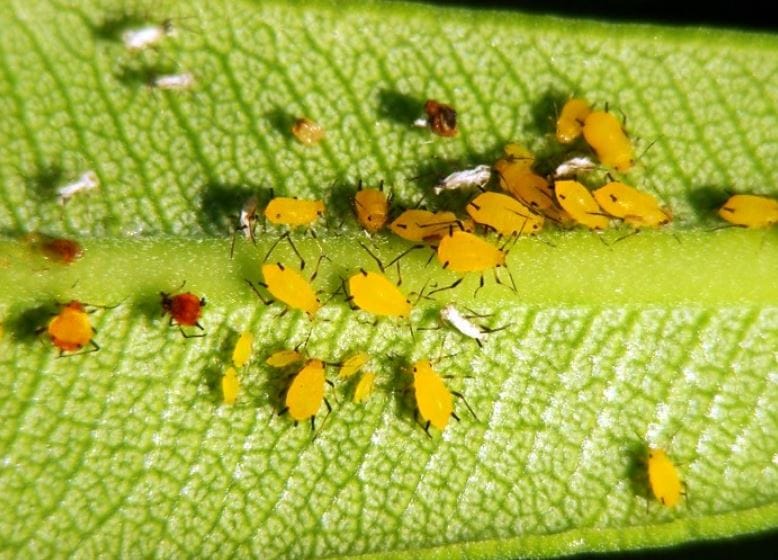
Oleander aphids (Aphis nerii), also known as milkweed aphids, are a persistent and highly specialized pest that can rapidly overwhelm ornamental plants. Characterized by their vibrant yellow-orange bodies and black appendages, these sap-sucking insects are a common sight on oleanders, milkweeds, and other members of the Apocynaceae family . Their unique reproductive strategy—where all individuals are female and give birth to live, genetically identical offspring (parthenogenetic viviparity)—allows populations to explode in a matter of days, causing significant aesthetic and physiological damage to host plants .
This guide provides a professional, multi-tiered strategy for managing oleander aphid infestations, ranging from mechanical removal to biological control and chemical intervention.
Understanding Your Adversary: Life Cycle and Damage
Before implementing control measures, it is crucial to understand the biology of the oleander aphid. This knowledge informs the most effective and timely interventions.
- Identification: Look for dense clusters of bright yellow to orange insects, 1.5 to 2.6 mm long, with black legs, cornicles (tail-pipes), and antennae. Both winged and wingless forms exist, with winged adults developing when colonies become overcrowded .
- Reproduction: All oleander aphids are female. They give birth to live nymphs that mature in about 25 days, with each adult capable of producing up to 12 nymphs per day. This leads to exponential population growth .
- Feeding Damage: They feed on phloem sap using piercing-sucking mouthparts. This can cause leaf curling, stunted growth, and deformation of new shoots .
- Secondary Damage: They excrete a sugary, sticky substance called honeydew. This coats leaves and stems, promoting the growth of unsightly and damaging sooty mold. Sooty mold blocks sunlight, reducing photosynthesis .
The Integrated Pest Management (IPM) Approach
The most sustainable and effective way to manage oleander aphids is through Integrated Pest Management. This approach prioritizes the least toxic and most targeted methods to minimize harm to beneficial insects and the environment. The following sections detail methods from the least to most invasive.
1. Mechanical and Physical Controls: The First Line of Defense
For light to moderate infestations, physical removal is highly effective and poses zero risk to the environment or beneficial insects.
2. Biological Control: Enlisting Natural Predators
Oleander aphids have numerous natural enemies. Encouraging these predators is a cornerstone of sustainable pest management.
3. Chemical Controls: Organic and Synthetic Options
When physical and biological controls are insufficient, chemical intervention may be necessary. Always choose the least toxic option and follow all label instructions.
Critical Consideration: Protecting Monarch Butterflies
For gardeners cultivating milkweed to support monarch butterfly populations, controlling oleander aphids presents a unique challenge. Common chemical controls are often lethal to monarch eggs and caterpillars .
- Recommended Approach: Physical removal (water blast or hand-squishing) is the safest and most effective method for removing aphids from milkweed while ensuring monarch safety .
- A Controversial Perspective: Research suggests that heavy aphid infestations might not be as detrimental to monarchs as previously thought. One study found that monarch caterpillars on plants with aphids actually weighed 37.7% more than those on aphid-free plants, possibly due to changes in the plant’s sap composition that benefit the caterpillars .
- Avoid Insecticides: Avoid using neem oil, insecticidal soap, or other sprays on milkweed unless absolutely necessary, as they will indiscriminately kill monarch larvae .
Conclusion: Implementing a Successful Control Strategy
Effective management of oleander aphids hinges on early detection and a combination of tactics. Begin monitoring plants regularly, especially during the warm growing season. Start with the least invasive methods—such as water blasting or hand removal—and escalate to biological or chemical controls only when infestations are severe and threaten plant health.
- Monitor: Regularly inspect susceptible plants for bright yellow colonies, especially on new shoots and buds.
- Start Gentle: For small outbreaks, use a strong water spray or physically remove the aphids.
- Enlist Allies: Encourage natural predators by avoiding broad-spectrum insecticides.
- Choose Wisely: If chemical control is needed, select the most targeted option. Insecticidal soaps and neem oil are effective with a lower environmental impact than systemic or broad-spectrum insecticides. Always consider the potential impact on non-target species, particularly monarch caterpillars.