Root Aphids or Soil Mites? A Definitive Guide to Identification and Management
Few discoveries unsettle a gardener quite like the sight of tiny creatures moving through the soil or clustering around a plant’s roots. The natural next question is whether these organisms are a threat to plant health or a sign of a thriving ecosystem.
This guide provides a definitive, science-based comparison of root aphids and soil mites, equipping you with the knowledge to distinguish between these two common soil inhabitants and act appropriately.
The Fundamental Distinction: Pest vs. Beneficial Organism
The most critical difference between root aphids and soil mites lies in their ecological role. Root aphids are destructive pests that feed on plant sap, directly harming the host plant . Conversely, the vast majority of soil mites are beneficial decomposers or predators that contribute to soil health and do not damage living plants .
Misidentifying one for the other can lead to ineffective or even harmful treatments. Applying pesticides to eliminate beneficial soil mites can disrupt the soil ecosystem, while failing to address a root aphid infestation can lead to the decline or death of the plant .
Detailed Comparison: Root Aphids vs. Soil Mites
To accurately identify which organism is present in your soil, a close inspection with a magnifying glass or microscope is invaluable. The following table synthesizes key diagnostic characteristics from entomological and horticultural sources.
Identifying Root Aphids: A Closer Look
Physical Characteristics
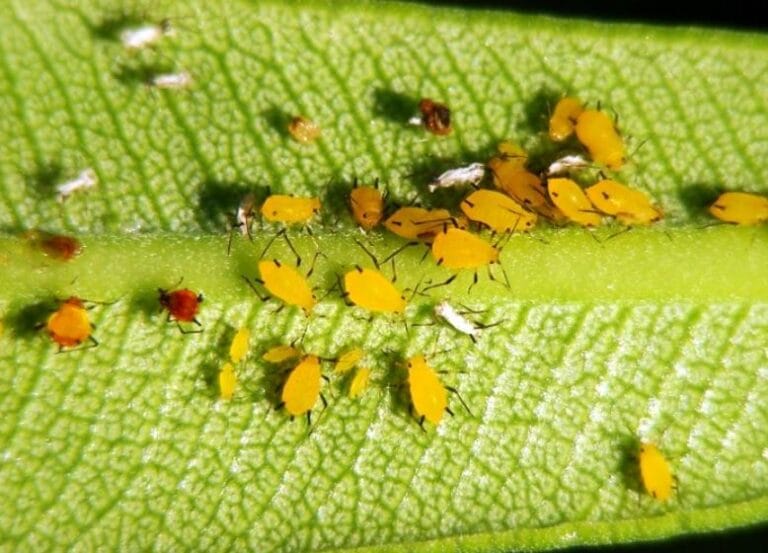
Root aphids are small, soft-bodied insects. They have six legs and prominent antennae protruding from their heads. Their pear-shaped bodies are often compared to the common aphids found on leaves, but they are adapted for a subterranean life . Some species develop wings during certain life stages, allowing them to spread to new plants .
Signs of Infestation
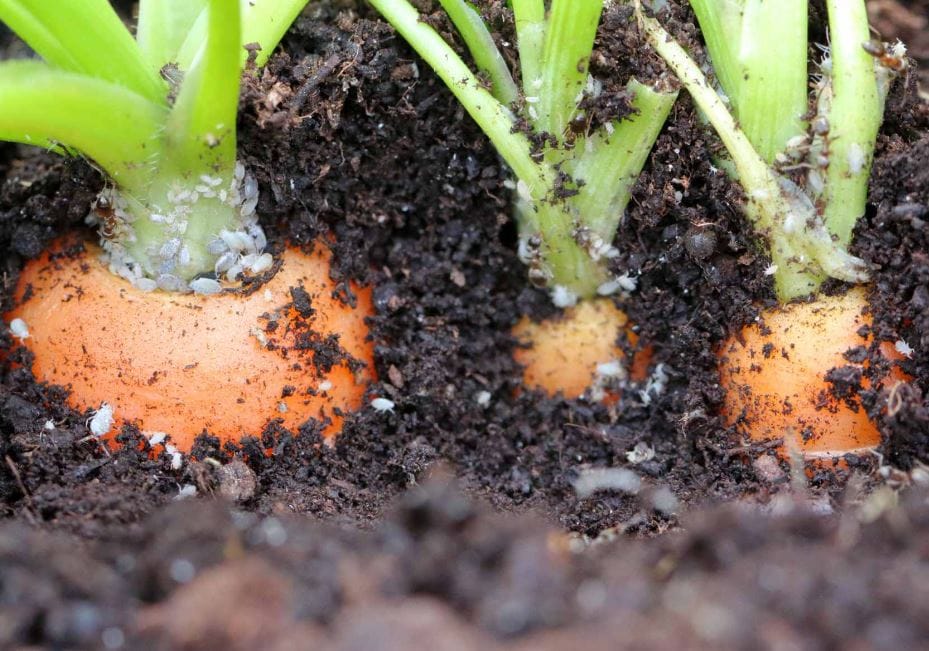
Because they live in the soil, root aphid infestations are often detected through the plant’s symptoms before the pest itself is seen. Key indicators include :
- Wilting and Stunting: Plants lose vigor and show signs of nutrient and water stress, often resembling drought damage.
- Yellowing and Curling Leaves: Foliage becomes discolored and distorted.
- Reduced Growth: Fruits and flowers are smaller than expected.
- Waxy Secretion: A white, cottony substance on the roots and surrounding soil is a strong sign .
- Ant Activity: A significant number of ants around the base of a plant often indicates the presence of sap-feeding insects like root aphids .
According to the Royal Horticultural Society, good plant care, such as proper watering and feeding, can help alleviate the stress caused by these aphids .
Identifying Soil Mites: Friends, Not Foes
Physical Characteristics
Soil mites are arachnids, making them relatives of spiders and ticks. They are distinguished by their eight legs and oval, unsegmented bodies . They are usually very small—often less than 1 mm—and move quickly through the soil .
A Sign of a Healthy Ecosystem
The presence of soil mites is generally an indicator of good soil health. Their beneficial roles include :
- Decomposition: They are primary decomposers, breaking down complex organic matter (dead leaves, roots) into nutrients plants can absorb.
- Nutrient Cycling: Their feeding activity releases essential elements like nitrogen and phosphorus back into the soil.
- Pest Control: Predatory soil mites help control populations of other small pests, such as thrips and fungus gnat larvae.
- Soil Aeration: Their movement through the soil creates channels that improve air and water penetration for plant roots.
The Environmental Literacy Council notes that these mites are not harmful to humans and do not transmit diseases . They are an essential part of the soil food web.
Conclusion: The Critical Assessment
The decision on whether to act upon finding small organisms in your soil hinges entirely on accurate identification.
If your inspection reveals small, pear-shaped insects with six legs congregating on the roots and causing your plant to wilt or yellow, you are dealing with root aphids. This situation requires intervention, which can range from washing the roots and repotting to using biological controls or approved pesticides .
If you observe tiny, fast-moving bugs with eight legs inhabiting the soil and decaying organic matter, you have found soil mites. They are a beneficial part of your garden’s ecosystem and should be left undisturbed to perform their vital roles .
The simple act of looking closely—counting legs and observing behavior—is the key to determining whether the creatures in your soil are a problem to be solved or an ally to be nurtured.