The Comprehensive Guide to Aphids on Sunflowers: Identification, Management, and Control
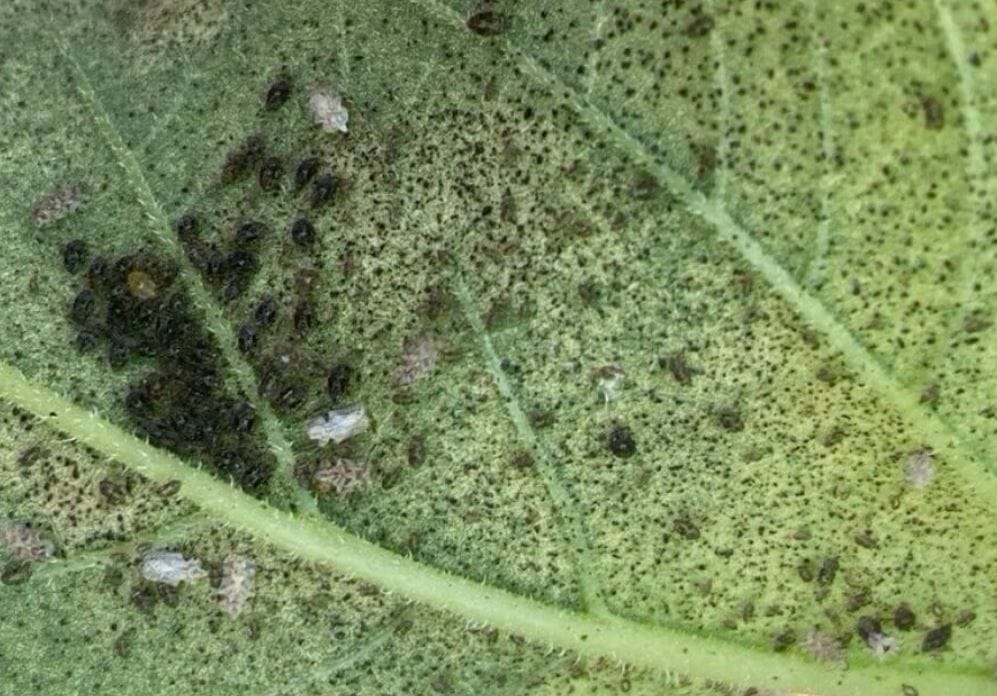
Sunflowers (Helianthus annuus) are iconic plants that command attention in gardens and agricultural fields alike. However, their stature and vibrancy also make them a prime target for various pests, with aphids being among the most common and potentially damaging . These sap-sucking insects can rapidly colonize sunflowers, leading to stunted growth, distorted leaves, and reduced yields. For both the home gardener and commercial grower, understanding the biology of these pests and implementing a strategic management plan is essential for maintaining healthy, robust sunflowers.
This guide provides a comprehensive overview of aphids on sunflowers, covering identification of primary species, the nature of the damage they inflict, and a tiered approach to control that integrates cultural practices, biological agents, and chemical interventions. As one expert notes, “Prevention is often easier than treatment,” making proactive management a cornerstone of effective control .
Identifying Aphids on Sunflowers
Early detection is critical for managing aphid populations. Aphids are small, soft-bodied, pear-shaped insects that vary in color. On sunflowers, they are commonly found in colonies on the undersides of leaves, along stems, and sometimes within the ray florets of the blooms . A straightforward indicator of their presence is the sticky substance they excrete, known as honeydew. This residue often coats the upper surfaces of leaves, giving them a shiny appearance and can lead to the growth of unsightly black sooty mold .
Key Species and Morphological Identification
While the generalist “sunflower aphid” is common, several specific species may infest sunflowers, belonging to the Asteraceae family. The table below synthesizes data from a recognized identification key to differentiate the primary aphid species found on sunflowers .
Damage Assessment and Economic Thresholds
Aphids damage sunflowers by piercing plant tissues and extracting nutrient-rich sap. This feeding can cause a cascade of negative effects:
- Stunted Growth and Wilting: Severe infestations deprive the plant of essential nutrients, leading to overall decline .
- Leaf Curling and Distortion: Saliva injected during feeding can be toxic to the plant, causing malformation of new growth .
- Reduced Seed Yield: For commercial growers, the economic impact is a primary concern. Research indicates that economically significant yield losses occur when aphid populations exceed 100 aphids per plant at the budding stage . This threshold provides growers with a critical window to monitor populations and implement treatment before significant damage occurs.
Control and Management Strategies
A successful management plan utilizes an Integrated Pest Management (IPM) approach, combining multiple strategies for sustainable and effective control.
1. Cultural and Physical Controls
The first line of defense involves simple, non-chemical methods.
- Water Spray: A forceful stream of water from a hose can dislodge aphids from the plant. Once knocked off, they are often unable to climb back . This is a safe and effective method for minor to moderate infestations.
- Companion Planting: Aphids are repelled by strong-smelling plants. Interplanting sunflowers with garlic, chives, or flowering onions can help deter them .
- Avoid Over-Fertilizing: Aphids are attracted to lush, new growth. Over-fertilizing sunflowers, particularly with nitrogen-rich products, creates an ideal feeding environment for aphids .
2. Biological Control: Leveraging Natural Enemies
Biological control is one of the most effective and environmentally friendly ways to manage aphid populations. By encouraging or introducing natural predators and parasitoids, you can create a self-sustaining control system.
- Predators: Lady beetles (ladybugs) are voracious aphid feeders. A single lady beetle larva can consume up to 100 aphids per day, often keeping populations below economically damaging levels . Other beneficial predators include lacewings, syrphid flies (hoverflies), and certain birds .
- Parasitoids: Tiny wasps, such as Lysiphlebus testaceipes and Aphelinus species, are natural enemies that lay their eggs inside aphids . The developing wasp larva consumes the aphid from the inside, turning it into a hardened “mummy.” Research has documented that parasitism rates can be substantial, with one study showing emergence rates of parasitoid adults from field-parasitized aphids as high as 79.1% to 100% . This highlights the significant role these beneficial insects play in natural control. The presence of predators and parasitoids often correlates with higher aphid densities, as they are attracted to areas of high prey abundance .
3. Chemical Controls
When pest populations exceed economic thresholds and natural control is insufficient, chemical intervention may be necessary. It is crucial to select targeted products to minimize harm to beneficial insects and pollinators.
A field study comparing treatment methods on sunflower plants demonstrates the relative impact of different control strategies on aphid population and damage severity over two growing seasons .
Table 2: Comparative Efficacy of Aphid Control Methods on Sunflowers
| Treatment | Aphid Population (Season 1) | Damage Severity (Season 1) | Aphid Population (Season 2) | Damage Severity (Season 2) |
|---|---|---|---|---|
| Water (Untreated Control) | Highest (3.96a) | Highest (2.93a) | Highest (3.65ab) | Highest (2.63a) |
| Biomagic | Moderate (3.55ab) | Moderate (2.80a) | High (3.70a) | High (2.60ab) |
| Metarril | Moderate (3.18ab) | Moderate (2.47a) | Moderate-Low (2.83abcd) | Moderate (2.51ab) |
| Alpha-cypermethrin | Lowest (2.04cde) | Lowest (1.53bc) | Lowest (1.65e) | Lowest (1.68c) |
Note: Means followed by the same letter within a column and within a season are not significantly different (p ≤ 0.05).
As the data indicates, while the synthetic insecticide provided the most significant reduction in both aphid numbers and plant damage, the biological products (Biomagic, Metarril) and even simple water sprays offered measurable control. This reinforces the value of starting with the least toxic, most selective methods.
Long-Term Prevention and Healthy Growth
Building resilience in your sunflowers is the best long-term strategy.
- Maintain Soil Health: Healthy soil produces robust plants that are better able to withstand and recover from pest pressure. Use well-draining soil enriched with organic matter .
- Promote Biodiversity: A garden that supports a diverse population of beneficial insects is a garden that is naturally resistant to pest outbreaks. Planting a variety of flowering plants, including herbs like dill and cilantro, can attract and sustain the natural enemies of aphids .
- Regular Monitoring: Conduct frequent, thorough inspections of your sunflower plants. Pay close attention to the undersides of leaves and the growing tips, where aphids often congregate. Early detection allows for quick, simple interventions before populations explode.