The Definitive Guide to Crepe Myrtle Aphid Treatment: Identification, Control, and Prevention
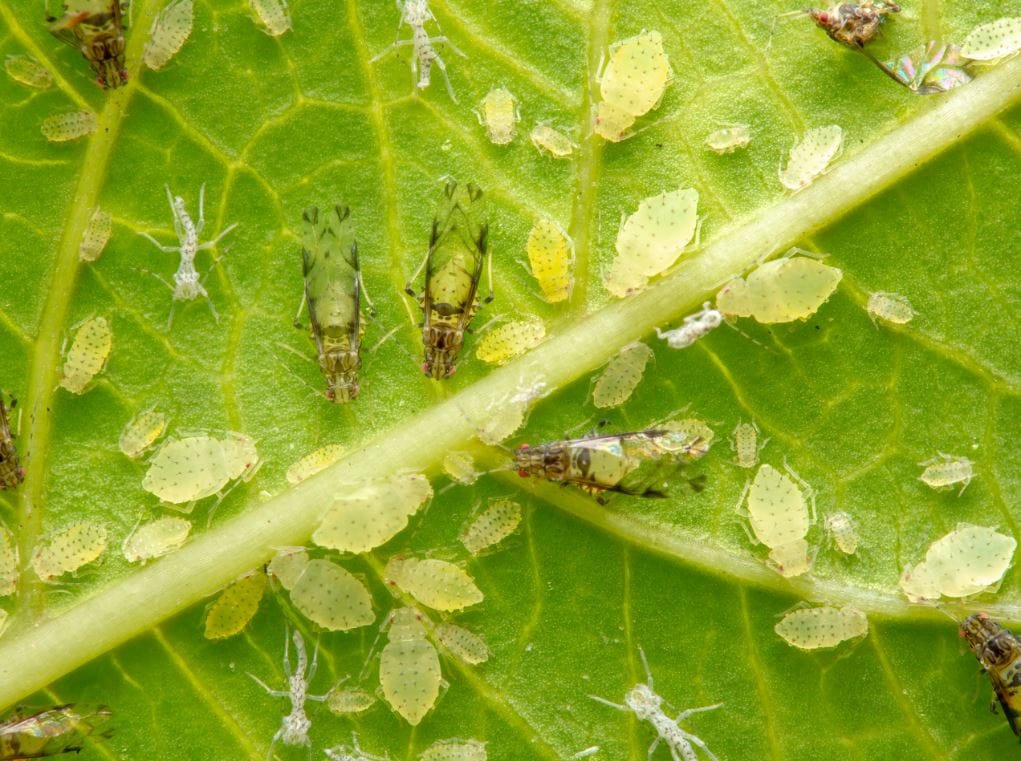
Crepe myrtles (Lagerstroemia spp.) are prized for their vibrant summer blooms, attractive bark, and ornamental form. However, these beloved landscape trees are susceptible to a persistent pest: the crepe myrtle aphid (Sarucallis kahawaluokalani). While primarily a cosmetic nuisance, severe infestations can compromise plant vigor and detract from aesthetic value. This comprehensive guide provides a professional, research-backed approach to identifying, treating, and preventing crepe myrtle aphid infestations.
Understanding the Crepe Myrtle Aphid
The crepe myrtle aphid is a tiny, sap-sucking insect that specifically targets crepe myrtle trees . These pests are typically pale yellow-green in color and measure only 1.2 to 1.8 millimeters in length . They primarily feed on the undersides of leaves and on tender new growth, inserting their needle-like mouthparts into plant tissues to extract nutrient-rich sap .
Life Cycle and Seasonal Activity
Crepe myrtle aphids overwinter as eggs and typically hatch in April, with populations peaking during July and early August . Both winged and wingless forms are present during active months, allowing for rapid population expansion and dispersal to neighboring trees . The aphid’s reproductive capacity is remarkable—they give birth to live nymphs throughout summer, enabling explosive population growth under favorable conditions .
Damage Symptoms
The primary damage from crepe myrtle aphids manifests through:
- Leaf Distortion and Yellowing: Heavy feeding causes leaves to curl, distort, and develop chlorotic (yellow) patches .
- Stunted Growth: New shoots may become twisted and fail to develop properly .
- Honeydew Production: As aphids digest sap, they excrete a sugary, sticky substance called honeydew .
- Sooty Mold Development: Honeydew drips onto leaves and surfaces below, promoting the growth of black, powdery sooty mold fungi .
The Sooty Mold Problem
Sooty mold is often the first visible sign homeowners notice. This black fungal growth does not directly infect the tree but blocks sunlight from reaching leaves, potentially reducing photosynthesis and causing premature leaf drop . The honeydew can also coat patios, vehicles, and outdoor furniture beneath infested trees, creating a significant nuisance .
Differential Diagnosis: Aphids vs. Bark Scale
Crepe myrtle aphids are frequently confused with Crepe Myrtle Bark Scale (CMBS), a separate pest that has become increasingly prevalent . Accurate identification is essential for selecting effective treatment:
This distinction matters because systemic treatments effective against aphids may also be necessary for scale, but biological controls differ significantly .
Treatment Strategies: A Tiered Approach
Tier 1: Cultural and Mechanical Control
High-Pressure Water Spray
A strong blast from a garden hose can physically dislodge aphids from foliage and tender shoots. Research from Oklahoma State University and Southern Living experts confirms this as an effective first-line treatment, though it may need to be repeated every few days until aphid populations subside .
Advantages: Zero chemical residue, safe for beneficial insects, immediate results.
Limitations: Temporary effect, requires access to foliage, may not reach all infested areas.
Tier 2: Biological Control
Natural Predators
Crepe myrtle aphids have numerous natural enemies that can provide effective population suppression . Key predators include:
- Ladybugs (Coccinellidae)
- Green lacewings (Chrysopidae)
- Hoverflies (Syrphidae)
- Minute pirate bugs (Anthocoridae)
Planting pollinator-friendly flowers near crepe myrtles can attract and sustain these beneficial insects . Research from LSU suggests that maintaining some aphids on trees helps sustain viable predator populations, which then regulate future outbreaks .
Important Caution: Broad-spectrum insecticides often kill these beneficial predators while having limited impact on aphid populations. As NC State Extension notes, aphids often outbreak precisely because insecticides have disrupted their natural enemies .
Tier 3: Biorational Products
Insecticidal Soap and Horticultural Oil
For more serious infestations, insecticidal soap or horticultural oil offers effective control with lower environmental impact than synthetic chemicals . These products work by coating and suffocating aphids on contact.
Application Guidelines:
- Apply according to label instructions
- Spray in late evening when pollinators are not active
- Test on a small area first to check for phytotoxicity
- Multiple applications may be necessary
Critical Limitations:
- These products are nonselective and will kill any insect they coat, including beneficial predators
- They provide no residual protection—once dry, they have little to no effect on insects that arrive later
- Horticultural oils have temperature restrictions—avoid application during hot summer conditions
Tier 4: Systemic Insecticides
Soil Drench Applications
For persistent or severe infestations, systemic insecticides applied as soil drenches offer the most reliable long-term control . These products are absorbed by roots and translocated throughout the tree, making the foliage toxic to feeding insects .
Key Considerations:
Professional Guidance: A soil drench with azadirachtin (a neem oil component) makes the entire plant toxic to foliage-feeding insects . University Extension experts cannot guarantee that beneficial insects will not be harmed, though systemic application minimizes direct contact with predators .
Treatment Recommendations by Infestation Severity
| Severity Level | Recommended Approach | Expected Timeline |
|---|---|---|
| Minor (occasional aphids, no visible damage) | Hose spray, monitor for beneficial insects | 1-2 weeks |
| Moderate (visible aphid colonies, some sooty mold) | Hose spray + insecticidal soap; encourage predators | 2-4 weeks |
| Severe (heavy sooty mold, leaf distortion, sticky residue) | Horticultural oil (temperature permitting) or systemic drench | 4-6 weeks for systemic to fully distribute |
Prevention and Long-Term Management
Resistant Cultivars
Some crepe myrtle cultivars show reduced susceptibility to aphid infestations. Consulting with local horticulturists about resistant varieties can reduce future pest pressure .
Monitoring
Regular inspection, particularly from May through September, allows early intervention before populations explode . Check the undersides of leaves, especially on new growth.
Enhancing Predator Habitat
Planting nectar and pollen-rich flowers near crepe myrtles sustains natural enemy populations . Queen Anne’s lace and coneflowers are excellent choices .
Avoiding Disruption
Minimize broad-spectrum insecticide use that kills predators and parasitoids. As NC State Extension emphasizes, aphid outbreaks often occur precisely when natural enemies have been disrupted by pesticide applications .
When to Seek Professional Help
Professional arborist or certified pesticide applicator assistance may be warranted when:
- Trees are too tall for homeowner equipment
- Aphid populations persist despite multiple treatment attempts
- Bark scale is also present
- Trees show significant canopy dieback
Conclusion
Crepe myrtle aphid management requires a thoughtful, integrated approach that balances immediate control with long-term ecological sustainability. Physical removal with water, encouragement of natural predators, and judicious use of biorational products offer effective solutions for most situations. Systemic insecticides remain a valuable tool for severe cases, but their use should be weighed against potential ecological consequences. With proper identification and timely intervention, crepe myrtles can remain the stunning landscape specimens they were meant to be.