The Definitive Guide to Eliminating Aphids During Flowering: A Strategic Guide for the Discerning Gardener
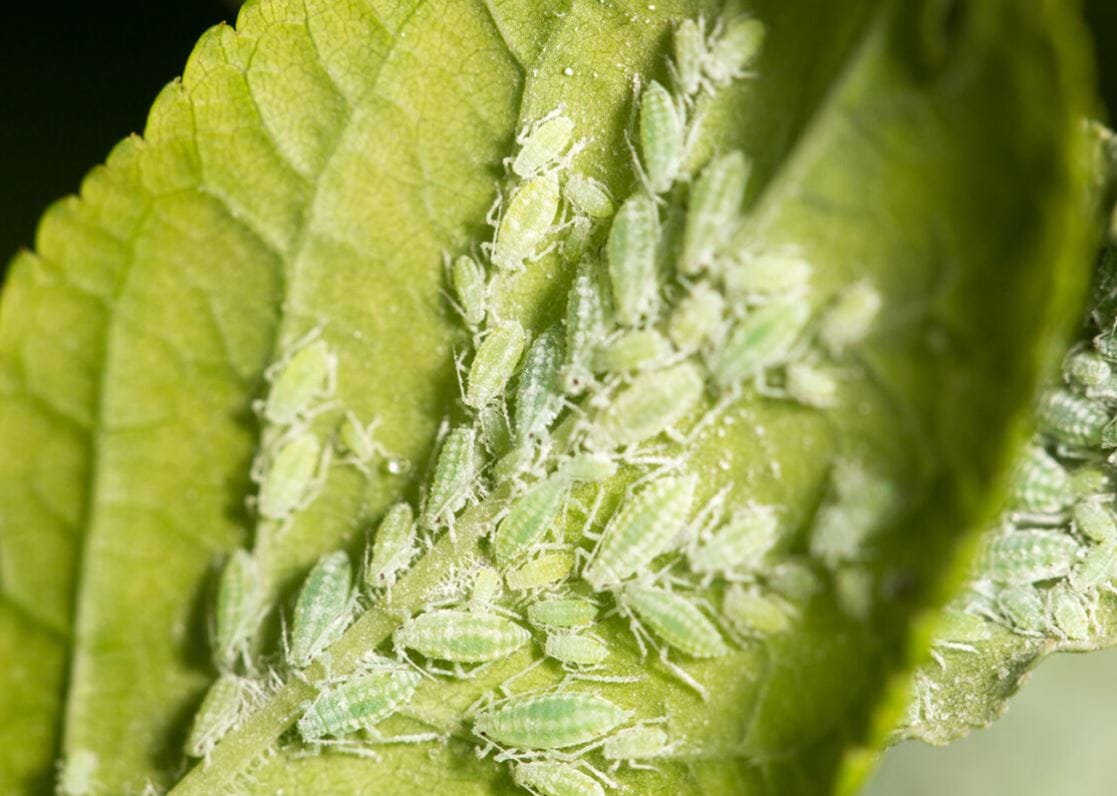
The flowering stage is the crescendo of a gardener’s labor—the moment when foliage gives way to the vibrant colors and structures that signify success. However, this critical period is also a prime target for one of the most common and persistent garden pests: the aphid. These small, soft-bodied insects can cause significant damage, from deformed blooms and stunted growth to the spread of viruses and the unsightly development of sooty mold .
Addressing an aphid infestation during flowering requires a strategic and nuanced approach. The methods that are acceptable during the vegetative phase may be inappropriate or even harmful when plants are in bloom. This guide provides a comprehensive, professional strategy for identifying, managing, and eliminating aphids while protecting your flowers and the beneficial ecosystem they depend on.
Understanding the Foe: Aphids and Their Impact on Flowers
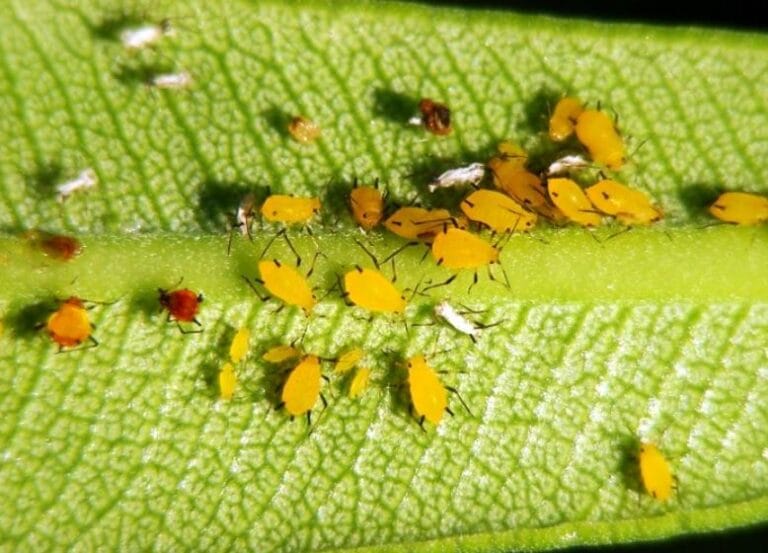
Before deploying control measures, it’s essential to understand your adversary. Aphids are small, pear-shaped insects, typically 1 to 3 mm long, with piercing-sucking mouthparts . They feed on plant sap, which can cause a cascade of problems.
Why Aphids are a Critical Threat During Flowering
- Direct Damage: As they feed, they inject saliva that can cause leaves and flower buds to become misshapen, curled, or stunted. In severe cases, flower buds may fail to open at all .
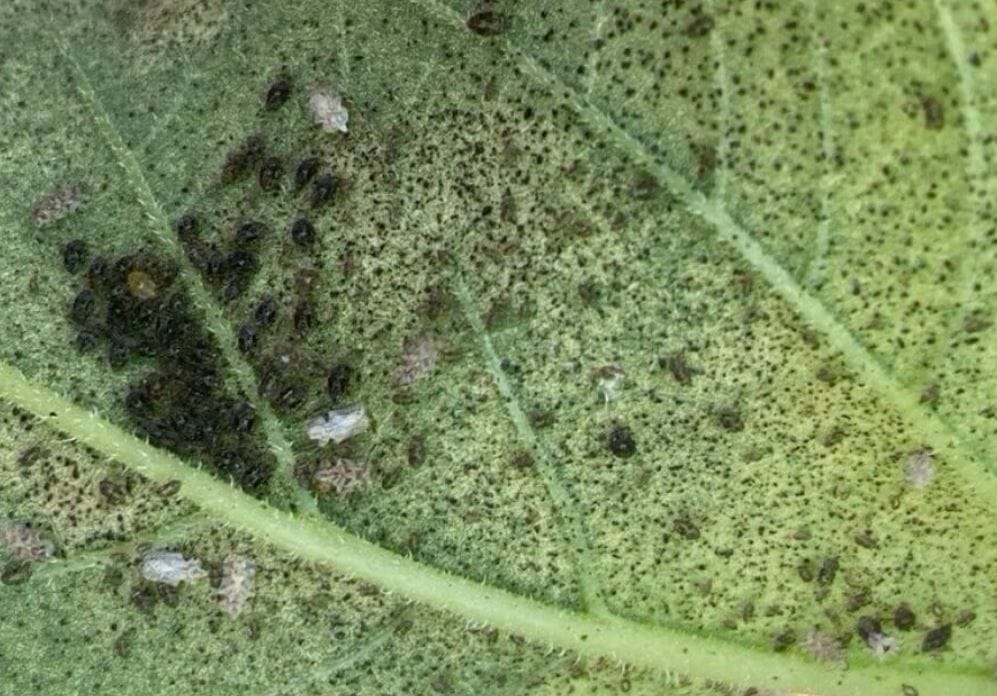
- Honeydew and Sooty Mold: Aphids excrete a sugary, sticky substance called honeydew . This substance coats the leaves and flowers, attracting ants and promoting the growth of black, unsightly sooty mold. This mold can block sunlight, reducing the plant’s ability to photosynthesize and impacting the quality of the blooms .
- Virus Transmission: Some aphid species are vectors for plant viruses, which can cause irreversible damage to the plant’s overall health and performance .
- Rapid Reproduction: Aphids can reproduce at an alarming rate, especially in cool spring weather, quickly turning a minor issue into a full-blown infestation.
The Hierarchy of Control: An Integrated Pest Management (IPM) Approach
A professional response to aphids during flowering relies on the principles of Integrated Pest Management (IPM). This strategy prioritizes the least environmentally disruptive methods first, saving more potent chemicals as a last resort.
1. Non-Chemical and Cultural Controls (First Line of Defense)
Tolerance and Observation: In a balanced garden, a small number of aphids are not a disaster. The Royal Horticultural Society (RHS) advises that it is normal to have some aphids, as they are a vital food source for a wide range of beneficial wildlife . Frequent monitoring allows for early intervention, preventing populations from reaching damaging levels .
Physical Removal:
- Strong Water Spray: A forceful stream of water from a hose can dislodge aphids from flower stalks and buds . This is remarkably effective and causes no lasting harm to the plant. Repeat every 2-3 days for two weeks to break the lifecycle .
- Pruning: For localized infestations on young shoots or flower buds, simply pruning and removing the affected parts can be highly effective .
Cultural Practices:
- Nitrogen Management: Avoid over-fertilizing with high-nitrogen products. High nitrogen levels promote soft, sappy new growth, which is particularly attractive to aphids. Opting for a slow-release or low-nitrogen formula can help make plants less susceptible .
2. Biological Controls (Promoting Natural Enemies)
One of the most effective and sustainable ways to manage aphids is to encourage their natural predators. A healthy garden is a self-regulating one.
Encouraging Natural Predators:
- Ladybirds (Ladybugs) and their Larvae: Both adults and larvae are voracious aphid predators, with larvae consuming up to 100 aphids per day .
- Lacewing Larvae: These are also excellent predators of aphids .
- Hoverfly Larvae: Often overlooked, these maggot-like larvae are also highly effective at controlling aphid populations .
- Parasitoid Wasps: These tiny wasps lay their eggs inside aphids, effectively acting as a natural control from the inside out .
Creating a Beneficial Habitat: To attract and retain these beneficial insects, consider planting companion plants like alyssum or yarrow near your flowering plants. These provide nectar and pollen for adult insects, encouraging them to stay and lay their eggs .
Purchasing Biological Controls: For greenhouse or high-value crops, biological control agents can be purchased and introduced.
- Ladybird Larvae: Deploy 5 larvae per medium-sized plant or 10-20 per square meter, reapplying every 2-3 weeks as they mature .
- Lacewing Larvae: Effective at temperatures above 15°C .
A critical note: Manage ant populations. Ants are known to “farm” aphids, protecting them from predators in exchange for honeydew. If ants are present, they will actively drive off ladybirds and other beneficial insects .
3. Chemical Controls (The Last Resort)
The use of chemical pesticides should be the final option. Many common insecticides are non-selective and will kill beneficial insects, often making the aphid problem worse . Furthermore, applying certain chemicals during flowering can harm or kill essential pollinators like bees.
When chemical intervention is unavoidable, choose the product with the most selective profile and the least impact on the environment.
Table 1: Chemical Control Options and Their Selectivity
The following table synthesizes information on various active ingredients used for aphid control, highlighting their selectivity and potential risks to beneficial insects and aquatic life.
Key Takeaway on Chemical Use:
Aphids are notoriously difficult to control with chemicals alone due to their rapid reproduction rates . An effective chemical strategy requires:
- Correct Timing: Apply treatments as soon as the first aphids are observed, before populations explode .
- Thorough Coverage: Ensure the spray reaches all parts of the plant, especially the undersides of leaves and the bases of flower buds .
- Product Rotation: To prevent resistance, avoid using the same chemical repeatedly. Rotate between products with different modes of action.
- Protecting Pollinators: Ideally, apply treatments at dusk or dawn when bees are less active. Never spray open flowers with products that are toxic to bees .
Strategic Decision Matrix: What to Use and When?
To simplify the decision-making process, the following matrix can guide your choice based on the severity of the infestation and the stage of flowering.
Conclusion: Protecting the Bloom, Preserving the Balance
Aphid control during flowering is a delicate balancing act. The goal is not only to protect the current season’s flowers but also to preserve the health of the garden ecosystem for the future. An IPM strategy that prioritizes physical removal, biological control, and careful cultural practices is always the most sustainable path forward .
When chemical intervention is unavoidable, the data are clear: broad-spectrum synthetic pyrethroids should be a last resort due to their devastating impact on beneficial insect populations . Instead, opt for more selective and less harmful options like insecticidal soaps, or targeted chemistries such as flonicamid, which offer control while minimizing collateral damage .
Ultimately, the most effective weapon in the battle against aphids is vigilance. Regular monitoring, early intervention, and fostering a biodiverse garden are the cornerstones of a professional, responsible, and successful approach to pest management during the critical flowering phase.