Why Termite Control in Waco, TX Should Start Before Damage Appears
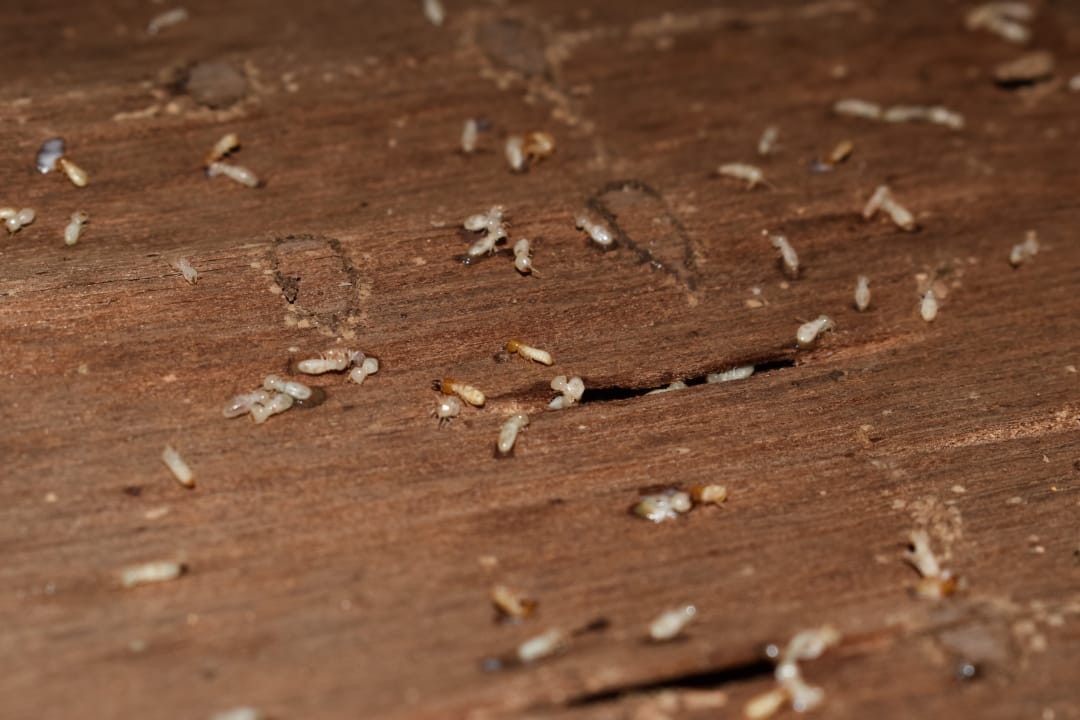
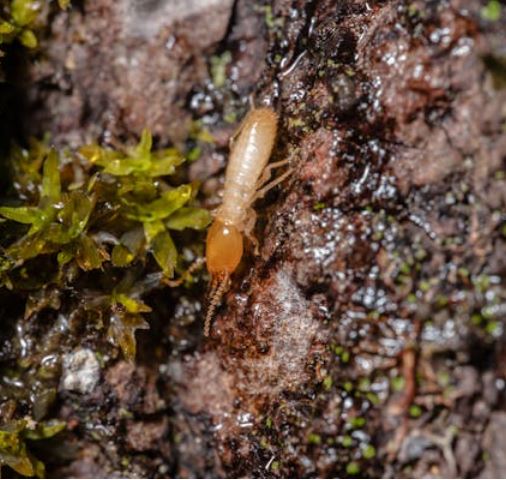
Termites are one of the most expensive pest problems a homeowner can face. Unlike ants, spiders, or roaches, termites often work quietly behind the scenes. They may be active inside walls, flooring, wooden framing, or foundation-adjacent areas long before visible damage appears. By the time a homeowner notices warning signs, the colony may already be well established.
That is why termite protection in Waco should be treated as a prevention and inspection issue, not just an emergency response. Central Texas offers the kind of warm, humid conditions termites need to stay active, and many homes in the area have soil, moisture, landscaping, and structural features that can increase risk.
For homeowners looking into termite control Waco, TX, the most important step is understanding how termite activity begins, what signs to watch for, and why professional treatment is different from basic DIY pest control.
Why Waco Homes Are at Risk for Termites
Termites thrive in conditions where moisture, wood, and soil access are available. Waco’s climate and landscape can create these conditions naturally, especially around homes with irrigation, poor drainage, wood-to-soil contact, or aging construction materials.
Common termite risk factors include:
- Moist soil near the foundation
- Wood touching the ground
- Leaking outdoor faucets or plumbing
- Poor drainage around the home
- Mulch placed too close to the structure
- Firewood stored near exterior walls
- Cracks around the foundation
- Untreated wooden decks, fences, or posts
- Crawl spaces with poor ventilation
- Old tree stumps or buried wood near the home
Termites do not need a large opening to become a problem. They can enter through small cracks, hidden gaps, or soil contact points around the structure.
Why Termite Damage Is Often Discovered Late
One of the main reasons termites are so destructive is that they are difficult to detect early. They often stay hidden because exposure to open air can dry them out. Subterranean termites, in particular, usually travel through mud tubes or protected areas to reach food sources.
Homeowners may not realize termites are present until they notice:
- Mud tubes along the foundation
- Hollow-sounding wood
- Bubbling or uneven paint
- Soft or damaged trim
- Discarded wings near windows or doors
- Swarming insects indoors or near the home
- Sagging floors or weakened wood
- Small holes or damaged wood surfaces
Even then, the visible signs may represent only a portion of the activity.
Why Annual Termite Inspections Matter
Because termites can remain hidden, inspections are one of the most important parts of termite protection. A trained inspector can look for early signs of activity, moisture problems, vulnerable structural areas, and conditions that may attract termites.
A termite inspection may include:
- Checking the foundation
- Inspecting visible wooden structures
- Looking for mud tubes
- Reviewing moisture-prone areas
- Checking garages, porches, and patios
- Looking at crawl spaces when accessible
- Inspecting exterior wood, fences, and decks
- Identifying areas where wood touches soil
- Reviewing signs of previous termite activity
Even if no active termites are found, the inspection can help homeowners correct risk factors before an infestation begins.
Termite Control Is Different From General Pest Control
Termites require specialized treatment because they live and move differently than many common household pests. Spraying visible insects is not enough. A successful termite plan must target the colony, the structure, and the conditions that allow termites to survive.
Professional termite control may include:
- Full inspection
- Species identification
- Soil or structural treatment
- Colony elimination systems
- Wood treatment
- Moisture and drainage recommendations
- Ongoing monitoring
- Pretreatment for new construction
The goal is not only to remove current activity but also to reduce the chance of future damage.
Sentricon and Modern Termite Protection
Modern termite control often uses baiting systems designed to eliminate termite colonies at the source. These systems are installed around the structure and monitored as part of a termite protection plan.
For homeowners researching termite control in Waco, TX, systems such as Sentricon can be especially valuable because they are designed to target colony behavior rather than simply treating visible areas. This type of system creates a protective approach around the property and helps reduce termite pressure over time.
Termite baiting is also often viewed as a more environmentally considerate method because it uses targeted placement rather than broad treatment across unnecessary areas.
Termite Pretreatment for New Construction
Termite protection is not only for existing homes. New construction can also benefit from pretreatment. Since termite damage is usually not covered by standard homeowners insurance, builders and homeowners should think about termite prevention before construction is completed.
Pretreatment options may include:
- Treating soil before construction
- Applying products to wood framing
- Protecting foundations and structural areas
- Creating a barrier before termites have access
- Planning long-term monitoring after construction
This is especially useful in termite-prone regions like Central Texas.
Real Estate Termite Inspections
Termite inspections are also important during real estate transactions. A home may look clean and well maintained, but hidden termite activity or previous damage can affect the buyer’s decision.
A real estate termite inspection can help identify:
- Active termite activity
- Previous termite damage
- Moisture problems
- Wood-destroying insect concerns
- Structural risk factors
- Conditions that may require correction
This information gives buyers, sellers, and agents more transparency before closing.
Moisture Control and Termite Prevention
Moisture is one of the biggest termite attractants. Reducing moisture around the home can significantly lower termite risk.
Helpful prevention steps include:
- Repair leaking faucets and pipes
- Keep gutters clear
- Direct water away from the foundation
- Fix drainage problems
- Avoid overwatering landscaping near the house
- Keep crawl spaces ventilated
- Repair rotted fascia, soffits, or wood trim
- Remove wood debris around the structure
These steps do not replace professional termite protection, but they support it.
Reducing Wood-to-Soil Contact
Termites often use soil contact as a pathway into wooden materials. Homeowners should maintain separation between soil and wood wherever possible.
Important steps include:
- Keep wooden siding above soil level
- Store firewood away from the home
- Avoid placing wood scraps near the foundation
- Use non-cellulose materials where possible
- Keep mulch thin and away from direct structural contact
- Inspect decks, fence posts, and wooden steps
Even small wood sources near the foundation can attract termite activity.
Why Local Experience Matters
Termite control should be based on local conditions. Waco homes face pest pressures shaped by Central Texas heat, humidity, soil, seasonal rainfall, and local termite species. A company familiar with the area can better identify risks and recommend the right treatment approach.
iPest Solutions provides pest and termite services in Waco and surrounding Central Texas communities, using inspection-based treatment plans, termite protection systems, and prevention-focused service options.
Protecting Your Home Before Termites Take Over
Termites are not a pest problem homeowners should wait to address. Early inspection and prevention are almost always easier and less costly than repairing damage after the fact.
A strong termite control plan in Waco should include professional inspection, moisture reduction, wood-to-soil prevention, targeted treatment, and ongoing monitoring when needed. With the right approach, homeowners can protect their property and reduce the risk of hidden termite damage over time.