Does a Steam Mop Kill Fleas? An Evidence-Based Technical Analysis
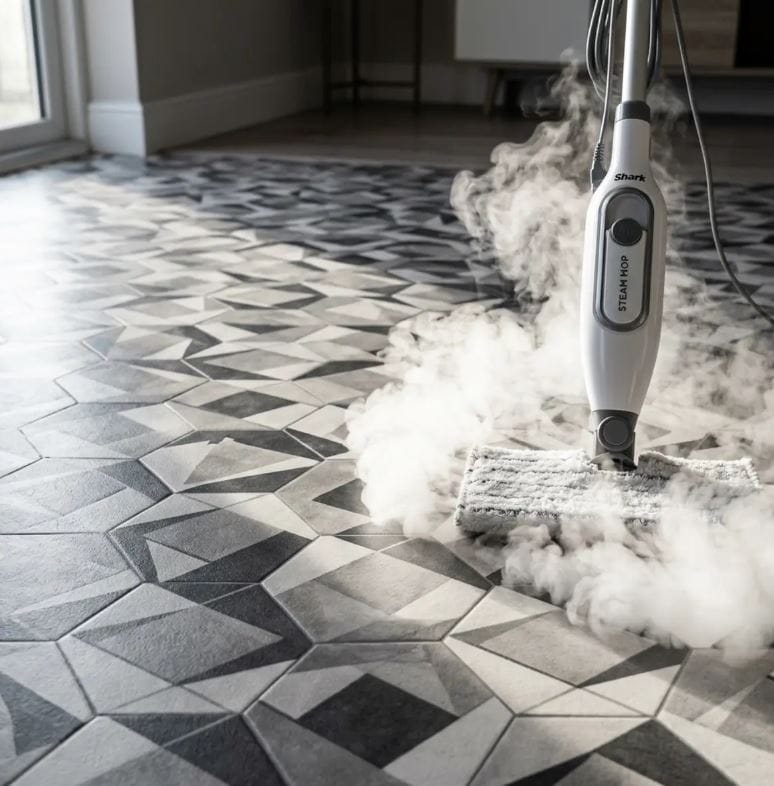
Dealing with a flea infestation requires a thorough, multi-layered strategy. Many homeowners wonder if a steam mop can be part of that solution. This article provides a comprehensive, evidence-based analysis of steam mop efficacy against fleas, examining scientific principles and practical applications.
The Verdict: Does Steam Kill Fleas?
Yes, a steam mop can effectively kill fleas, but its role is that of a powerful tool in an integrated management plan—not a standalone solution .
The underlying mechanism is straightforward: fleas, in all life stages, are highly susceptible to extreme heat. Research indicates that all flea life stages die when exposed to temperatures exceeding 100.4°F (38°C) . A typical steam mop generates steam at temperatures of approximately 200°F (93°C) or higher, far exceeding the thermal death point for fleas, eggs, larvae, and pupae .
The Science: How Steam Disrupts the Flea Life Cycle
To understand the effectiveness of steam, one must understand the flea’s life cycle. The cat flea (Ctenocephalides felis) progresses through four stages: egg, larva, pupa, and adult . This entire life cycle can be completed in as little as two weeks to several months, depending on environmental conditions .
Multiple authoritative sources, including the Environmental Protection Agency (EPA), recognize steam cleaning as an effective non-chemical method for eliminating fleas across all life stages . The University of Florida’s Institute of Food and Agricultural Sciences also confirms that the “steam-extraction carpet cleaning method should effectively destroy all stages of fleas present” .

Steam Mop vs. Professional Steam Cleaner: A Comparison
It’s important to distinguish between a household steam mop and a professional-grade steam cleaner. While both use heat, they have different applications and levels of effectiveness.
Practical Application: How to Use a Steam Mop for Flea Control
Using a steam mop effectively requires a systematic approach. Experts recommend the following protocol for maximum effectiveness :
Step 1: Comprehensive Vacuuming
Thoroughly vacuum all carpets, rugs, and upholstered furniture before steaming. This removes adult fleas, eggs, and dried blood (flea feces) that serves as food for larvae. Vacuuming alone can remove 15-27% of larvae and 32-59% of eggs from carpets . It is critical to empty the vacuum cleaner contents into a sealed bag and place it in an outdoor bin to prevent re-infestation .
Step 2: Focused Steam Application
Direct the steam mop at prime flea breeding sites: pet sleeping areas, carpets, upholstery, and along baseboards . For the steam to be lethal, you must move the mop slowly. Pest control experts recommend keeping the steam directed on a specific area for at least 30 seconds to ensure the heat penetrates deeply enough to kill all life stages .
Step 3: Laundering Bedding
Wash all pet and human bedding in hot water and dry on the highest heat setting. This combination of heat and detergent kills fleas and eggs that may have been missed by the steam mop .
Step 4: Integrated Approach
For a severe infestation, steam cleaning should be part of a broader plan that includes treating the pet with veterinarian-approved products. Steam cleaning can be particularly useful as an initial step to establish control, as it reduces large numbers of fleas without the use of chemicals .
Important Limitations to Consider
While highly effective, a steam mop has limitations in the context of a full-blown infestation:
- Infestation Eradication is a Process: The flea life cycle is complex and resilient. Some flea eggs may survive steam treatment and hatch afterward, requiring repeated cleaning sessions .
- The Ultimate Source is the Host: Adult fleas live on the pet. Without treating the animal, a continual supply of new eggs will re-infest the environment .
- Ineffective on Certain Surfaces: While useful on hardwood floors and tiles, steam mops are not designed to penetrate deep carpet fibers to the same extent as professional cleaners .
- Do Not Use on Pets: Steam mops should never be used directly on animals. The high temperatures can cause severe burns or injury. Always use veterinarian-approved treatments on pets .
Final Verdict: An Invaluable Tool, But Not a Silver Bullet
A steam mop is a powerful, chemical-free weapon in the fight against fleas. Its high-temperature steam is lethal to fleas in all life stages, making it an excellent component of an integrated pest management strategy. However, it must be combined with thorough vacuuming, frequent laundering of bedding, and appropriate treatment of all pets. By understanding its strengths and limitations, you can effectively use a steam mop to help reclaim your home from these resilient pests.