Can You Use Mop and Glo on Hardwood Floors? The Definitive Guide
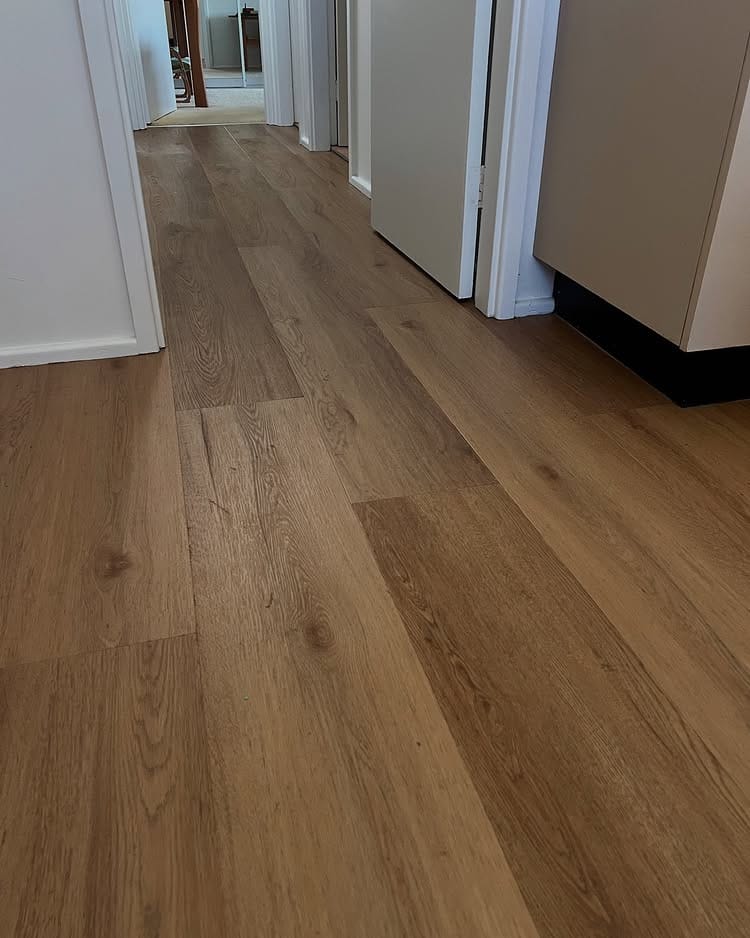
The question of whether to use Mop and Glo on hardwood floors is one that sparks significant debate among homeowners and flooring professionals alike. While this product is readily available and promises a brilliant shine, the reality is far more complex. This comprehensive guide analyzes the risks, expert opinions, and manufacturer claims to help you make an informed decision about caring for your hardwood floors.
What is Mop and Glo?
Mop and Glo is a multi-surface floor cleaner marketed as a triple-action solution that cleans, shines, and protects. According to product descriptions, its SHINE LOCK formula provides long-lasting shine and helps protect against everyday scratches . The product is advertised as safe for use on tile, vinyl, hardwood, marble, linoleum, ceramic, and no-wax floors .
Key product claims:
- Cleans away dirt in one convenient step
- Leaves a glossy, streak-free finish
- Protects against everyday scratches
- Safe for multiple floor surfaces including hardwood
However, the manufacturer includes a critical caveat: the product is not recommended for unsealed or worn wood surfaces . This distinction is crucial but often overlooked by consumers.
The Professional Consensus: A Cautionary Tale
Despite manufacturer claims, flooring professionals and testing organizations overwhelmingly advise against using Mop and Glo on hardwood floors.
Expert Recommendations Against the Product
Enhance Floors, a flooring company, explicitly lists Mop and Glo among products not to use on hardwood floors, alongside Orange Glo, Pledge, vinegar, and ammonia-based cleaners. Their reasoning is clear: such products “will dull the finish and performance of your floor” and “affect the ability to recoat your floor later” .
This sentiment is echoed across professional forums. One flooring specialist described Mop and Glo as containing oils that make it “VERY hard to buff and coat as the poly will not adhere” . When polyurethane cannot bond properly to the floor surface, subsequent recoating attempts will fail.
Consumer Reports and Good Housekeeping Guidance
Consumer Reports, a highly respected product testing organization, advises avoiding cleaners that contain wax—a key ingredient in Mop and Glo’s formulation. Such ingredients “strip the protective coating off your wood floors or leave a residue that’s difficult to remove” . Good Housekeeping’s Cleaning Lab similarly recommends against products containing waxes, oils, and furniture sprays, noting they can damage the finish .
The Hidden Danger: Build-Up and Remediation
The most significant risk with Mop and Glo is not immediate damage but cumulative build-up. Each application deposits a thin, waxy film that, over time, creates a cloudy, dull appearance that is extraordinarily difficult to remove.
User Experiences: Real-World Consequences
A Houzz discussion titled “Mop and glow ruined finish on our new wood floors” illustrates the severity of this issue:
“Before moving into our new house, the builders cleaning service cleaned our wood floors with Mop and Glo. It left a film that won’t come off. Dirt sticks and footprints show.”
In this case, flooring companies recommended sanding down to bare wood—a costly and disruptive process requiring removal of fixtures and shoe molding. A professional commenter on the thread explained the remediation process:
“A recoat may not work. If you have even a teeny, tiny amount of the Mop&Glo left over, you run the risk of having the new coat FAILING inside of a few weeks to a few months. It begins to bubble, turn white and peel like a sun burn.”
Similar experiences are documented on Home Depot product reviews, with one user stating: “PLEASE LISTEN. this product RUINS hard wood floors. My husband and I spent DAYS peeling this off our hardwood floors, honestly this product should be discontinued.”
Removal Difficulty
The waxy polymer film created by Mop and Glo is stubborn. Removal methods include:
| Method | Difficulty | Effectiveness | Risk Level |
|---|---|---|---|
| Vinegar and water solution | Moderate | Limited for heavy build-up | Low |
| Ammonia-based stripping solution | High | Effective | High—can damage finish |
| Mechanical screening with special pads | Professional | Very effective | Moderate—requires skill |
| Full sanding and refinishing | Extensive | Complete | Low—but very costly |
According to wikiHow, wood floors with multiple layers of Mop and Glo may require a damp towel and iron to loosen the film, though this carries its own risks . The manufacturer’s own instructions for removing build-up involve mixing Lysol all-purpose cleaner with ammonia—a solution that flooring experts explicitly warn against using on hardwood .
Comparison: Mop and Glo vs. Professional-Grade Cleaners
To understand why Mop and Glo is problematic, compare its characteristics against recommended hardwood floor cleaners:
| Feature | Mop and Glo | Professional Hardwood Cleaners |
|---|---|---|
| Primary Action | Leaves protective polymer/wax film | Dissolves dirt without residue |
| pH Level | Not pH-neutral (contains ammonia) | pH-neutral |
| Build-up Risk | High—accumulates with each use | None—residue-free |
| Effect on Recoating | Prevents polyurethane adhesion | No interference |
| Warranty Impact | May void manufacturer warranties | Warranty-safe |
| Recommended Brands | Not recommended | Bona, Murphy Oil Soap, Mohawk, Armstrong |
Professional-recommended hardwood cleaners include:
- Bona Hardwood Floor Cleaner—pH-neutral, residue-free, safe for all sealed hardwood
- Murphy Oil Soap—Tough on dirt, gentle on wood, nearly 100% naturally derived
- Quick Shine Hardwood Floor Luster-Polish—EPA-approved as safer for children and pets, fills scratches
- Black Diamond—Biodegradable, safe for laminate and engineered wood
Understanding Your Floor Type
Not all hardwood floors are created equal, and this affects product suitability:
Solid Hardwood Flooring
- Made from a single piece of wood
- Most expensive and most durable
- Most susceptible to damage from improper cleaners
- Can be sanded and refinished multiple times
Engineered Hardwood Flooring
- Multiple plies of wood glued together
- More stable and easier to maintain
- Cannot be sanded as many times as solid hardwood
- Mop and Glo build-up is particularly problematic as refinishing options are limited
Prefinished Hardwood
- Factory-applied finish with specific warranty requirements
- Many warranties are voided by improper cleaning products
- Manufacturer cleaning guidelines should always be followed
Proper Hardwood Floor Cleaning Protocol
For safe, effective hardwood floor maintenance, follow this professional approach:
Daily/Weekly Maintenance
| Task | Tool | Frequency |
|---|---|---|
| Dry dusting | Microfiber dust mop or soft-bristle broom | 1-2 days |
| Damp mopping | pH-neutral wood cleaner + microfiber mop | Weekly |
| Spot cleaning | Damp cloth with wood-safe cleaner | As needed |
Best Practices
- Sweep or vacuum first—Use a vacuum with a bare-floor setting and no beater bar
- Mop lightly—Wring mop thoroughly; wood should be damp, never wet
- Work in sections—3-foot square areas, always moving with the grain
- Never use—Bleach, ammonia, vinegar (undiluted), steam mops, wax-based products
How to Test a New Cleaner
Always test a new product in an inconspicuous area first, such as inside a closet or under furniture. Apply according to instructions, allow to dry, and check for discoloration or unwanted residue after 24 hours .
What to Do If You’ve Already Used Mop and Glo
If Mop and Glo has been applied to your hardwood floors, evaluate the situation:
For Light or First Application
- Clean immediately with a pH-neutral wood cleaner and warm water
- Avoid additional applications
- Monitor for dulling or residue
For Moderate Build-Up
- Consult a flooring professional for assessment
- Consider mechanical removal (screening) rather than chemical stripping
- Budget for possible recoat or refinish
For Heavy Build-Up
- Professional remediation is strongly recommended
- Full sanding and refinishing may be necessary
- Request a written contract if the cleaning service or builder is responsible
Summary Verdict
| Question | Answer |
|---|---|
| Can you use Mop and Glo on hardwood floors? | Technically yes, but professionally NOT recommended |
| Will it damage the floor? | Not immediately, but cumulative build-up causes serious issues |
| What is the main risk? | Build-up that prevents recoating and requires sanding to remove |
| What should I use instead? | pH-neutral hardwood-specific cleaners (Bona, Murphy Oil Soap) |
| Is it safe for sealed hardwood? | Manufacturer claims yes, but experts disagree |
| Will it void my warranty? | Likely, if the manufacturer prohibits wax-based products |
The Final Word
While Mop and Glo is marketed as safe for hardwood, the professional consensus is unequivocal: do not use it. The short-term shine comes at the cost of long-term floor health. The waxy polymer film it leaves behind accumulates over time, creating a cloudy residue that is difficult to remove and prevents future recoating—potentially necessitating a full sanding and refinishing project costing thousands of dollars.
Instead, invest in a pH-neutral, residue-free hardwood floor cleaner from a reputable brand. Your floors—and your wallet—will thank you in the years to come.