Do Aphids Live in Soil? An In-Depth Analysis of Subterranean Aphid Habitats
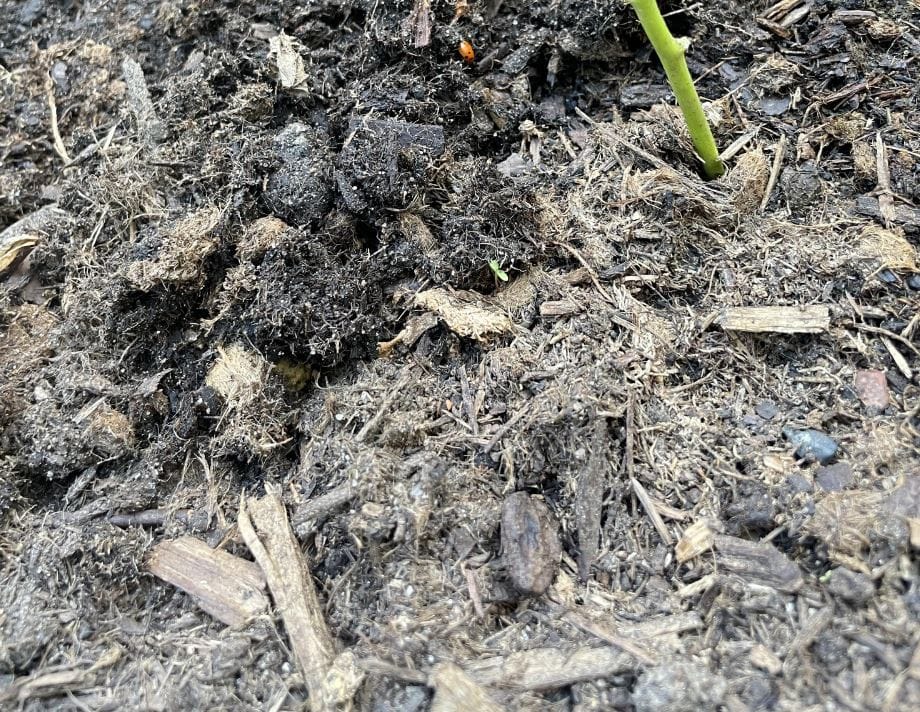
The short answer is yes, but with important distinctions. While the common greenfly or blackfly that gardeners typically spot on rose buds and tomato leaves do not reside in soil, a specific category known as root aphids has adapted to a subterranean existence. This article provides a comprehensive, professional examination of the relationship between aphids and soil, exploring the species that live underground, their life cycles, their impact on plants, and the most effective management strategies for these hidden pests.
The General Rule: Foliage Feeders
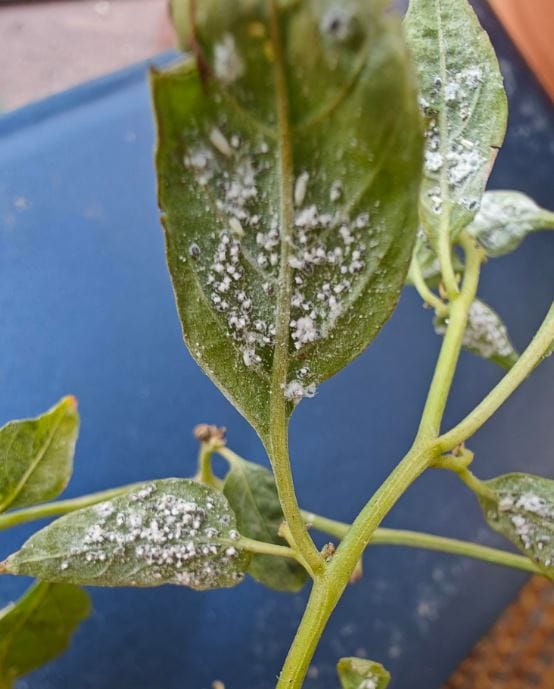
Most aphid species are sap-sucking insects that live on the aerial parts of plants. They are typically found on the undersides of leaves, the tips of new shoots, and tender buds. These pests feed on plant sap from stems and leaves and are rarely found in the soil itself. Their presence is usually signaled by leaf curling, yellowing, stunted growth, and the production of sticky honeydew. Because their lifecycle occurs above ground, the soil is not a habitat for these common species.
The Exception: Root Aphids
A distinct category of aphids, known as root aphids, has evolved to live and feed on plant roots. These insects are a significant challenge for gardeners and commercial growers because their activity is hidden from view, allowing infestations to become severe before they are detected.
Key Characteristics of Soil-Dwelling Aphids
Root aphids differ from their above-ground counterparts in several ways.
Life History of Soil-Dwelling Aphids
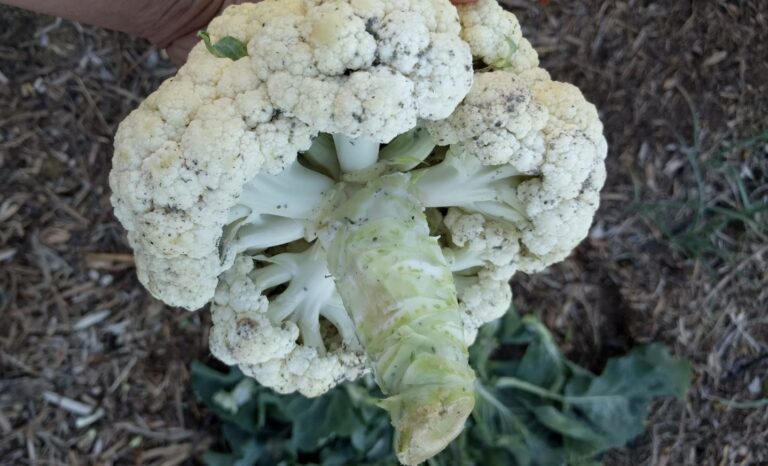
The life cycle of a soil-dwelling aphid can be complex. Many species reproduce parthenogenetically (without mating), with females giving birth to live nymphs. This allows for rapid population growth. A notable example is the cabbage root aphid, which leads a dual life. It lives on the roots of brassica crops during the winter but produces winged females in the spring that fly to cottonwood trees. There, they cause the formation of galls on the leaf petioles, where they reproduce. Later in the year, winged aphids emerge from these galls to search for new brassica hosts, returning to the soil to start the cycle again.
Another example is the rice root aphid, which completes most of its life cycle underground and can reproduce year-round indoors. In the winged stage, these aphids will emerge from the soil to colonize new plants.
How Aphids Get into Soil
Soil-dwelling aphids do not typically burrow deep into the earth. Instead, they exploit natural pathways.
- Cracks and Crevices: They move through the soil’s pore spaces and cracks to reach root systems.
- Ant Farming: Certain ant species are known to farm root aphids. They carry the aphids through their tunnels to plant roots, protect them from predators, and feed on the honeydew they produce. The ants will even protect aphid eggs through the winter. This mutualistic relationship is a primary vector for root aphids, particularly in areas where the primary plant host is absent. One species, Paracletus cimiciformis, has evolved such a close relationship with ants that it spends part of its lifecycle inside ant nests, with ants moving them to upper soil levels to warm up in spring and deeper galleries to survive winter.
- Contaminated Soil or Plants: Root aphids can be introduced to a garden through infested nursery stock, contaminated potting mix, or shared tools.
Detection and Damage Assessment
Root aphids cause damage by feeding on plant sap from the roots, which weakens the plant’s ability to uptake water and nutrients. Common symptoms of an infestation include:
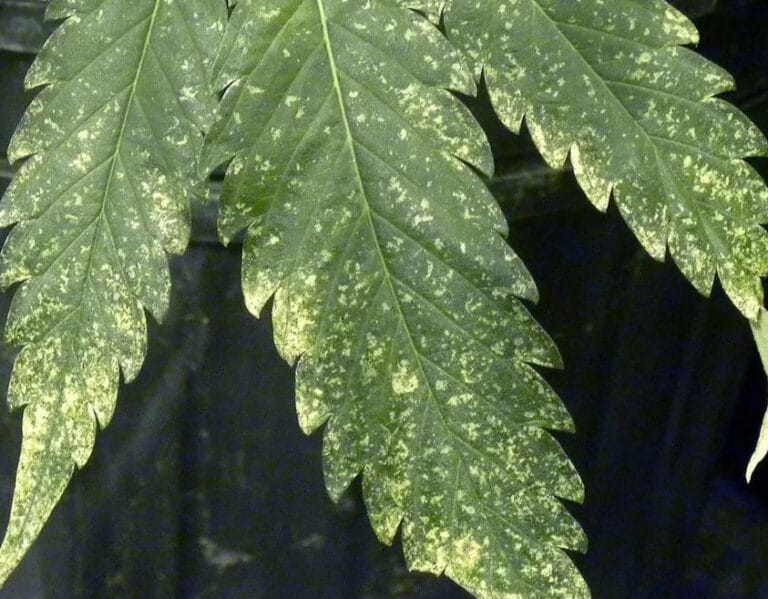
- Above-Ground Symptoms: Plants may appear wilted, stunted, or chlorotic (yellowing). The plant’s overall vigor will decline, and growth may be severely restricted.
- Root Symptoms: Upon inspection, infested roots may show knotted growths or be covered in a white, cottony material—the waxy secretion produced by the aphids for protection. However, some root aphids may leave roots with less visible damage, making infestations hard to spot until plant symptoms appear.
Distinguishing Root Aphids from Other Soil Inhabitants
It is important to differentiate root aphids from other common soil organisms. Soil mites, for instance, are small, oval-shaped creatures that move quickly through the soil. They are generally beneficial decomposers and do not harm plants. In contrast, root aphids are pear-shaped, soft-bodied insects that tend to stay on or near the roots, moving more slowly.
Management Strategies
Managing soil-dwelling aphids requires an integrated approach due to their hidden nature and rapid reproduction rates.
- Biological Control:
- Beneficial Nematodes: These microscopic worms can be applied to the soil and are effective at parasitizing root aphid populations.
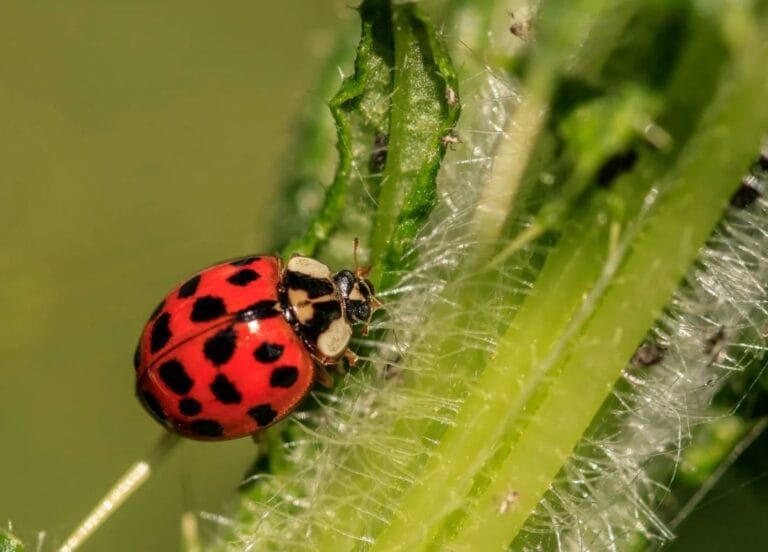
- Predatory Insects: Ladybugs and lacewings are natural predators of aphids, but are less effective against subterranean species unless the aphids are exposed. However, encouraging these predators above ground can help manage winged stages of root aphids.
- Habitat Management: Planting nectar-producing flowers such as sweet alyssum, yarrow, or herbs in the carrot family can attract beneficial insects that help control aphid populations overall.
- Chemical Control:
- Systemic Insecticides: Products containing imidacloprid or dinotefuran can be applied to the soil as granules or drenches. These chemicals are taken up by the plant’s roots and distributed systemically, poisoning the aphids as they feed. These are often the most effective option for severe infestations but must be used with caution and in strict accordance with label directions due to their potential impact on pollinators.
- Insecticidal Soaps and Neem Oil: While primarily used for foliar pests, these can be applied as a soil drench, though they are less effective than systemic options.
- Cultural Practices:
- Sanitation: Remove plant debris and weeds, which can harbor pests.
- Crop Rotation: For agricultural settings, delaying fall planting of crops like cabbage to avoid the flight of aphids migrating from their secondary hosts can be an effective cultural control method.
- Avoid Over-Fertilization: Aphids are attracted to soft, succulent growth. Avoiding excessive nitrogen fertilizer can make plants less susceptible.
- Water Management: Proper watering supports plant vigor, helping them tolerate some pest pressure. Reducing ant populations through baiting can also disrupt their relationship with root aphids.
Conclusion
The question of whether aphids live in soil is a nuanced one. While the majority of common aphid species are foliage dwellers, a significant category, root aphids, has successfully adapted to a subterranean life. These pests, such as the cabbage root aphid and rice root aphid, pose a particular threat due to their hidden feeding habits and their ability to cause serious damage to plant root systems.
Effective management requires accurate identification, an understanding of their complex life cycles, and an integrated pest management (IPM) strategy that combines cultural, biological, and, when necessary, chemical controls. For gardeners experiencing plant decline without visible pests, a careful inspection of the roots may reveal the true culprits hiding beneath the soil surface.