Why Do Ants Smell Like Windex? The Chemical Connection

Have you ever squished a common ant and been hit with a surprising, nostril-tingling scent that smells exactly like Windex or a pungent blue pen? You’re not alone, and you’re not imagining it. This bizarre phenomenon is a direct result of the complex chemical world of insects.
In this article, we’ll explore the fascinating reason behind this familiar smell, diving into the chemistry of ant communication and defense.
The Scent of an Ant Hill: It’s All About Formic Acid
The primary reason many ants smell like cleaning products is due to a chemical they produce called formic acid. The name itself offers a clue—formica is the Latin word for ant.
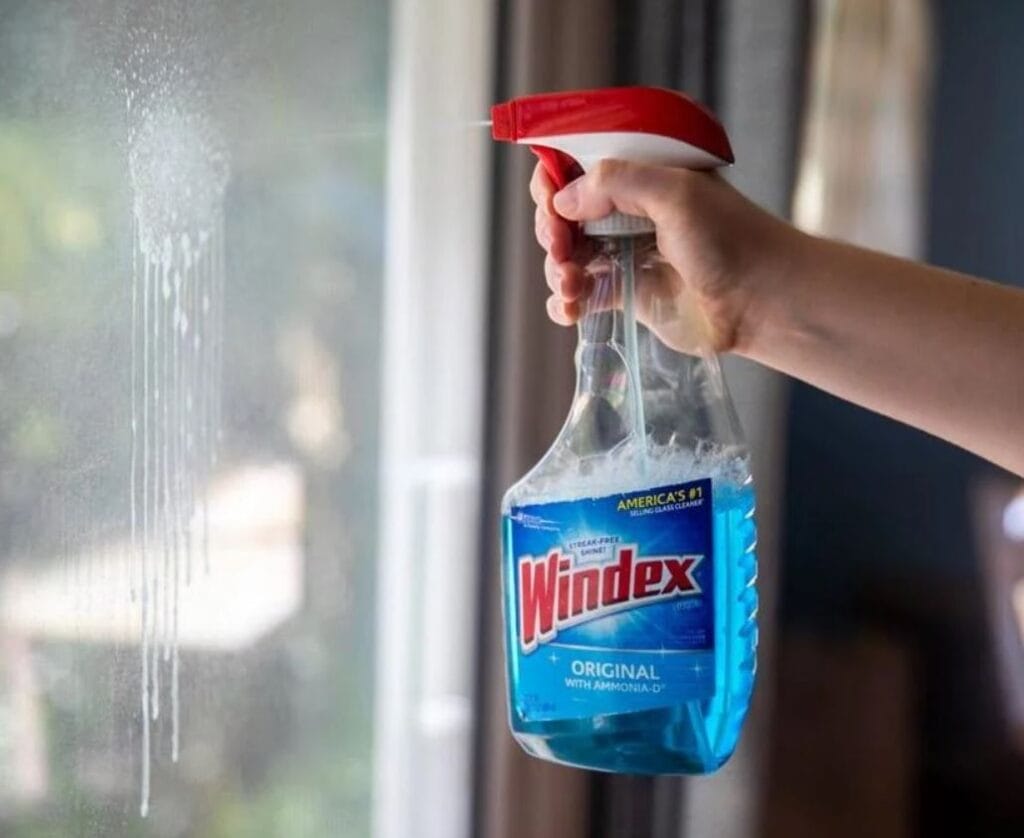
Formic acid (HCOOH) is a simple carboxylic acid that has a sharp, pungent, and distinctly chemical odor. To our human noses, this scent profile overlaps significantly with the smell of household ammonia, which is a key component in glass cleaners like Windex.
An Entomological Perspective: “When you crush an ant, you’re essentially breaking open its chemical arsenal. For many species, that includes formic acid, which they use for defense against predators and pathogens. The ‘Windex’ smell is an unintended side effect of this potent evolutionary tool.” – Dr. Eleanor Vance, Chemical Ecologist.
Why Do Ants Produce Formic Acid?
Ants don’t produce this chemical to confuse curious humans. Formic acid serves two critical purposes in their survival:
- Defense: Formic acid is a potent weapon. Ants can spray or excrete it to deter predators like spiders, other insects, and even small mammals. It causes a burning sensation and can be toxic in high concentrations.
- Antimicrobial Agent: The acid helps keep the colony healthy by acting as a natural disinfectant, suppressing the growth of harmful bacteria and fungi in the crowded nest environment.
Not All Ants Smell the Same: A Comparative Table
While the “Windex smell” is common, it’s not universal. Different ant species use different chemical cocktails for communication and defense. Here’s a quick comparison:
| Ant Species | Primary Smell When Crushed | Chemical Cause | Why They Produce It |
|---|---|---|---|
| Black Garden Ant | Windex, Cleaning Products | Formic Acid | Defense & Antimicrobial protection |
| Odorous House Ant | Rotten Coconut, Sweet | Methyl Ketones | Alarm pheromone & communication |
| Carpenter Ant | Formic Acid (Sharp) | Formic Acid | Defense against predators |
| Citronella Ant | Lemons, Citronella | Citronellal | Alarm pheromone to alert the colony |
As the table shows, the Odorous House Ant is a famous example of an ant that doesn’t smell like Windex. Instead, it releases a compound that smells distinctly like rancid butter or blue cheese.
The Human Nose: Connecting Scent to Memory
Why do we so specifically equate the smell with Windex? The answer lies in olfactory memory. Our brains are excellent at associating smells with familiar objects. The sharp, acrid, and “clean” scent of formic acid is chemically similar enough to the ammonia in Windex that our brain files them under the same category. We reach for the closest familiar reference point, which for most people is a household cleaner.
Beyond the Scent: What This Teaches Us
This quirky fact is more than just a trivia tiddy; it’s a window into the incredible world of insect biochemistry. The smell is a direct signal of the ant’s sophisticated survival strategies.
A Chemist’s Take: “Formic acid is a marvel of natural engineering. It’s a simple molecule, yet it serves as a weapon, a disinfectant, and a signal. That we recognize its scent from our own manufactured world is a fascinating collision of biology and chemistry.” – Ben Carter, Industrial Chemist.
Key Takeaways: Why Ants Smell Like Windex
- The “Windex” smell is most often caused by formic acid produced in the ant’s body.
- Formic acid is used by ants for defense and as an antimicrobial agent.
- Not all ants smell like this; different species produce different chemicals for communication.
- Our association with Windex is due to our brain linking the similar scent profiles of formic acid and ammonia-based cleaners.
The next time you catch a whiff of that clean, chemical scent from a squished ant, you’ll know you’re witnessing a tiny, powerful chemical defense system in action. It’s a potent reminder of the complex and often smelly world happening right beneath our feet.