The Skincare Step People Get Wrong the Most
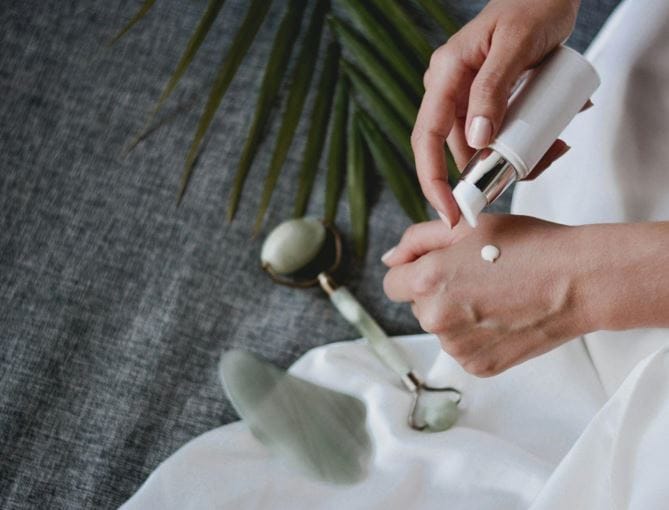
Most skincare mistakes happen with good intentions. People want clearer, smoother, healthier-looking skin, so they invest in products, follow trends, and adopt routines that promise visible results. Yet despite these efforts, many continue to struggle with irritation, dryness, breakouts, or a complexion that simply does not look as healthy as expected.
Interestingly, one of the most commonly misunderstood skincare steps is also one of the most important. Exfoliation has the potential to improve texture, brightness, and overall appearance, but it can also create problems when approached incorrectly. The challenge is that many people focus on doing more rather than doing what their skin actually needs.
Understanding the role exfoliation plays, and the mistakes people frequently make with it, can help create better results without unnecessarily stressing the skin.
Why People Tend to Overdo It
A common belief in skincare is that stronger treatments lead to faster improvements. This mindset often causes people to exfoliate too frequently or use products that are too aggressive for their skin type.
The initial results can be misleading. Freshly exfoliated skin may feel smooth and polished, encouraging people to repeat the process more often. Over time, however, excessive exfoliation can weaken the skin barrier and increase sensitivity.
The skin naturally sheds dead cells on its own. Exfoliation should support that process rather than replace it entirely. When people push too hard, the skin often responds with redness, irritation, and dryness rather than the healthy glow they hoped to achieve.
In many cases, doing less produces better long-term results.
Not Every Skin Type Needs the Same Approach
One reason exfoliation causes so much confusion is that skincare advice is often presented as universal. What works well for one person may create problems for someone else.
Skin type, sensitivity level, age, climate, and existing skincare products all influence how much exfoliation is appropriate. A routine that feels comfortable for someone with resilient skin could be overwhelming for a person with sensitive skin.
This is why broad skincare trends can sometimes create unrealistic expectations. Effective routines are usually tailored to individual needs rather than copied directly from social media, friends, or online recommendations.
Paying attention to how the skin responds remains one of the most reliable guides.
Technique Matters More Than Most People Realize
People often focus heavily on choosing products while paying less attention to how those products are actually used. Yet technique frequently plays a major role in determining whether exfoliation helps or harms the skin.
Scrubbing too aggressively, combining multiple exfoliating products, or using treatments too often can create problems even when the products themselves are well-formulated.
Someone trying to learn the best way to exfoliate your face will often discover that gentle application, appropriate frequency, and patience are just as important as the exfoliant itself. The goal is to encourage healthy skin renewal rather than force immediate results.
Small adjustments in technique can make a significant difference over time.
The Skin Barrier Deserves More Respect
The skin barrier plays a crucial role in protecting against environmental stressors and helping maintain hydration. Unfortunately, it is often overlooked when people focus exclusively on visible results.
When the barrier becomes compromised, skin may become more reactive, sensitive, and prone to irritation. Products that once felt comfortable can suddenly cause discomfort, and the complexion may appear less healthy despite increased effort.
Supporting the skin barrier does not mean avoiding exfoliation altogether. It means approaching exfoliation in a way that allows the skin to remain balanced and resilient.
Healthy skin usually reflects a balance between renewal and protection rather than an endless cycle of treatment.
More Products Do Not Always Mean Better Results
Another common mistake is layering too many active ingredients into a single routine. People often combine exfoliants with other powerful treatments in the hope of accelerating progress.
Unfortunately, skin does not always respond well to this approach. Multiple active ingredients can increase irritation and make it difficult to identify the source of a problem if one develops.
Simple routines frequently outperform complicated ones because they are easier to maintain and easier for the skin to tolerate. Consistency often contributes more to long-term improvement than constantly introducing new products.
Skincare tends to work best when each product has a clear purpose.
Healthy Skin Is Usually Built Through Consistency
One reason exfoliation is misunderstood is that people expect dramatic transformations in a short period of time. In reality, most skincare improvements occur gradually.
Texture, brightness, and overall appearance often improve through consistent habits rather than aggressive interventions. Gentle exfoliation performed appropriately over months is usually more effective than occasional periods of intense treatment followed by irritation and recovery.
The people who achieve the healthiest-looking skin are often not the ones doing the most. They are the ones paying attention to how their skin responds and making adjustments accordingly.
Exfoliation remains an important part of skincare, but it works best when approached with moderation. The step people get wrong most often is not whether they exfoliate, it is forgetting that healthier skin is usually the result of balance rather than intensity.