Does Sevin Dust Kill Snails? A Comprehensive Scientific and Practical Analysis
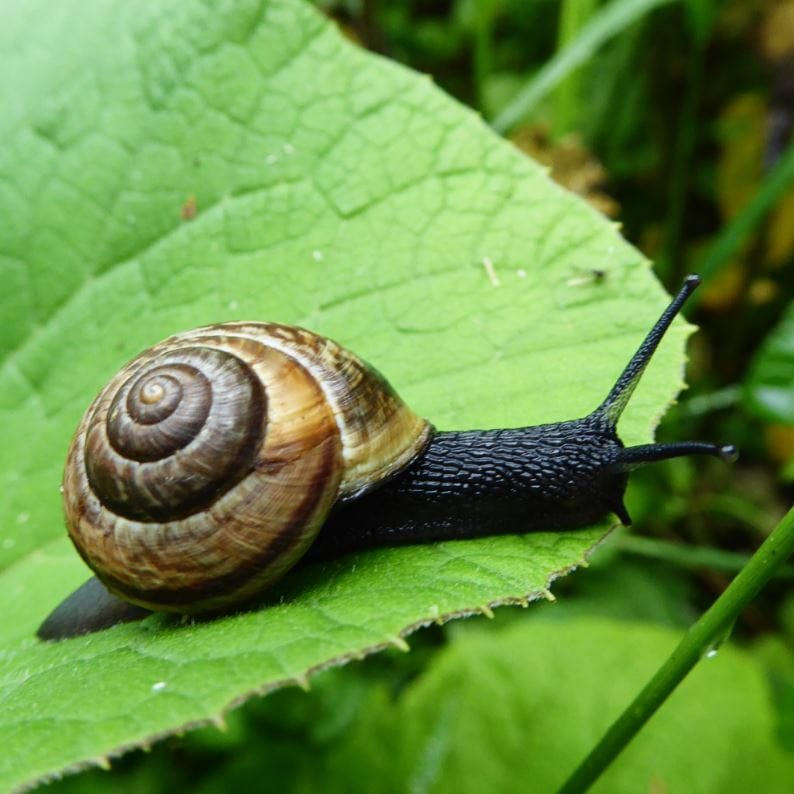
For gardeners and homeowners, the question of whether Sevin dust effectively controls snail populations is a common one, often arising from frustration with garden damage. The short answer is yes, Sevin dust can kill snails; however, the scientific reality is more nuanced, involving questions of efficacy, application, and environmental impact. This article provides a detailed, evidence-based analysis of Sevin dust (carbaryl) as a molluscicide, drawing on scientific research to inform your pest management decisions.
What is Sevin Dust and How Does it Work?
Sevin dust is a branded insecticide whose active ingredient is carbaryl, a chemical belonging to the carbamate class of pesticides . Carbaryl was introduced in the late 1950s and quickly became a popular broad-spectrum insecticide due to its effectiveness against a wide range of pests on crops, ornamentals, and in home gardens.
Carbaryl is a cholinesterase inhibitor . Its mode of action involves disrupting the nervous system. It binds to and inhibits the enzyme acetylcholinesterase, which is essential for breaking down acetylcholine, a neurotransmitter. This leads to an accumulation of acetylcholine at nerve synapses, causing continuous nerve firing, which ultimately results in paralysis and death.
While Sevin is primarily marketed and used as an insecticide, its active ingredient, carbaryl, is also recognized as being competent as a molluscicide . This means it is designed or known to be effective against mollusks, the group that includes snails and slugs. The product’s contact and stomach action means snails can be affected by ingesting the poison or by direct physical contact with the dust, which then penetrates their body.
The Scientific Evidence: Does Carbaryl Kill Snails?
The efficacy of carbaryl against snails is well-supported by a body of scientific literature, though much of the research has been conducted in controlled laboratory settings on various species of freshwater snails. These studies provide crucial insight into its toxicity and effects.
Evidence of Toxicity and Lethality
Several studies have demonstrated that carbaryl exposure causes significant mortality in snails. In a 2021 study, researchers investigating the effects of pesticides on ramshorn snails (Planorbella trivolvis) found that chronic exposure to carbaryl at a concentration of 50 μg/L significantly decreased snail survival compared to a control group . This study highlights that even low-level, long-term exposure can be lethal.
Other studies corroborate these findings. Research on the freshwater snail Lymnaea stagnalis (great pond snail) classified carbaryl as having chronic toxicity, noting that it induces growth changes and a general decrease in the health of the snails . In this comparative study, carbaryl was found to be the least toxic among the three insecticides tested (carbaryl, fenthion, and lindane) but was still demonstrably injurious .
Sublethal and Chronic Effects
Beyond immediate death, carbaryl has significant sublethal effects that can devastate snail populations over time. A primary observed effect is on reproduction. Studies show that carbaryl induces a decrease in fecundity (the ability to produce offspring) . This reduction in the number of egg capsules and eggs per capsule is correlated with the concentration of the pesticide and appears to be linked to a delay in snail growth .
This disruption of the reproductive cycle can have a more profound long-term impact on a snail population than a single acute mortality event. Even if some adult snails survive, their diminished capacity to reproduce can lead to a population collapse over several generations. Research has also indicated that the effects of carbaryl can have a “reversible character” once exposure stops, but the degree of intoxication in parent snails can also affect the health of the next generation .
Physiological Impact
At a physiological level, carbaryl has been shown to disrupt essential metabolic processes. Research on the freshwater snail Lymnaea acuminata revealed that carbaryl exposure interferes with protein metabolism , which is vital for growth, repair, and reproduction. Additional studies indicate that carbaryl alters the body’s antioxidant defense system, forcing the snail to deal with oxidative stress that can cause cellular damage .
Factors Affecting Efficacy
The effectiveness of Sevin dust in controlling snails is not absolute and depends on several critical factors:
- Species of Snail: Different species exhibit varying levels of susceptibility to carbaryl. While it is toxic to many, some may be more resilient.
- Concentration and Formulation: The lethality of carbaryl is dose-dependent. The concentration used in commercial Sevin dust is likely much higher than the 50 μg/L used in the chronic toxicity study mentioned above, meaning it will have a rapid and acute effect on contact .
- Exposure Route: As a dust, it can kill through contact and ingestion. For it to be effective, the snail must either consume the product or come into direct, physical contact with it.
- Life Stage: Scientific studies often use young snails in toxicity tests, which may be more susceptible than adults . Eggs, however, may be more protected.
- Environmental Conditions: Moisture is a critical factor. Snails are most active in damp conditions. Reapplying Sevin dust after rain is often necessary as it loses its efficacy when wet. Furthermore, studies show that in aquatic environments, carbaryl can be a significant threat to non-target snail populations, highlighting the risks of runoff .
How Sevin Dust Compares to Other Control Methods
For a professional assessment, it’s helpful to consider Sevin dust in the context of other snail control strategies.
Conclusion: Is Sevin Dust the Right Choice?
The scientific evidence is clear: Sevin dust, through its active ingredient carbaryl, is an effective molluscicide that can kill snails and reduce their reproductive capacity. It is a potent tool against pest snails, but its effectiveness comes with significant drawbacks that warrant serious consideration.
For professional gardeners and pest control experts, the decision to use Sevin dust must be weighed carefully. Its broad-spectrum toxicity poses a severe threat to beneficial insects like bees and can be harmful to pets and other wildlife. Its potential to negatively impact aquatic ecosystems through runoff is a major environmental concern .
Recommendation: For many home gardeners, the risks associated with carbaryl often outweigh the benefits, especially when safer and more targeted alternatives like iron phosphate baits are available. While Sevin dust can kill snails, it is a heavy-handed approach. The preference in integrated pest management (IPM) is to use the least toxic method first, such as handpicking, barriers, and iron phosphate baits, reserving more toxic chemical options like Sevin for severe, uncontrollable infestations where the risks can be managed and isolated.