How to get rid of aphids on outdoor plants
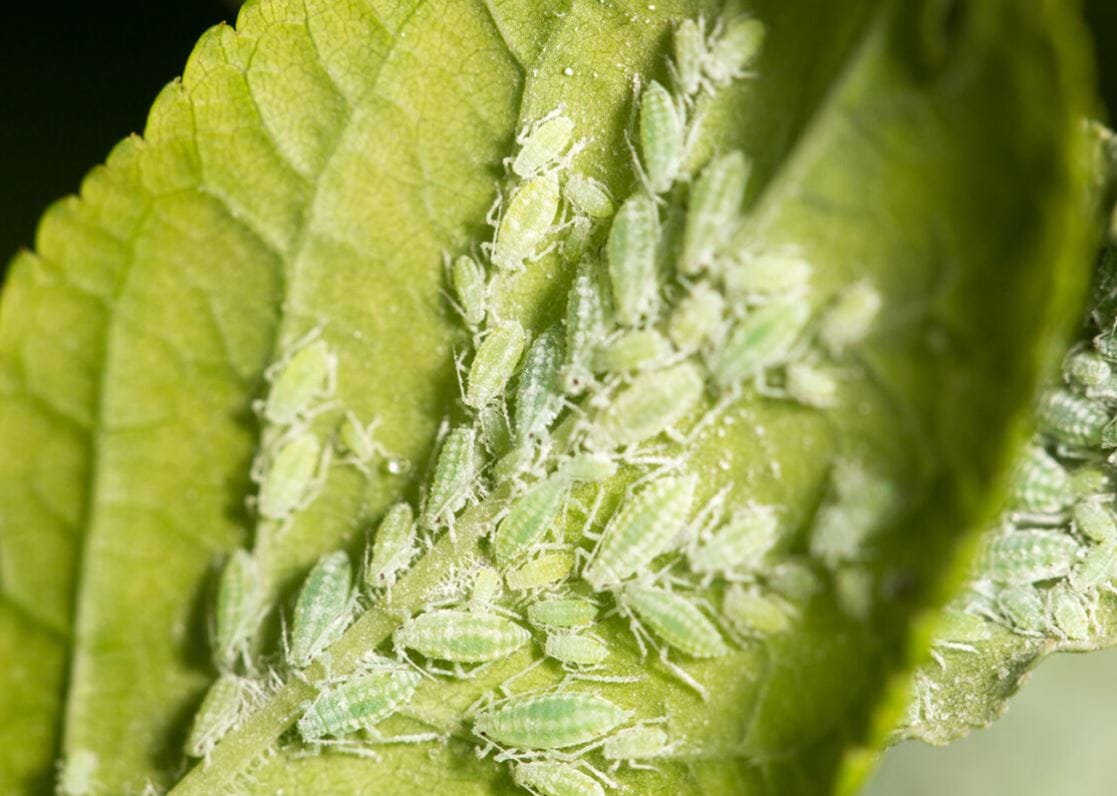
Aphids are among the most common and frustrating pests in the garden. These small, sap-sucking insects can quickly colonize tender new growth, causing distorted leaves, stunted plants, and the secretion of sticky honeydew that invites unsightly sooty mould . While their reproductive capabilities are astounding, reaching populations in the billions under ideal conditions, the good news is that they are rarely fatal to established plants and are a natural part of the garden ecosystem .
The most effective approach to managing aphids is not total eradication, but a balanced, strategic method known as Integrated Pest Management (IPM). This professional guide provides a detailed, step-by-step framework for controlling aphids on outdoor plants, prioritizing environmentally responsible methods.
Part I: The IPM Approach – A Strategic Framework
Integrated Pest Management is a decision-making process that uses regular monitoring to determine if and when intervention is needed. It prioritises cultural, biological, and physical controls over chemical solutions, reserving pesticides only as a last resort.
Step 1: Tolerance and Monitoring
The Royal Horticultural Society (RHS) recommends tolerating aphids where possible. They are a vital food source for many beneficial insects and are part of a healthy, balanced garden . The key is to check plants frequently. Act before the damage develops by squashing early colonies between finger and thumb .
Step 2: Identify the Enemy
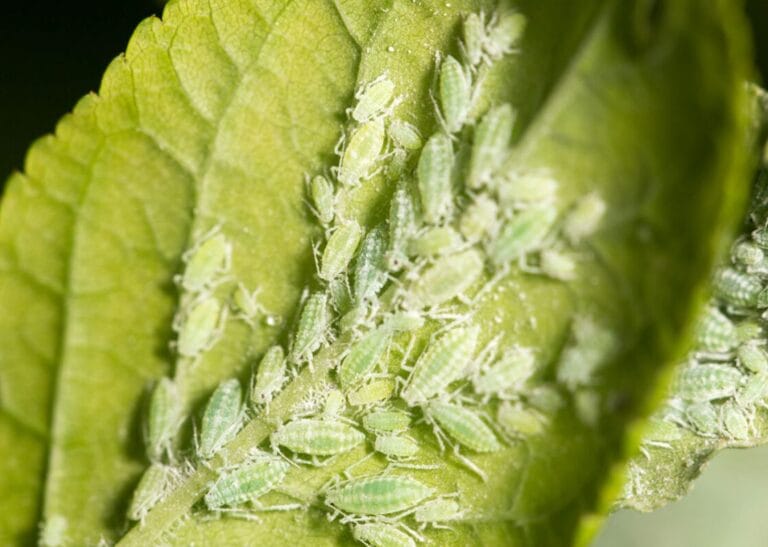
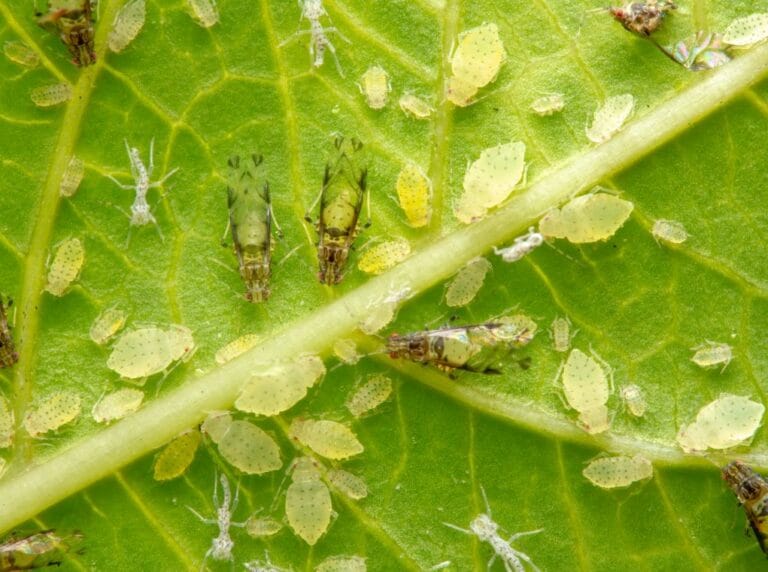
Proper identification is crucial. Aphids are typically pear-shaped, soft-bodied insects with long antennae. They are usually wingless in spring, but winged forms appear when colonies become overcrowded . Their incredible reproductive rate is due to a phenomenon called “telescoping of generations,” where a female is born already pregnant with her offspring’s offspring . Early intervention is critical before these numbers explode.
Part II: Cultural and Physical Controls (The First Line of Defence)
These are the initial, non-invasive actions to manage aphid populations.
1. The Water Blast
A sharp jet of water from a garden hose is a highly effective method to dislodge aphids from plants. This physically removes them and can disrupt the colony. This method is particularly useful for sturdy plants, though it may not be suitable for delicate or young specimens .
2. Pruning and Squashing
For localised infestations, prune off the heavily infested shoots and dispose of them in the bin (not the compost). For smaller colonies, a simple solution is to squash them with your fingers. This is quick, effective, and causes no environmental harm .
3. Plant Health and Vigilance
Healthy plants are more resilient to pests. Ensure your plants are suited to their location, receiving adequate sunlight or shade, and are properly irrigated. Stressed plants are more susceptible to severe infestations .
Part III: Biological Controls (The Professional’s Choice)
Biological control involves introducing or encouraging natural predators and parasites that feed on aphids. This is the most sustainable and effective long-term strategy, widely used by professional growers.
Encouraging Natural Enemies
The most powerful tool is to create a habitat for beneficial insects. Planting a diverse range of flowers, such as cosmos, sunflowers, zinnias, and allowing herbs like cilantro and parsley to flower, provides pollen and nectar for adult beneficial insects like hoverflies and ladybirds, encouraging them to stay in your garden .
Table 1: Key Natural Enemies of Aphids
Using Commercial Biocontrols
For severe infestations or when natural populations are low, predatory insects can be purchased commercially.
- Ladybird Larvae: Apply when temperatures are above 10°C. They are effective for both indoor and outdoor use (May to September). Apply at a rate of 10-20 per square metre (approx. 5 per medium plant). You may need to reintroduce them every 2-3 weeks .
- Lacewing Larvae: Apply when temperatures are around 14°C or above. They are suitable for outdoor control in June .
- Ant Management: Ants protect aphids from predators in exchange for honeydew. To allow biological controls to work effectively, manage ant populations by blasting trails with water or using targeted ant controls .
Part IV: Chemical Controls (Last Resort)
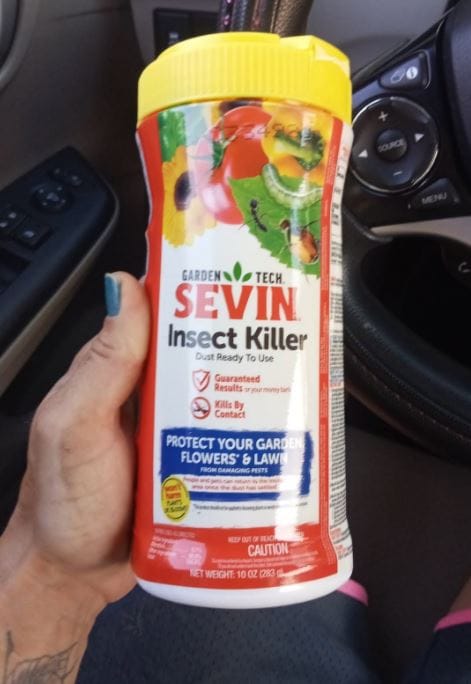
The use of pesticides is strongly discouraged due to their negative impact on biodiversity, beneficial insects, and soil health . Even organic and “natural” pesticides are non-selective and can cause more harm than good. If chemical control is deemed absolutely necessary, the following table provides a comparison of options, noting their severe environmental drawbacks.
Table 2: Comparison of Chemical Control Options
Conclusion: Building a Resilient Garden
Managing aphids effectively is not about a single silver bullet but about cultivating a resilient ecosystem. By prioritising tolerance, monitoring, and encouraging natural predators, you create a self-sustaining garden where aphid populations are kept in check by their natural enemies .
If intervention is needed, begin with physical controls and escalate to biological controls if necessary. Viewing an aphid infestation not as a disaster but as a sign to check the health of your plants is a key mindset shift for the professional or dedicated gardener . This integrated approach ensures a healthy, productive, and biodiverse outdoor space.