The Great Mopping Debate: Should You Mop with Hot or Cold Water?
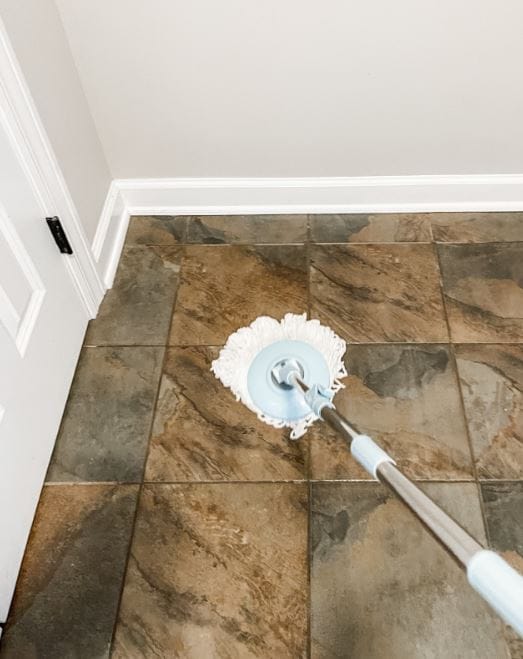
For decades, homeowners have debated the optimal water temperature for mopping floors. While some swear by the grease-cutting power of hot water, others advocate for the gentle safety of cold water. The truth is not a simple one-size-fits-all answer; it is a nuanced decision based on science, flooring materials, and cleaning chemistry. This article provides a comprehensive, professional analysis to help you determine the best approach for your home.
The Science Behind the Temperature
Understanding the molecular behavior of water is key to resolving this debate.
- Hot Water: When water is heated, its molecules gain kinetic energy and move faster . This increased activity makes hot water a superior solvent. It excels at breaking the molecular bonds that hold grease, oil, and sticky residues to floor surfaces . The heat reduces the viscosity of oils, making them thinner and easier to lift away with a mop . Furthermore, water at temperatures above 140°F (60°C) acts as a natural sanitizer, killing many common bacteria and germs . This is why hot water is often the default choice for tackling tough, grimy messes.
- Cold Water: Conversely, cold water has a more compact molecular structure with less kinetic energy . It does not possess the same ability to dissolve grease or activate cleaning agents aggressively. However, this lack of “aggression” is its greatest asset. Cold water is chemically gentler, making it the safest option for preserving delicate floor finishes, protective sealants, and adhesives . It also evaporates more slowly than hot water, which can prevent unsightly streaks and watermarks on glossy surfaces .
Floor Type: The Ultimate Determining Factor
The single most critical factor in choosing your water temperature is the type of flooring you are cleaning. Using the wrong temperature can lead to costly damage like warping, dulling, or bubbling.
Reference Table: Water Temperature by Floor Type
When to Mop with Hot Water
Based on expert recommendations, you should use hot water in the following scenarios:
- Tackling Grease and Oil: This is the most compelling case for hot water. In kitchens, where cooking splatters leave behind greasy residues, hot water is essential for dissolving and removing them effectively .
- Deep Cleaning Durable Floors: For a periodic deep clean on heat-resistant surfaces like ceramic tile, hot water helps to dislodge deep-seated grime from grout lines .
- When the Cleaning Product Requires It: Always defer to the manufacturer’s instructions on your floor cleaner. Some cleaning solutions are formulated with ingredients that are activated by heat .
A Critical Warning: Experts universally caution against using boiling water. It is a myth that boiling water provides a better clean . In reality, it can soften grease and spread it across the floor, and it poses a serious risk of damaging floor finishes and causing personal injury .
When to Mop with Cold Water
Cold or lukewarm water is the superior choice for:
- Daily Maintenance: For routine cleaning on most floor types, cold water is a safe and effective way to lift fine dust and dirt without risking damage to the flooring .
- Protecting Your Floors: If you have delicate floors like hardwood, laminate, or vinyl, cold water is non-negotiable. It prevents warping, protects the finish, and ensures the longevity of your flooring investment .
- Preventing Streaks: On high-gloss or polished surfaces, cold water evaporates more slowly, which helps prevent the dissolved dirt and cleaning solution from leaving behind a dulling, streaky residue .
- Chemical Compatibility: Many modern floor cleaners are designed to be effective with cold or lukewarm water. Using extremely hot water can degrade the active ingredients in some cleaning solutions, making them less effective .
Professional Mopping Tips for Optimal Results
Beyond water temperature, professional cleaners emphasize several best practices for a superior clean:
- Pre-Clean the Surface: Always sweep or vacuum the floor thoroughly before mopping. This removes abrasive grit that can scratch the surface during mopping .
- Use the Two-Bucket System: One bucket holds your cleaning solution, and the other holds clean, plain water for rinsing your mop. This prevents you from simply spreading dirty water around .
- Wring Out Your Mop: A mop that is too wet can leave excess water on the floor, which is particularly dangerous for hardwood and laminate. Use a damp, not soaked, mop .
- Work in Sections: Mop systematically from one corner of the room to the other, ending at a doorway so you don’t walk on the freshly cleaned floor .
- Consider Modern Technology: Innovative cleaning tools have evolved to address these challenges. For instance, some advanced robot mops use separate clean and dirty water tanks to ensure you are always mopping with fresh water, and their base stations use hot water to sterilize the mop pads after cleaning, providing the benefits of heat without the risk to your floors .
Conclusion: The Final Verdict
The answer to whether you should mop with hot or cold water is definitive: it depends.
- Use Cold or Lukewarm Water for your regular cleaning routine and for all delicate floors like hardwood, laminate, and vinyl to protect your investment .
- Use Hot Water for tackling tough, greasy messes and for deep cleaning durable, heat-resistant floors like ceramic and porcelain tile, while always checking your cleaning product’s label .
By understanding the science, respecting your flooring material, and following professional advice, you can ensure a clean that is both effective and safe.