The Ultimate Guide: How to Clean Epoxy Floors Like a Pro
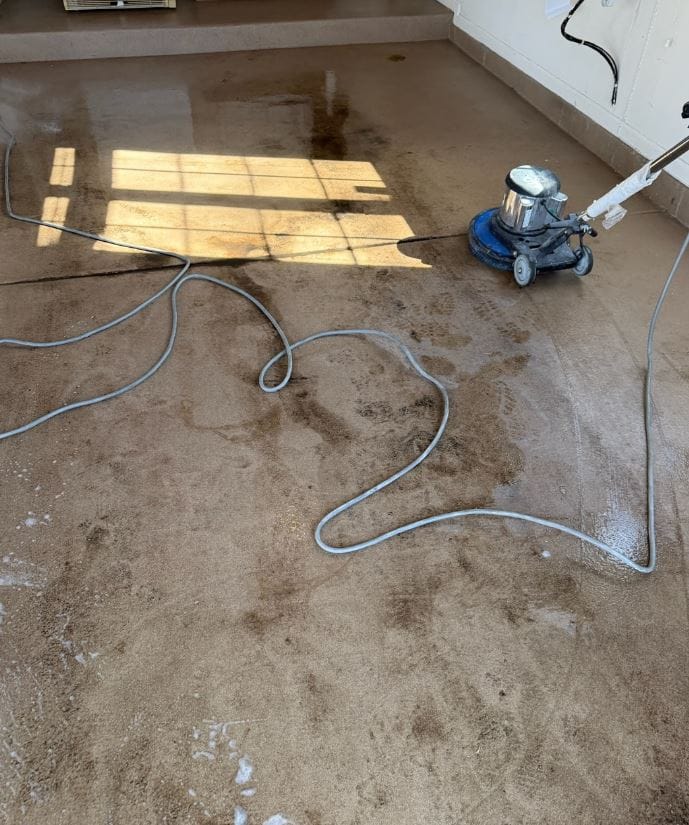
Epoxy floors are renowned for their durability, high-gloss shine, and resistance to chemicals and stains. However, to maintain their stunning appearance and protective qualities for years to come, a proper cleaning routine is essential. Improper cleaning is one of the leading causes of a dulled or damaged epoxy surface.
We’ve compiled expert advice to guide you through the entire process, from daily maintenance to tackling tough messes.
Why Proper Epoxy Floor Care is Non-Negotiable
While epoxy is a tough coating, it isn’t invincible. Abrasive tools, harsh chemicals, and neglecting spills can degrade the surface over time. Proper cleaning does more than just keep your floor looking good; it preserves the sealant layer, prevents scratches from embedded grit, and ensures the floor remains safe and slip-resistant.
Expert Quote: “Many people think because epoxy is so durable, they can clean it with anything. The biggest mistake I see is using abrasive scrub pads or acidic cleaners. These will microscratch the topcoat, causing it to lose its gloss and become dull over time. Gentle is the way to go for long-term preservation.” – Michael Sandoval, Certified Flooring Installer with 15 years of experience.
Your Daily and Weekly Epoxy Floor Cleaning Routine
Consistency is key. A simple, regular routine prevents dirt and grime from building up.
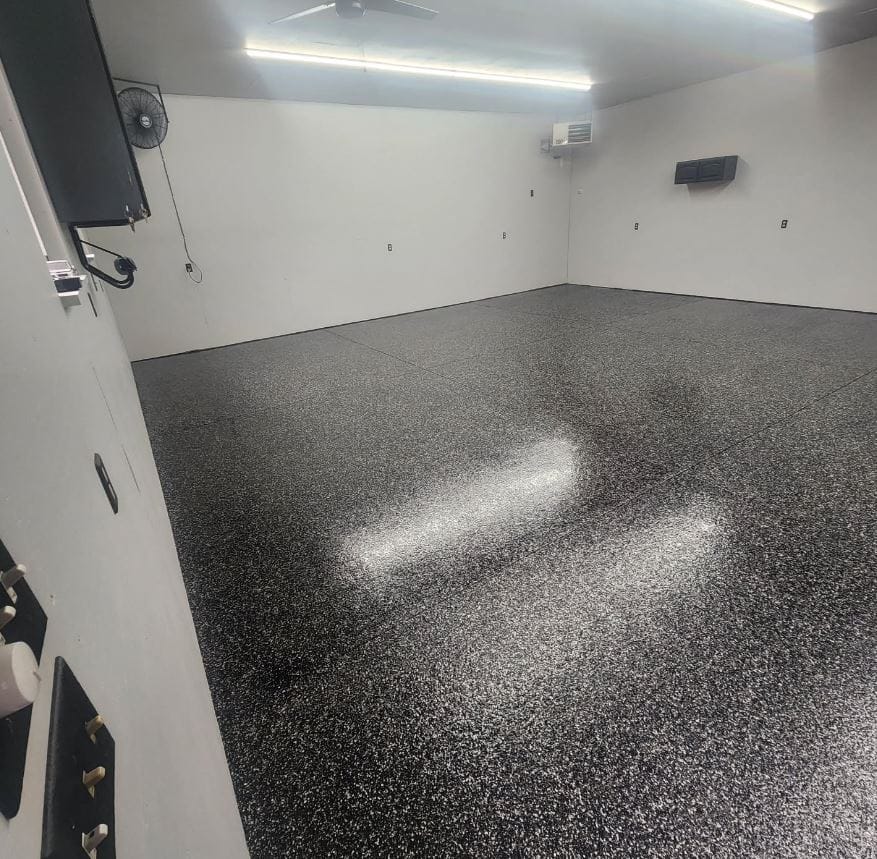
Essential Tools and Supplies You’ll Need
- Soft Bristle Push Broom or Dust Mop
- Microfiber Mops and Pads
- pH-Neutral Cleaner (Specifically designed for epoxy or garage floors)
- A Bucket of Warm Water
- A Soft, Non-Abrasive Scrubbing Pad (for occasional stuck-on grime)
The Step-by-Step Process
- Dry Dust Mopping/Sweeping: This is the most important step. Loose dirt, sand, and grit act like sandpaper underfoot. Sweep or dust mop the entire area daily or every other day in high-traffic zones to prevent scratches.
- Preparing the Cleaning Solution: Fill a bucket with warm water. Avoid hot water as it can sometimes soften or haze certain epoxy topcoats. Add a small amount of a pH-neutral cleaner. Do not use vinegar or citrus-based cleaners, as their acidity can etch the surface.
- Mopping the Floor: Dip your microfiber mop into the solution, wringing it out thoroughly. You want a damp mop, not a wet one. Standing water can be detrimental. Mop the floor in sections, rinsing the mop head frequently in a separate bucket of clean water to avoid reapplying dirt.
How to Clean Tough Stains on Epoxy Floors
Even the toughest floors encounter tough messes. Here’s how to handle them without damaging your investment.
Addressing Common Stains
For spills like oil, grease, ink, or tire marks, act quickly.
- Blot Up Liquids: Immediately use an absorbent cloth or paper towels to blot the spill.
- Apply a Dedicated Cleaner: For the residue, use a dedicated epoxy floor cleaner or a diluted ammonia solution (¼ cup of household ammonia to a gallon of warm water). Always test any cleaner in an inconspicuous area first.
- Gently Agitate: Use a soft scrubbing pad to gently work on the stain.
- Rinse Thoroughly: Rinse the area with clean water and dry with a soft towel to restore the shine.
Important: Never use bleach or oven cleaners, as they can permanently yellow or damage the epoxy resin.
What to Avoid at All Costs
To keep your epoxy floor in pristine condition, permanently ban these tools and chemicals:
- Abrasive Cleaners: (e.g., Comet, Scouring Powders)
- Scouring Pads: (Steel wool, green Scotch-Brite pads)
- Acidic Cleaners: (Vinegar, Muriatic Acid, Toilet Bowl Cleaner)
- Solvent-Based Cleaners: (Acetone, Nail Polish Remover – except for small, controlled spot repairs)
- Bleach: (Causes yellowing)
Epoxy Floor Maintenance Do’s and Don’ts (Quick Reference Table)
This table provides a quick, at-a-glance guide to proper epoxy floor care.
| Do’s | Don’ts |
|---|---|
| ✅ Use doormats to trap dirt at entrances | ❌ Use abrasive scrubbers or steel wool |
| ✅ Sweep or dust mop frequently | ❌ Use acidic or citrus-based cleaners |
| ✅ Clean spills immediately | ❌ Use bleach or harsh solvents |
| ✅ Use a pH-neutral cleaner | ❌ Allow standing water to sit on the surface |
| ✅ Use a soft microfiber mop | ❌ Drag heavy, sharp objects across the floor |
| ✅ Rinse thoroughly after cleaning | ❌ Use a steam mop (extreme heat can damage epoxy) |
Expert Advice for Long-Term Epoxy Floor Preservation
Beyond daily cleaning, a few proactive steps will significantly extend the life and beauty of your floor.
The Power of Placeholder Mats
Placing high-quality mats at all entrances is your first line of defense. They capture up to 80% of the dirt, gravel, and moisture that would otherwise be tracked onto your pristine epoxy surface.
Dealing with Tire Marks
Tire marks from vehicles are a common issue in garage epoxy floors. Isopropyl alcohol is an expert’s secret weapon. Spray a small amount on a clean microfiber cloth and gently wipe the mark. It usually disappears without a trace. Always follow up by rinsing the area with water.
Considering a Recoat
Even with perfect care, the glossy topcoat of an epoxy floor will experience normal wear and tear over many years. If you notice a permanent dullness that cleaning can’t rectify, it may be time for a new topcoat. Consult with a professional about applying a fresh layer of clear polyurethane or polyaspartic topcoat to restore the like-new gloss and protection.
Conclusion: A Little Care Goes a Long Way
Cleaning and maintaining your epoxy floor doesn’t require hard work, just the right knowledge and consistent habits. By following this expert advice—prioritizing dry cleaning, using gentle, pH-neutral solutions, and avoiding harsh chemicals and tools—you can ensure your beautiful, high-gloss epoxy floor remains a durable and stunning asset to your home or business for decades.