Can Glycerin Be Used for Cleaning? Exploring Its Surprising Benefits
When it comes to household cleaning, most people reach for commercial detergents or all-purpose cleaners. But what if there was a gentler, multi-purpose ingredient hiding in your medicine cabinet or skincare products? Glycerin, a common humectant found in soaps and lotions, has properties that make it surprisingly effective for cleaning—though with some caveats.
What Is Glycerin, and How Does It Clean?
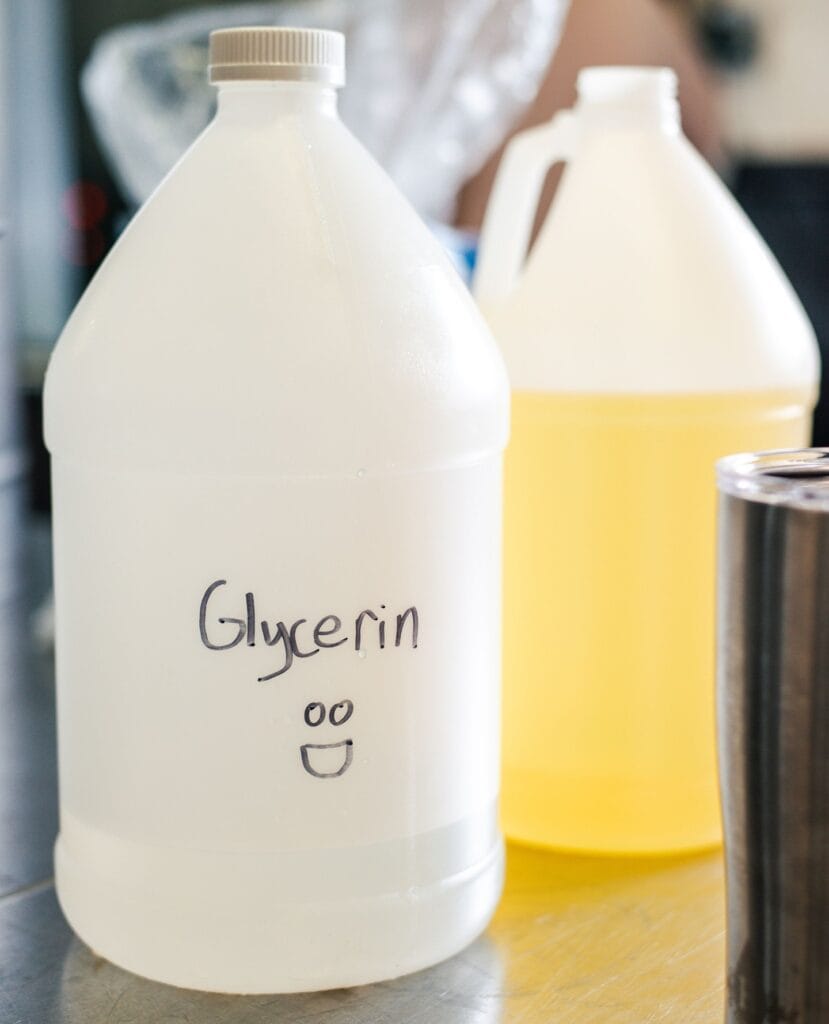
Glycerin (or glycerol) is a viscous, sweet-tasting liquid derived from plant oils or animal fats. It’s widely used in cosmetics and pharmaceuticals due to its moisturizing properties, but its cleaning potential is often overlooked. Unlike harsh chemicals that strip away dirt and oils aggressively, glycerin works as a gentle solvent, breaking down grime while retaining moisture.
Key Cleaning Properties of Glycerin:
- Solvent Action – Glycerin can dissolve sticky residues, such as adhesive from labels or gum.
- Non-Toxic & Safe – Unlike many commercial cleaners, it’s biodegradable and safe for use around children and pets.
- Stain Removal – When mixed with water or other mild cleaners, it can help lift stains from fabrics and surfaces.
- Anti-Static Effect – It reduces static cling, making it useful for polishing glass and mirrors without streaks.
Practical Uses of Glycerin in Cleaning
1. Removing Stickers and Adhesive Residue
One of glycerin’s best cleaning applications is tackling stubborn glue left behind by stickers or tape. Simply apply a small amount to the residue, let it sit for a few minutes, and gently wipe it away with a cloth. Unlike alcohol or acetone, glycerin won’t damage painted or delicate surfaces.
2. Gentle Stain Treatment for Fabrics
For oil-based stains on clothing or upholstery, a mixture of glycerin and dish soap can help break down the grease before washing. Apply the solution, let it sit for 10-15 minutes, then launder as usual.
3. Polishing Glass and Mirrors
A diluted glycerin solution (1 part glycerin to 4 parts water) can be used to clean windows and mirrors, leaving a streak-free shine while preventing dust buildup.
4. Revitalizing Leather and Wood
Because glycerin is a humectant, it helps condition leather and wood surfaces, preventing cracks and dryness. Mix it with a small amount of white vinegar for a natural polish or a Guide to Cleaning with Dish Soap and Vinegar
Limitations of Glycerin as a Cleaner
While glycerin is versatile, it’s not a one-size-fits-all solution:
- Not a Disinfectant – It doesn’t kill bacteria or viruses, so it shouldn’t replace disinfectants in kitchens or bathrooms.
- Can Leave Residue – If used undiluted, it may leave a slight film, requiring a rinse with water afterward.
- Less Effective on Heavy Grease – For tough grime (like oven grease), stronger degreasers may still be necessary.
Understanding Glycerin-Water Solutions
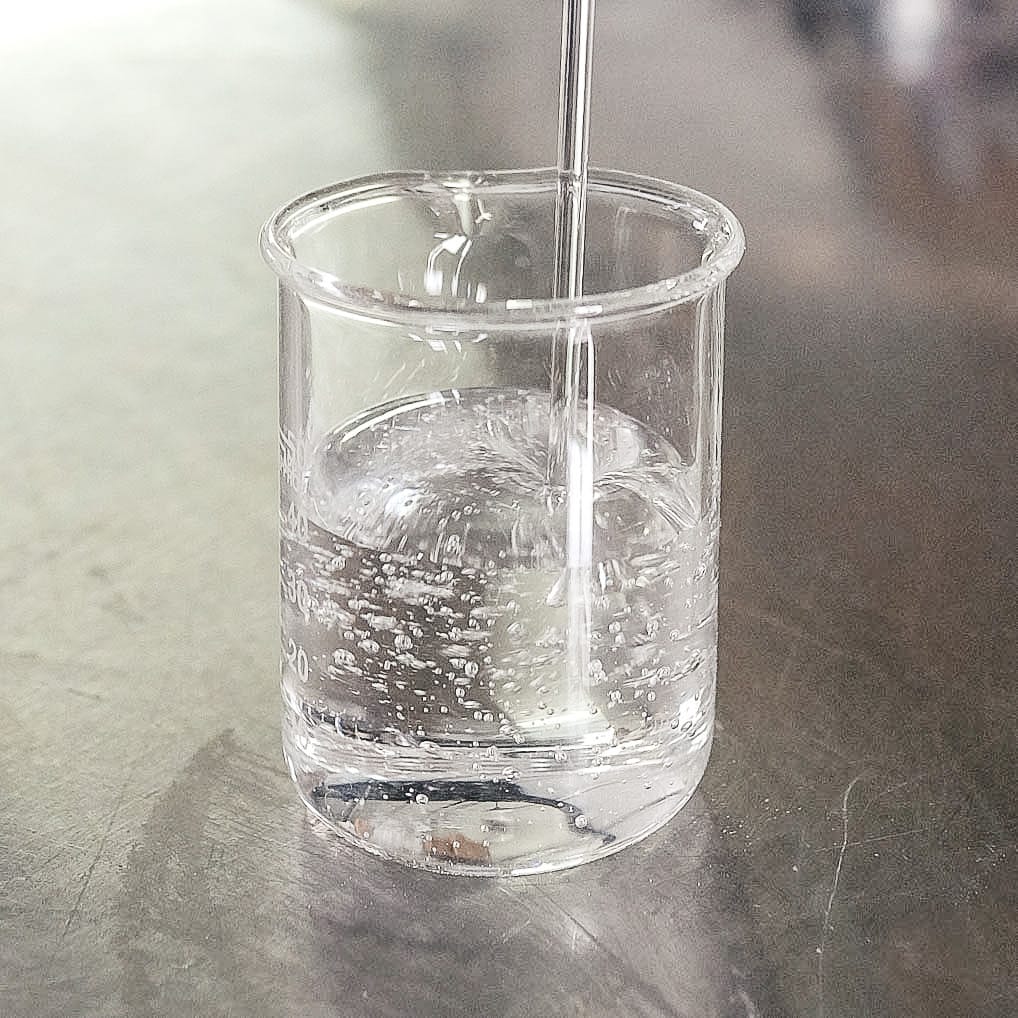
Glycerin’s solubility in water is exceptionally high due to its three hydroxyl groups, which form hydrogen bonds with water molecules. This interaction results in a homogeneous solution with varying densities, viscosities, and freezing points depending on the ratio of glycerin to water.
For instance, a 50% glycerin solution (by volume) will have different physical characteristics than a 70% solution, affecting its application. Higher glycerin concentrations yield thicker, more viscous liquids with enhanced moisturizing properties, while lower concentrations are more fluid and suitable for certain medical or industrial uses.
Glycerin-Water Dilution Table for Cleaning
Below is a general reference table for common glycerin-water dilutions, showcasing key properties such as density and approximate viscosity at room temperature (20°C).
| Glycerin Concentration (% by weight) | Density (g/cm³) | Viscosity (cP) | Freezing Point (°C) |
|---|---|---|---|
| 10% | 1.020 | 1.3 | -2 |
| 20% | 1.045 | 1.8 | -5 |
| 30% | 1.070 | 3.0 | -10 |
| 40% | 1.100 | 6.0 | -20 |
| 50% | 1.125 | 15 | -30 |
| 60% | 1.155 | 40 | -40 |
| 70% | 1.185 | 120 | -45 |
| 80% | 1.210 | 400 | -35 |
| 90% | 1.240 | 1,000 | -20 |
| 100% (Pure Glycerin) | 1.260 | 1,500 | 17 (melts at 18°C) |
Key Observations:
- Viscosity increases exponentially with higher glycerin content, making high-concentration solutions more syrupy.
- Freezing point depression is most effective at mid-range concentrations (50-70%), which is why glycerin is used in antifreeze mixtures.
- Density rises linearly, though not proportionally, as glycerin is denser than water.
Practical Applications of Glycerin-Water Mixtures
- Skincare & Cosmetics
- Humectant Properties: Glycerin attracts moisture, making 5-15% solutions ideal for lotions and serums.
- Texture Adjustment: Higher concentrations (20-50%) are used in thicker creams and ointments.
- Pharmaceuticals
- Drug Solubility Enhancer: Glycerin-water solutions improve the dissolution of certain medications.
- Cough Syrups & Elixirs: Typically contain 10-30% glycerin for viscosity and sweetness.
- Industrial & Laboratory Use
- Antifreeze Solutions: 50-70% glycerin prevents freezing in cooling systems.
- Preservation: Used in specimen storage due to its non-toxic, stabilizing effects.
How to Prepare a Glycerin-Water Solution
Stir Thoroughly: Ensure complete homogenization, especially for high-viscosity blends.
Measure by Weight or Volume: For accuracy, use a scale (weight) or graduated cylinder (volume).
Mix Gradually: Add glycerin to water (not vice versa) to prevent excessive heat generation.
Final Verdict: A Useful but Supplemental Cleaner
Glycerin won’t replace your entire cleaning arsenal, but it’s a fantastic addition for gentle, eco-friendly spot cleaning. If you’re looking for a natural way to tackle sticky messes, condition surfaces, or reduce chemical exposure, glycerin is worth a try. Just remember to pair it with other cleaning agents when deep sanitation is needed.