The Expert’s Guide: How to Clean Your Hot Tub Cover and Extend Its Life
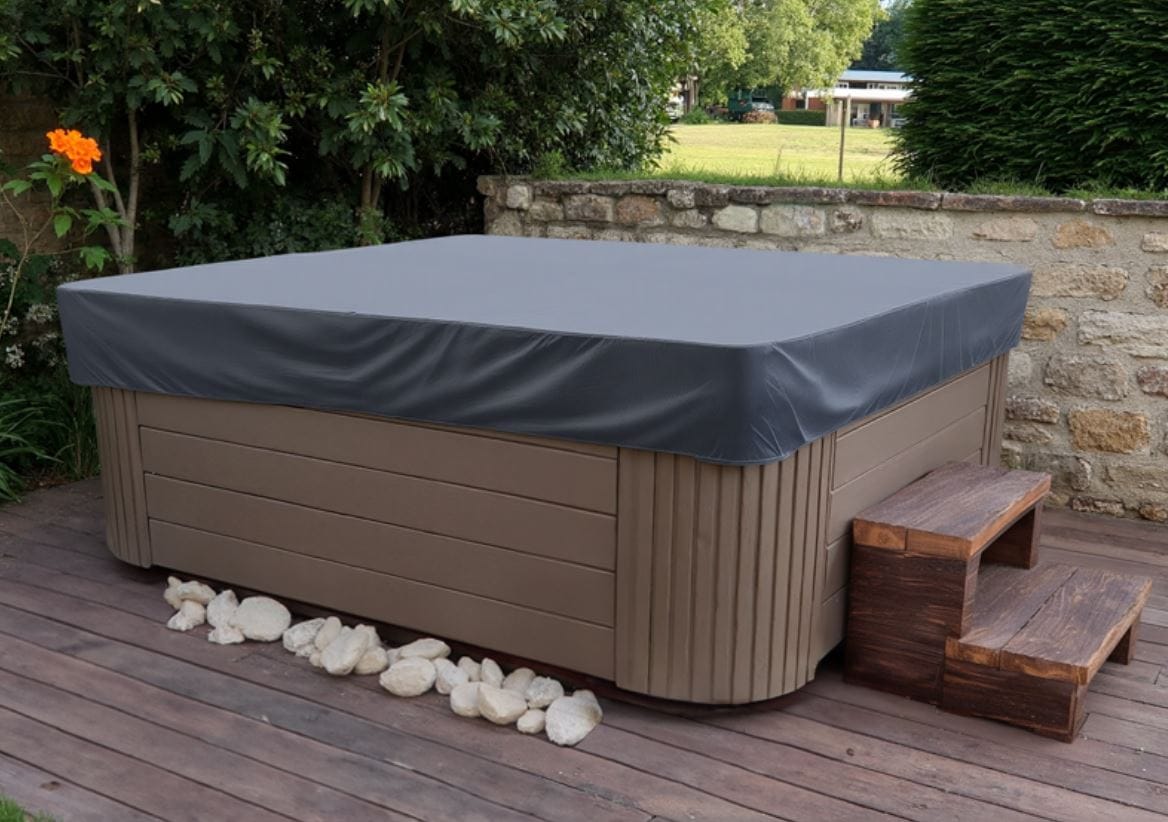
A sparkling clean hot tub is a joy, but often, the cover is an afterthought. A dirty, heavy cover isn’t just an eyesore; it’s a sign of deteriorating efficiency and a shortened lifespan. Properly cleaning your hot tub cover is one of the most effective, yet simplest, ways to protect your investment.
This expert guide will walk you through the why, what, and how of hot tub cover maintenance, ensuring yours stays clean, lightweight, and functional for years to come.
Why Cleaning Your Hot Tub Cover is Non-Negotiable
Many owners focus solely on the water chemistry, neglecting the cover. This is a critical mistake. Your hot tub cover serves three vital functions:
- Safety Barrier: It prevents accidental falls and keeps children and pets safe.
- Heat Retention: A clean, dry cover is a highly effective insulator, drastically reducing your energy bills.
- Debris & Contaminant Block: It keeps out leaves, dirt, rain, and airborne pollutants.
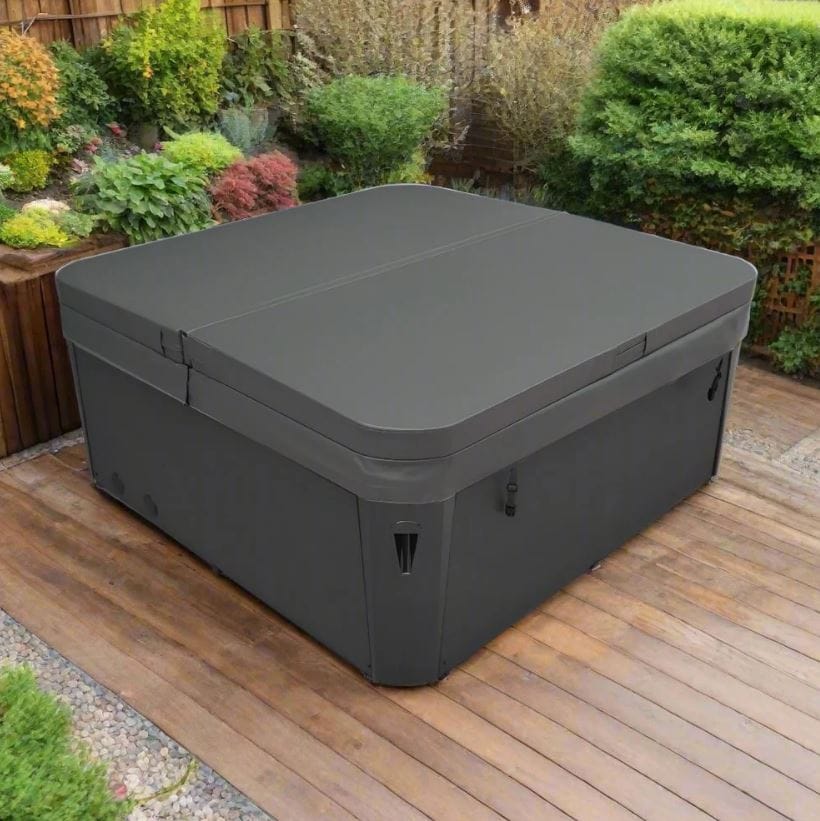
A dirty cover fails at these tasks. Mold and mildew can break down the vinyl and foam core, adding excess weight that strains the cover lifter and hinges. When it’s time for a replacement, shopping for quality covers for hot tub that feature UV-resistant vinyl and sealed foam cores will make ongoing maintenance far easier and extend the cover’s lifespan significantly. Furthermore, contaminants on the underside of the cover can flake off into your pristine water, throwing off your chemical balance.
Your Hot Tub Cover Cleaning Toolkit: What You’ll Need
You don’t need harsh chemicals or expensive solutions. Most effective cleaners are already in your home.
Essential Cleaning Supplies
- Soft-Bristled Brush or Sponge: Abrasive pads or stiff brushes will scratch the vinyl.
- Microfiber Cloths: For wiping and drying without leaving lint.
- Mild Soap: A few drops of dish soap (like Dawn) or a dedicated vinyl cleaner are perfect.
- White Vinegar or Isopropyl Alcohol: Excellent for disinfecting and tackling mildew without damaging the material.
- Garden Hose with Spray Nozzle: A must for a thorough rinse.
- Protectant (303 Aerospace Protectant): This is the pro’s choice for UV protection and preventing vinyl from drying out and cracking.
What to AVOID at All Costs
- Pressure Washers: The high pressure can force water into the core, permanently saturating the foam and destroying the cover’s insulating properties.
- Household Cleaners: Avoid anything with bleach, citrus solvents, or abrasives. They break down the vinyl’s chemical structure, causing it to become brittle and crack.
- Armor All: While popular for cars, it contains petroleum distillates and silicone that can damage hot tub cover vinyl over time.
The Step-by-Step Guide to a Deep Clean
Follow this simple process every 1-2 months, or more frequently if your tub is under trees.
Step 1: The Preliminary Rinse
Start by using your garden hose on a gentle shower setting to rinse off loose dirt, pollen, and debris from both the top and bottom of the cover. This prevents you from grinding dirt into the vinyl during scrubbing.
Step 2: Create Your Cleaning Solution
In a bucket, mix 1 gallon of warm water with a few drops of mild dish soap. For a disinfecting clean, you can substitute with a 50/50 solution of water and white vinegar.
Step 3: Gentle Scrubbing
Dip your soft brush or sponge into the solution and gently scrub the entire cover. Pay special attention to seams and folds where grime loves to hide. For the underside (the part that faces the water), a light wipe-down is usually sufficient, as it’s typically protected from the elements.
Step 4: The All-Important Rinse
This is a crucial step. Thoroughly rinse the entire cover with your hose until all soapy residue is gone. Soap left on the vinyl can degrade it and cause foaming in your hot tub water later.
Step 5: Dry and Protect
Use your microfiber cloths to wipe the cover dry. Then, let it air dry completely in the sun before applying any protectant. Once dry, spray on a UV protectant like 303 Aerospace Protectant, wiping it evenly across the entire surface. This creates a barrier against sun damage, which is the primary cause of vinyl cracking.
Mold & Mildew Removal: The Expert Approach
If you notice black or green spots, you have mildew. Don’t panic.
- Mix a solution of 60% water and 40% isopropyl alcohol.
- Spray it directly onto the mildewed areas and let it sit for 10-15 minutes.
- Scrub gently with your soft brush. The alcohol will kill the mildew without harming the vinyl.
- Rinse thoroughly.
For stubborn stains, dedicated vinyl cleaners with mildewcides are available at pool and spa stores.
Cleaning Product Comparison Table
| Product | Best For | Pros | Cons | Expert Recommendation |
|---|---|---|---|---|
| Mild Dish Soap | General, all-purpose cleaning | Readily available, inexpensive, effective on grease and dirt. | Must be rinsed extremely thoroughly to prevent spa foam. | ★★★★☆ – Excellent for routine cleans. |
| White Vinegar | Disinfecting & Mild Stains | Natural, non-toxic, effective at killing mildew and bacteria. | Has a strong smell that some dislike. | ★★★★☆ – Great for a monthly deep clean. |
| Dedicated Vinyl Cleaner | Tough Stains & Restoration | Formulated specifically for spa covers; often includes protectants. | More expensive than DIY options. | ★★★★★ – The best-performing option for a flawless finish. |
| Bleach or All-Purpose Cleaner | NOT RECOMMENDED | N/A | Degrades vinyl, causes brittleness and cracking. | ☆☆☆☆☆ – Avoid completely. |
Proactive Maintenance: Keeping Your Cover Clean Longer
Cleaning is only half the battle. Preventative care is key.
- Use a Cover Cap: This is a fitted, waterproof sheet that goes over your existing cover. It takes the brunt of the sun and weather, dramatically extending your cover’s life.
- Wipe it Weekly: A quick 30-second wipe-down with a damp cloth after you check your chemicals prevents buildup.
- Ensure Proper Drainage: Make sure the “spine” of your cover is straight and not sagging. A sagging cover holds water, which soaks into the core and promotes mildew growth on the underside.
By following this expert advice, you can ensure your hot tub cover remains a reliable, efficient, and good-looking component of your relaxation oasis for many seasons. A little regular care saves you money, energy, and the hassle of a premature replacement.