Windex as Windshield Washer Fluid: An Expert’s Verdict
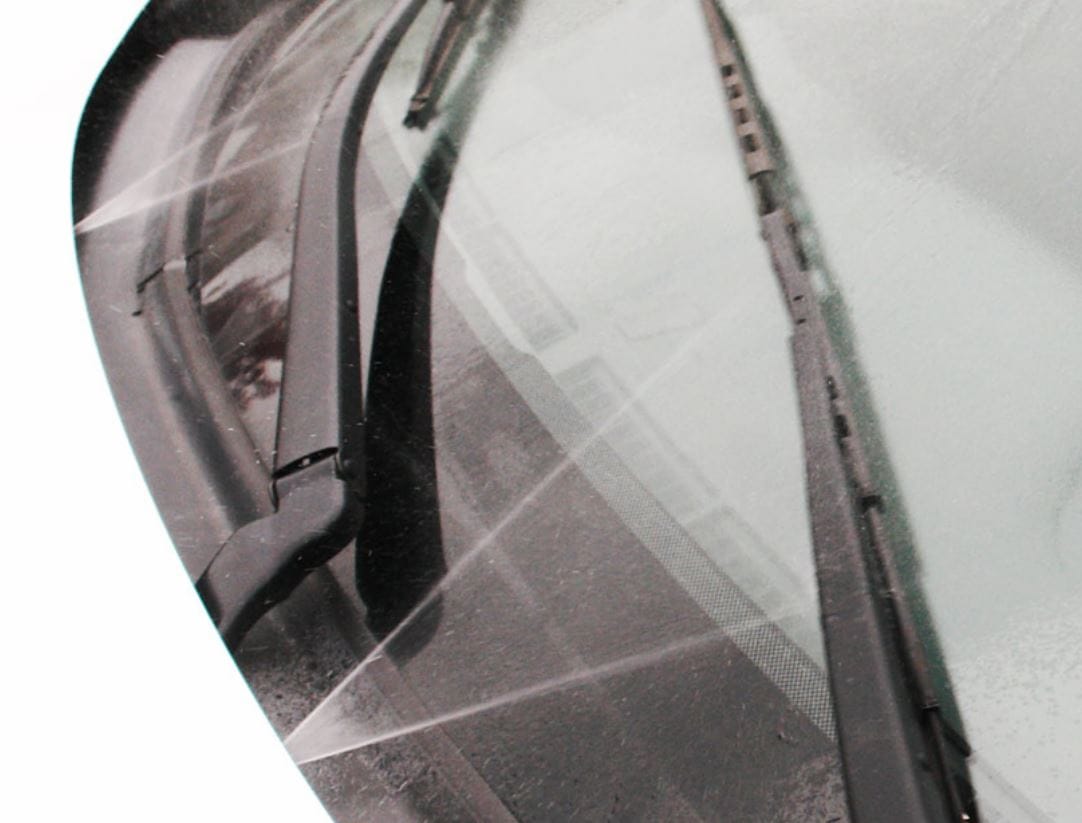
You’re in a pinch. Your windshield washer reservoir is empty, and all you have under the sink is a classic blue bottle of Windex. It’s a cleaner, it’s meant for glass—it should work, right? This is a common dilemma for many drivers.
We consulted with automotive experts to get a definitive answer. The consensus is clear and unanimous: Using Windex as a substitute for windshield washer fluid is a risky shortcut that can cause significant damage to your vehicle.
Why Do People Consider Windex?
The logic is understandable at a glance. Both products are designed to clean glass, so they seem interchangeable. Windex is a powerful, streak-free cleaner for your home windows, so it should work wonders on your car, right? This line of thinking fails to account for the critical differences in their chemical formulation and the complex systems they are designed to work within.
“The biggest misconception is that ‘glass is glass.’ Automotive glass, especially windshields, is under constant attack from road film, tar, bugs, and sap. The systems that dispense the fluid are also intricate, involving pumps, hoses, and delicate sensors not found in your home.” – Sarah Chen, Master Automotive Technician
The Hidden Dangers of Using Windex in Your Car
Pouring Windex into your washer fluid reservoir might solve an immediate visibility issue, but it sets the stage for costly long-term problems. Here’s a breakdown of the primary risks.
1. Damage to the Washer Fluid System
Your vehicle’s washer system is composed of a pump, rubber hoses, and seals. Windex contains solvents and ammonia, which are highly effective on your countertops but are corrosive to these automotive components.
- Pump Failure: The chemical composition can degrade the pump’s internal parts, leading to premature failure.
- Brittle Hoses & Seals: The solvents can cause rubber and plastic hoses and seals to become brittle and crack, resulting in leaks.
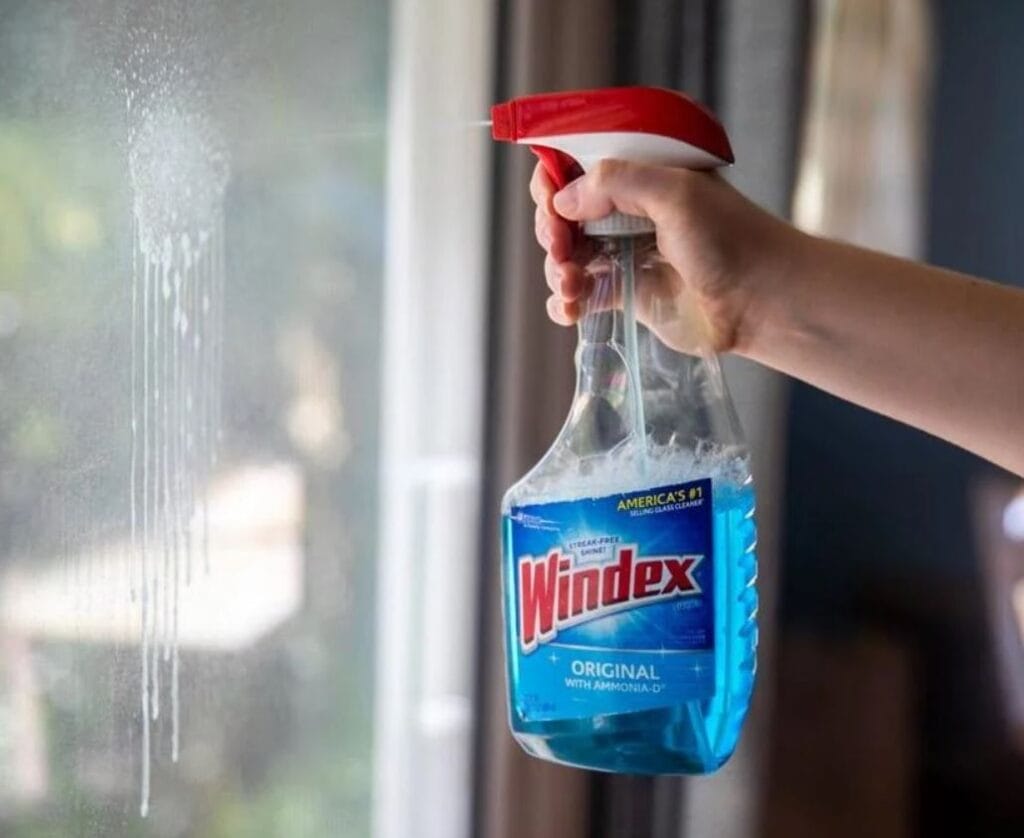
2. Compromised Vehicle Paint and Trim
This is one of the most significant risks. Washer fluid is designed to be safely dispensed onto glass and, inevitably, onto your car’s paint and black plastic trim.
- Paint Damage: The ammonia in Windex can slowly eat away at your car’s clear coat, leading to dullness and fading over time.
- Trim Staining: Ammonia is notorious for permanently staining and discoloring black vinyl, rubber, and plastic trim around your windshield and hood.
3. Ineffectiveness in Winter Conditions
This is a critical safety issue. Standard Windex has a freezing point just below water’s. In freezing temperatures, it will turn to solid ice in your reservoir, lines, and pump.
- System Rupture: When the liquid freezes and expands, it can crack the reservoir, split the hoses, or destroy the pump.
- Zero Functionality: You will be left with no way to clear road salt and grime from your windshield, creating an extremely dangerous driving situation.
4. Potential for Streaky, Smeared Results
While Windex is designed to be wiped off immediately, washer fluid is formulated to be sheared away by your wiper blades. The different surfactants and detergents can interact with your wiper blades and the specific grime on your windshield, often leading to a streaky, smeared mess that impairs visibility rather than improving it.
Windex vs. Washer Fluid: A Head-to-Head Comparison
The table below clearly illustrates why these two products are not substitutes for one another.
| Feature | Windex (Original Formula) | Standard Windshield Washer Fluid | Premium De-Icing Washer Fluid |
|---|---|---|---|
| Primary Solvent | Ammonia | Methanol or Ethanol | Methanol or Ethanol (Higher Concentration) |
| Freezing Point | ~32°F (0°C) | ~20°F (-7°C) | As low as -34°F (-37°C) |
| Effect on Paint/Trim | Damaging (stains trim, dulls paint) | Safe (formulated to be non-harmful) | Safe (formulated to be non-harmful) |
| Effect on Washer System | Corrosive (can damage pump & seals) | Safe (compatible with system materials) | Safe (compatible with system materials) |
| Cleaning Additives | Designed for light dust & fingerprints | Designed for road grime, bugs, and sap | Designed for road salt, heavy grime, and ice |
| Cost per Gallon | High | Low | Moderate |
The Expert-Recommended Alternatives
So, what should you do when you’re in a bind? Our experts recommend these safe and effective solutions.
For an Emergency “Get-Me-Home” Solution
If you are truly stranded, using distilled water is a far safer temporary measure than Windex. It won’t clean as well, but it will rinse grime away without damaging your car’s systems or paint. For a slight cleaning boost, a few drops of gentle dish soap (like Dawn) in a gallon of distilled water is a much safer homemade alternative.
For Proper Long-Term Care
Invest in a quality windshield washer fluid appropriate for your climate. It is a minor expense that protects your vehicle’s costly components and ensures your safety.
- Summer: Use a bug-and-tar removing formula.
- Winter: Always use a de-icing fluid with a freezing point well below your local temperatures.
The Final Verdict
“The small cost and convenience of proper windshield washer fluid is insignificant compared to the repair bill for a frozen and ruptured washer system or the diminished value of a car with stained trim and damaged paint. It’s simply not worth the risk.” – Michael Roberts, Owner of Precision Auto Care
Conclusion: While the blue color might be tempting, Windex belongs in your home, not in your car. The potential for damage to your vehicle’s washer system, paint, and trim is far too great. For the sake of your safety and your wallet, always use a dedicated windshield washer fluid. It’s the only expert-approved choice for clear, safe driving.