Why Hidden Moisture Problems Can Undermine Even the Cleanest Homes
A home can appear spotless on the surface while still developing hidden problems behind walls, beneath sinks, or inside poorly ventilated spaces. Many homeowners focus heavily on visible cleanliness, vacuuming floors, disinfecting kitchens, organizing storage, and maintaining tidy living areas, yet some of the biggest threats to a healthy indoor environment often begin in places people rarely inspect closely.
Moisture is one of the most overlooked examples. Small leaks, excess humidity, slow drainage issues, pipe condensation, and poor ventilation can gradually affect indoor conditions long before major damage becomes obvious. In many homes, the earliest signs are subtle: lingering odors, recurring bathroom buildup, discolored surfaces, peeling paint, warped cabinetry, or areas that never seem completely dry no matter how often they are cleaned.
Because these problems develop slowly, they are often mistaken for ordinary cleaning challenges rather than symptoms of underlying moisture issues. As homeowners become more aware of indoor environmental quality, the relationship between plumbing, moisture control, and long-term cleanliness is receiving far more attention.
The Household Issues That Cleaning Alone Cannot Solve
Routine cleaning plays an important role in maintaining a healthy home, but cleaning alone cannot fully resolve issues caused by hidden moisture or recurring water exposure.
Bathrooms and kitchens are particularly vulnerable because they combine plumbing systems, humidity, heat, and constant daily use. Even minor plumbing inefficiencies may gradually create conditions where moisture accumulates behind surfaces or inside enclosed areas with limited airflow.
Over time, this can contribute to:
- Persistent odors
- Surface residue
- Mold or mildew growth
- Cabinet deterioration
- Wall discoloration
- Flooring damage
- Increased humidity levels
Many homeowners initially assume these issues are related to cleaning habits when the underlying cause may actually involve slow leaks, drainage problems, aging fixtures, or ventilation imbalance.
The challenge is that moisture-related issues rarely remain isolated. Once excess moisture begins affecting indoor materials consistently, surrounding areas often become harder to maintain over time.
How Plumbing Problems Quietly Affect Indoor Living Conditions
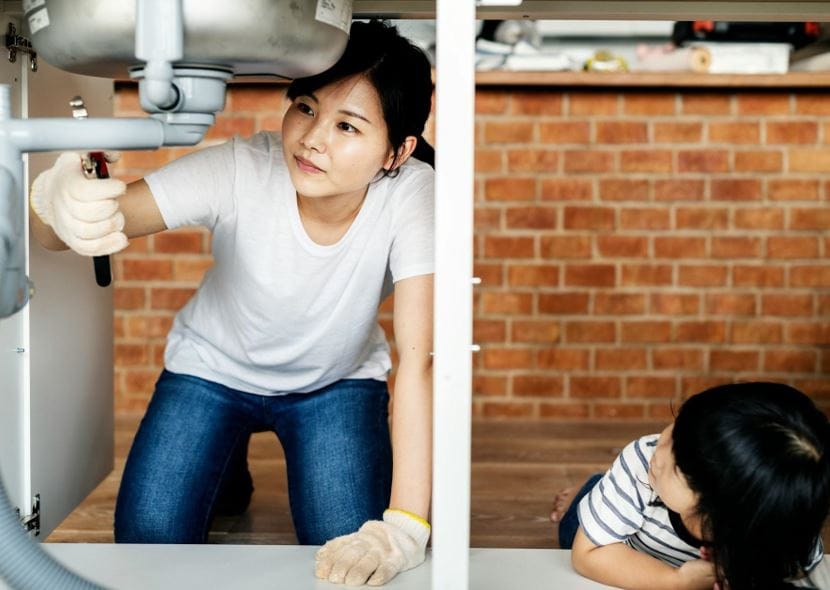
Plumbing systems influence far more than simple water access. They affect humidity levels, sanitation, drainage performance, airflow conditions, and the overall comfort of a home. Even relatively small plumbing issues can gradually create larger indoor problems if they remain unresolved for long periods. Slow leaks beneath sinks, aging pipes, inefficient drainage, or unnoticed condensation may continuously introduce moisture into enclosed areas where buildup develops quietly over time.
That is one reason many homeowners are becoming more proactive about preventative maintenance instead of waiting for major plumbing failures to happen. Companies such as We Care Plumbing are increasingly helping homeowners identify moisture-related plumbing issues earlier, before they begin affecting indoor air quality, structural materials, cabinetry, flooring, or overall household cleanliness. The focus is gradually shifting away from reacting to visible water damage and toward preventing hidden problems before they become far more disruptive and expensive to repair.
What Environmental Experts Say About Moisture and Indoor Air Quality
Environmental health organizations continue emphasizing the importance of moisture control within residential environments. According to the Environmental Protection Agency (EPA), excessive indoor moisture may contribute to mold growth, reduced indoor air quality, material deterioration, and increased allergen exposure if not addressed properly. The EPA also notes that controlling moisture is one of the most important factors in preventing indoor environmental problems before they become more difficult and expensive to manage.
The Environmental Protection Agency regularly publishes homeowner guidance related to indoor moisture control, ventilation, mold prevention, and healthy indoor environmental conditions. These concerns are becoming increasingly relevant as homes become more energy efficient and tightly sealed, sometimes reducing natural airflow and increasing the importance of proper ventilation and moisture management systems.
Bathrooms and Kitchens Require More Preventative Attention
Bathrooms and kitchens experience constant exposure to water, heat, steam, and humidity, making them some of the most maintenance-sensitive areas in a home. Repeated exposure to moisture may gradually affect grout lines, cabinetry, caulking, drywall, flooring, and ventilation systems if underlying issues remain unresolved. Small plumbing inefficiencies that seem insignificant initially can become more disruptive when combined with long-term humidity exposure.
This is why preventative inspections and maintenance are becoming more common among homeowners trying to preserve indoor conditions over time.
People are paying closer attention to:
- Drain performance
- Fixture leaks
- Pipe condition
- Ventilation quality
- Water pressure irregularities
- Moisture buildup around sinks and tubs
Addressing these issues earlier often helps reduce larger repair costs later while also making routine cleaning easier and more effective.
Why Moisture Problems Often Go Unnoticed for Too Long
One reason hidden moisture becomes problematic is that it rarely creates immediate dramatic symptoms. Unlike sudden flooding or visible pipe bursts, slower moisture issues often develop gradually behind walls, beneath flooring, or inside cabinets where changes remain less noticeable at first. By the time visible damage appears, surrounding materials may already have experienced long-term exposure.
Many homeowners only discover underlying problems after noticing recurring odors, warped surfaces, discoloration, or persistent humidity that cleaning alone does not seem to resolve. This delayed visibility is exactly why preventative plumbing awareness has become more important in modern home maintenance.
Clean Homes Depend on More Than Surface Appearance
The idea of a “clean home” is evolving beyond visible organization and polished surfaces. Increasingly, homeowners are recognizing that long-term indoor comfort also depends on the hidden systems supporting the environment itself. Plumbing, ventilation, drainage, and moisture control all influence how healthy, functional, and manageable a home feels over time.
A beautifully cleaned space can quickly become harder to maintain when hidden moisture issues continue affecting indoor conditions beneath the surface. That is why preventative maintenance conversations are becoming more connected to overall household wellness. The goal is no longer simply making homes look clean for the moment, but helping them remain healthier, more functional, and easier to maintain long term. In many ways, some of the most important aspects of a comfortable home are the systems people rarely think about until something starts going wrong.