What Homeowners Can Do to Reduce the Risk of Unexpected Home Repairs
Unexpected home repairs rarely happen at convenient times. A leaking roof during a storm, a broken HVAC system during extreme temperatures, or a plumbing issue that suddenly disrupts daily life can quickly become expensive and stressful. For many homeowners, the biggest frustration is not simply the cost of repairs but the fact that many of these problems could have been reduced or identified earlier through consistent maintenance and smarter planning.
Modern homes rely on interconnected systems that experience wear gradually over time. Roofing, plumbing, heating, cooling, insulation, drainage, and ventilation all affect each other more than many homeowners realize. Small warning signs are often ignored because the house still appears functional on the surface. By the time visible damage appears, the repair is usually larger and more expensive than it would have been earlier.
As housing costs continue rising, many homeowners are shifting toward preventative maintenance strategies designed to reduce the likelihood of emergency repairs altogether. While no property is completely immune to unexpected issues, consistent attention to high-risk areas can significantly improve long-term reliability and reduce avoidable expenses.
Roof Maintenance Prevents Larger Structural Problems
The roof is one of the most important protective systems in any home, yet it is also one of the easiest to ignore until visible damage appears. Minor issues such as missing shingles, weakened flashing, clogged gutters, or small leaks can gradually lead to water intrusion that affects insulation, drywall, ceilings, and structural materials.
Seasonal inspections are often one of the simplest ways to identify early warning signs before major repairs become necessary. Wind exposure, heavy rain, temperature fluctuations, and debris accumulation all place continuous stress on roofing systems throughout the year.
Many homeowners working with a roofing contractor in Fort Worth focus not only on repairs but also on preventative evaluations that help identify areas vulnerable to long-term weather-related deterioration. Addressing smaller issues early is usually far less expensive than dealing with widespread structural water damage later.
HVAC Systems Often Show Warning Signs Before Failure
Heating and cooling systems rarely stop functioning without some form of gradual decline first. Reduced airflow, inconsistent room temperatures, unusual noises, higher energy bills, or poor humidity control are often early indicators that maintenance is needed.
Unfortunately, many homeowners wait until the system completely fails before taking action. Emergency HVAC replacements are not only expensive but can also become extremely disruptive during severe weather conditions when repair demand is highest.
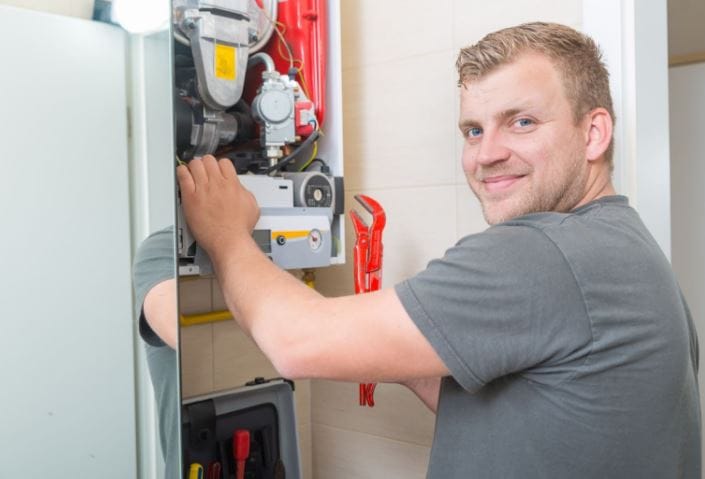
Routine servicing helps reduce strain on system components while improving efficiency and extending equipment lifespan. Filters, vents, coils, refrigerant levels, and airflow balance all affect overall system performance. Preventative maintenance is often significantly cheaper than emergency replacement or large-scale repair work.
Plumbing Problems Frequently Start Small
Many serious plumbing emergencies begin as minor issues homeowners initially dismiss. Slow drains, small leaks, inconsistent water pressure, or subtle moisture buildup may not appear urgent, but they often indicate larger problems developing inside walls, pipes, or drainage systems.
Water damage becomes especially expensive because it spreads quietly. Moisture trapped behind walls or beneath flooring can contribute to mold growth, weakened materials, insulation damage, and long-term structural deterioration before obvious symptoms appear.
Homeowners scheduling regular evaluations for plumbing & HVAC in Boulder, CO and similar integrated home systems often prioritize prevention because plumbing and climate-control issues tend to escalate quickly once damage begins spreading beyond the original source. Early intervention is usually the most effective way to limit repair costs over time.
Drainage and Water Management Are Frequently Overlooked
One of the most underestimated causes of home damage is poor water drainage around the property itself. Gutters, downspouts, grading, and exterior drainage systems all play a major role in protecting foundations and preventing water intrusion.
When water collects too close to the structure repeatedly, it can gradually affect basements, crawl spaces, landscaping, and foundation stability. These issues may develop slowly for years before becoming visible enough to demand major repairs.
Regular gutter cleaning, drainage inspections, and seasonal exterior evaluations help reduce the likelihood of long-term water accumulation problems. Proper drainage management is often one of the simplest forms of preventative home maintenance yet one of the most commonly neglected.
Small Maintenance Delays Often Become Expensive
One of the biggest financial mistakes homeowners make is postponing smaller repairs because the issue does not seem urgent immediately. Minor leaks, loose materials, unusual noises, or declining system performance are frequently ignored until they become impossible to overlook.
The problem is that home systems are interconnected. A roof leak may eventually affect insulation and drywall. HVAC inefficiency may increase strain on electrical components. Plumbing leaks may contribute to mold or flooring damage. Small problems rarely remain isolated for long.
Seasonal Changes Put Additional Stress on Homes
Different seasons expose homes to different forms of stress. Summer heat increases HVAC workload, winter freezes affect pipes and roofing materials, storms challenge drainage systems, and humidity fluctuations impact ventilation and moisture control.
Homes that are not regularly evaluated during seasonal transitions are more vulnerable to sudden failures when weather conditions become more extreme. This is especially true in regions where temperatures shift dramatically throughout the year.
Seasonal maintenance routines help homeowners prepare systems before high-demand periods begin. Servicing heating systems before winter or checking roofing before storm seasons often reduces the likelihood of emergency repairs occurring during peak weather conditions.
In cities with sharp seasonal swings, a pre-winter and pre-summer check is one of the simplest ways to avoid a breakdown when demand peaks; specialists in heating and cooling in Canberra, for example, tend to book out quickly once the first cold snap arrives.
Homeowners Benefit Most From Consistent Attention
Many people assume preventing major home repairs requires large investments, but consistency usually matters more than expensive upgrades. Regular inspections, timely maintenance, drainage management, filter replacement, and addressing small issues early can dramatically improve long-term home reliability.
The homes that experience fewer major emergencies are often not the newest or most expensive properties. Instead, they are usually the homes where systems receive steady attention before visible problems become severe.
Unexpected repairs can never be eliminated completely, but homeowners who treat maintenance as an ongoing responsibility rather than a reaction to emergencies often reduce both stress and long-term costs significantly over time.