Outdoor Event Safety: What Every Planner Needs to Know
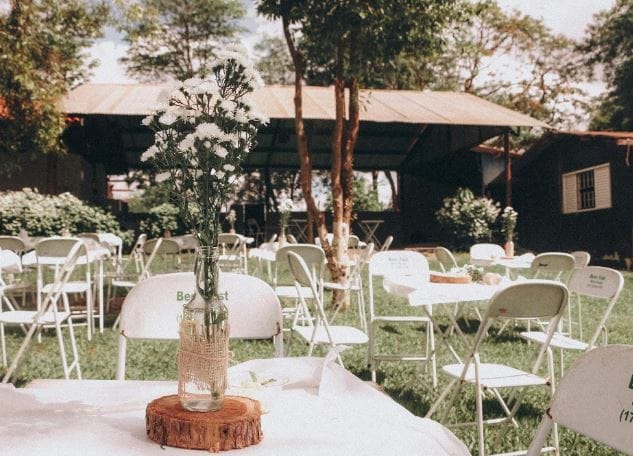
Outdoor events offer a unique sense of freedom and excitement for guests. Organizing gatherings requires a deep focus on logistics to keep every person safe. Planning for a park or open field is much different than using a traditional indoor venue.
Success comes from spotting risks before they turn into real problems. Planners spend months looking at every detail from the ground up.
Mapping The Ground Rules
A clear map helps every worker know where to go during a busy day. A recent industry guide explained that site plans must show the location of every structure and exit to keep guests safe. Clear markers on maps prevent confusion when someone needs help.
Staff members should carry physical copies of the map at all times. Digital maps are great, but battery life or a poor signal can make them hard to use. Having a backup plan keeps the team moving when technology fails.
Placing exits in the right spots prevents bottlenecks when people leave at the same time. Wide paths allow for a smooth flow and keep the crowd from feeling cramped.
Improving Guest Hygiene
Sanitation keeps everyone safe and happy at an outdoor gathering. Adding a free standing hand wash station helps prevent the spread of germs at food courts. Placing units near restrooms and dining zones is a smart move.
Soap and water are much better than gel alone for cleaning hands. Guests appreciate having a real way to wash up after eating or using the facilities. Keeping stations full and tidy shows that the planners care about health.
Small details like trash removal also play a role in hygiene. Overfull bins attract pests and create a mess that guests have to walk through. Regular pick-ups keep the area looking nice and smelling fresh all day long.
Monitoring The Skies
Nature does not always follow a schedule. One expert publication suggested that weather planning should start months before the event to account for long lead times. Having a clear plan for wind or rain keeps guests from getting trapped in a bad spot.
High winds can turn tents and signs into dangerous objects very quickly. Planners must track the forecast and have a cutoff point for closing certain areas. Safety comes first, even if it means pausing the show for a short time.
Lightning is a major concern for any event held in an open field. Having a safe place for people to shelter is a requirement for any large crowd. Working with a weather service provides real-time alerts that help the team make fast choices.
Staying Cool And Hydrated
High heat leads to medical emergencies quickly during the summer months. A professional meeting journal recommended stocking twice the usual amount of water to keep people hydrated. Keeping water cold and easy to find reduces the risk of heat stroke.
Shade is another tool for keeping guests safe from the sun. Large umbrellas or open tents give people a place to rest and cool down. Zones should be scattered throughout the venue, so no one has to walk too far.
Medical teams should be on standby to help anyone feeling dizzy or tired. Staff can watch for signs of heat exhaustion and guide guests to the cooling areas.
Managing Large Crowds
Large groups of people move in ways that can be hard to predict. Security teams use barriers and signs to guide the flow of traffic in a calm way. Keeping the pace steady prevents pushing and shoving near the main stage or entrance.
Planners use several tools to keep order:
- Metal barricades for line control.
- Bright vests for all safety staff.
- Public address systems for clear messages.
- Lighting for paths after the sun goes down.
Training the staff to handle large groups is a top priority for any lead planner. Every worker should know how to spot a crowd that is getting too thick. Moving people to open spaces keeps the atmosphere light and fun.
Setting Up Communications
Radio systems allow the team to talk across long distances without any delay. Cell phones often fail when thousands of people use the same local towers at once. Dedicated channels for security and medical teams keep the lines of communication open.
Simple language works best when things get busy or loud. Using clear codes helps the team react without sharing private info over the air.
Signs also act as a silent form of communication for the guests. Large and bright lettering helps people find the exit or the first aid tent from far away. Good signs reduce the number of questions the staff has to answer every hour.
The work that goes into a safe event often goes unseen by the public. That is the goal of every good planner: to create a space where safety feels natural. Guests leave with great memories and a desire to return next year.
Taking the time to check every detail builds a strong reputation for any event brand. Planners who focus on safety see more success over the long term. A careful approach turns a simple gathering into a landmark experience for the whole community.