How to Prep Your House for a Professional Roof Replacement
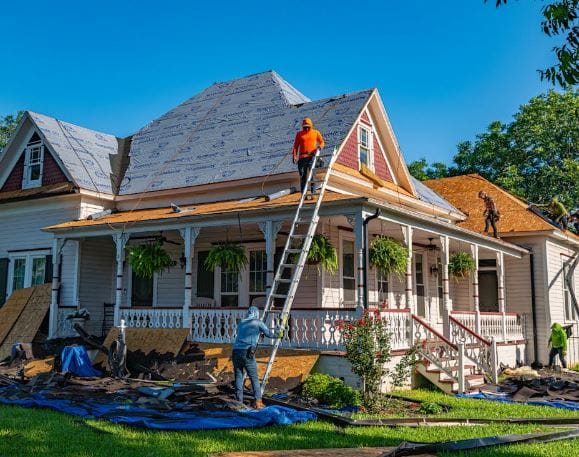
Getting a new roof is a major home improvement project that requires preparation. Taking a few proactive steps before the crew arrives helps the process go smoothly. Homeowners can avoid common headaches by understanding what to expect during construction.
You can protect your belongings and keep construction workers safe by planning. A little coordination clears the way for a highly successful installation day. Preparing your property keeps everything intact from start to finish.
Clear the Yard
The outdoor space around your home becomes a construction zone during a tear-off project. Moving patio furniture, grills, and potted plants prevents accidental damage from falling shingles. These simple steps keep your valuable outdoor living items clean – and safe.
Foot traffic will increase significantly as workers move materials back and forth. Finding the right roofing company makes coordination simple since they explain the schedule beforehand. This communication helps you know exactly when to clear your driveway.
One roofing guide suggests creating a 15-foot clearance zone around the entire perimeter of your home. Keeping this area empty gives the crew ample space to set up ladders safely. A wide perimeter prevents heavy bundles from striking your exterior features.
Protect Interior Belongings
Heavy hammering on your roof creates constant vibrations throughout the framework of your house. These strong movements can travel down interior walls and cause loose decorations to shift. Preparing the inside of your home is just as necessary as clearing the yard.
Removing hanging pictures, mirrors, and delicate decorations prevents them from falling off shelves. Knick-knacks on high ledges should be packed away temporarily to avoid unexpected accidents.
The attic space needs special attention since it sits directly underneath the construction area. Covering storage bins with large plastic sheets keeps dust and falling drywall debris off your keepsakes. Sweeping the attic floor later removes any small particles that filtered through.
Protect Vehicles and Driveways
Large trucks need clear access to park near your house for loading and unloading materials. Moving your cars to the street keeps them safe from falling shingles or stray nails. An open street parking spot keeps your vehicles functional and keeps the work area open.
A recent market report states that the typical national consumer range for a total replacement goes from $5,871 to $13,228. Protecting your financial investment starts by keeping the workspace clear for these materials. A safe site prevents expensive accidents from driving up the final cost.
Delivery drivers will appreciate having an open driveway to drop off heavy shingle bundles safely. This open space allows the crew to position their large dumpsters close to the roofline. Keeping the path clear speeds up the cleanup process when the project concludes.
Plan for Noise and Pets
The sound of mechanical nail guns and tearing materials is loud and can last for hours. This intense noise often disrupts working from home or trying to relax during the daytime. Understanding this noise level ahead of time helps you adjust your daily expectations.
Pets can become highly stressed by the loud thumping sounds coming directly from above. Arranging a temporary stay at a local boarding kennel keeps your furry friends calm. Removing animals from the home avoids behavioral issues caused by extreme construction anxiety.
Small children might find the constant overhead noise frightening or disruptive to their regular nap schedules. Planning day trips away from the job site helps everyone maintain their usual peace of mind. Returning home after the crew leaves provides a much quieter environment.
Manage Exterior Power and Outlets
Roofers utilize heavy extension cords to power their specialized tools throughout the project. Providing accessible outdoor electrical outlets saves valuable time during the initial setup process each morning. Contractors appreciate knowing where they can plug in their gear without searching.
If your exterior outlets do not function properly, let the project supervisor know ahead of time. They can bring portable generators or make alternative arrangements to power their specialized equipment. Discussing power needs early prevents unexpected delays on the first morning.
Safety remains a top priority, so keeping cords flat against walkways prevents dangerous tripping hazards. Clearly marking any outdoor hazards helps the crew avoid accidents during busy construction hours. Maintaining an organized site protects both the workers and your family.
Trim Trees and Shrubbery
Low-hanging tree branches can block workers from accessing specific sections of your roof safely. Pruning these limbs back opens up the workspace and prevents damage to freshly installed shingles.
Shrubs and flowerbeds close to the house foundation need extra protection from falling old materials. Placing heavy wooden boards or durable tarps over delicate garden beds shields your plants from harm.
Property owners can safeguard their outdoor features with a quick checklist:
- Cut the lawn short to make finding dropped nails simple.
- Cover delicate flower beds with protective tarps.
- Flag underground sprinkler heads to prevent equipment damage.
Preparing your home for a professional roof replacement requires a small amount of upfront organization. Taking these basic precautions protects your valuable property and supports the construction crew. Your proactive efforts make the entire installation process safer and faster for everyone.
A clean workspace allows the installation team to focus on building a durable structure. Your preparation turns a complex construction project into a smooth home upgrade. Enjoying your new roof is much easier when the process goes exactly according to plan.