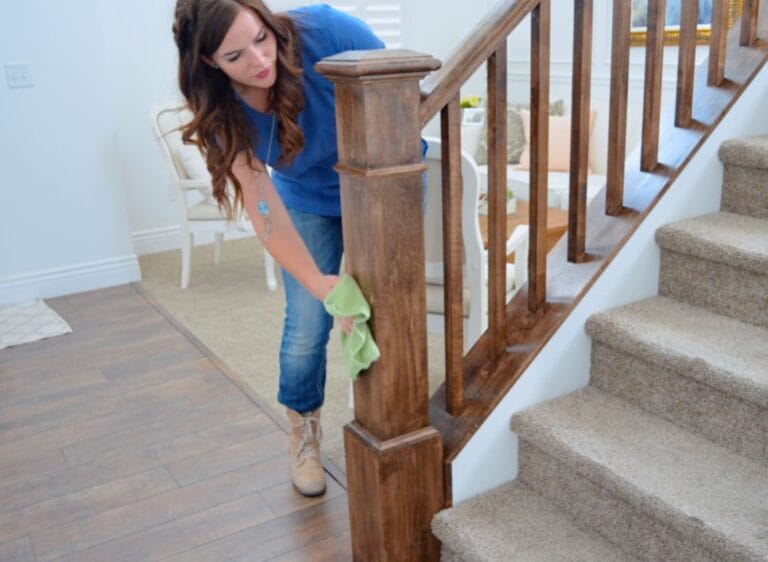
The Move-Out Cleaning Checklist That Actually Protects Your Deposit
Move-out cleaning in the DMV (DC, Maryland, Virginia) rental market has gotten more demanding over the last few years. Landlords and property managers have tightened standards, professional cleaners have set a higher bar for what “clean” looks like, and the competitive DC-area rental market means owners have less tolerance for wear that used to pass inspection. The practical result is that tenants who do their own move-out cleaning to the same standard they used five years ago often see deposit deductions they weren’t expecting. The cleaning checklist that protects the full deposit now requires more attention to details most renters skip.
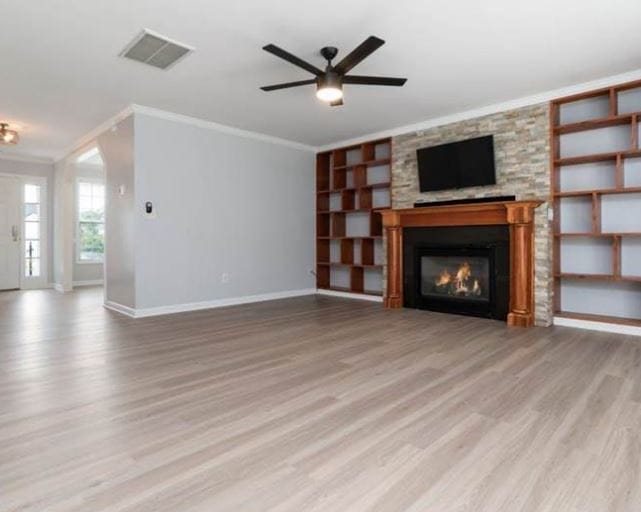
Alt text: Cleaning supplies arranged in an empty living room ready for move-out inspection
For tenants coordinating a move across state lines, working with established movers like Coastal Moving Services handles the logistics side cleanly, but the cleaning side stays with you. The actual cleaning work is straightforward when you know what landlords inspect for. Here’s the room-by-room checklist that matches current DMV inspection standards and gives you the best chance of full deposit return.
Why Have Move-Out Cleaning Standards Gotten Stricter?
Three market dynamics have pushed standards up over the last few years.
DMV-area vacancy rates are tight. Landlords can turn units quickly if the cleaning baseline is high. That economic reality makes them less tolerant of marginal cleanliness at handover. The broader question of which cities near Washington DC offer the most livable rental markets shapes tenant bargaining power on both ends of the move.
Professional turnover cleaning has become the norm. More units now pass through professional cleaning services between tenants, which resets the visible baseline higher. When the next tenant walks in expecting that professionally-cleaned look, anything less during move-out reads as inadequate.
Inspection checklists have gotten specific. Many property managers use detailed move-out checklists that quantify what counts as clean. Appliance interiors, HVAC filters, and baseboards are on those checklists now; they weren’t ten years ago.
Documentation burden shifts to tenant. Because disputes happen, savvy tenants now photograph move-out condition themselves. Undocumented handovers favor the landlord’s inspection report. Photograph everything before returning keys.
Room by Room: The Checklist That Actually Works
The checklist below is the version that matches current DMV inspection standards.
Kitchen
- Appliance interiors. Oven, stovetop, microwave, and refrigerator interiors need to be genuinely clean, not just wiped. Oven glass, refrigerator seals, and under-the-stovetop panels are the commonly-inspected spots that fail surface-cleaning attempts.
- Dishwasher. Run an empty cycle with a dishwasher-safe cleaner; wipe the seal and filter; leave the door open to air dry.
- Cabinet interiors. Empty all cabinets, wipe interior surfaces, and clean visible grease buildup above the stove area.
- Sink and faucet. Descale the faucet aerator (white vinegar works); clean drain catch; remove any soap scum from the sink basin.
- Backsplash and walls behind the stove. Grease splatter here is the failure mode that most tenants skip. Use a degreaser and commit time to it.
- Floor including under appliances. Move the oven and refrigerator if possible; clean under and behind them.
Cleaning-product pairings using dish soap and vinegar combinations handle most kitchen surfaces without harsh chemicals. For stubborn grease, commercial degreasers are still faster.
Bathroom
- Grout lines. Mildew in grout is the single most common deposit deduction point. Bleach-based grout cleaner or a dedicated grout brush solves it.
- Faucet and showerhead descaling. Mineral buildup makes fixtures look dingy; vinegar soak overnight resets them.
- Caulk lines. Check for mildew in caulk around tub, shower, and sink. Minor mildew can be cleaned; deep mildew requires recaulking.
- Toilet including behind and under base. The tank exterior, base gasket, and behind the toilet often get skipped.
- Exhaust fan cover. Dust buildup here shows up in inspection photos.
- Medicine cabinet interior. Empty, wipe, and dry.
Bedrooms and Living Areas
- Baseboards. Dust and scuff marks on baseboards are always on the inspection checklist. Magic eraser handles scuff marks; microfiber cloth handles dust.
- Window tracks. Vacuum the sliding track first, then wipe with damp cloth. Dead insects and dust here are standard findings.
- Blind slats or curtain rods. If blinds came with the unit, dust each slat. Missing or broken slats get charged to tenant.
- Light fixtures and ceiling fan blades. Dust accumulation here is visible when you look up from the door frame.
- Closet shelves. Empty, wipe, and check for hanger marks on walls.
- Floor corners and under furniture positions. Dust bunnies here are universal failing points.
Walls and Doors
- Nail holes filled. Spackle and lightly sand. Paint-matching for touch-ups is usually expected.
- Scuff marks on walls. Magic eraser removes most marks; a full wall wipe-down with a diluted all-purpose cleaner catches the rest.
- Door handles and around doorknobs. Oil and dirt accumulation here is visible.
- Light switch plates. Remove, wipe behind them, reinstall clean.
How to Choose Safer Cleaning Products for Move-Out
Move-out cleaning involves a lot of product exposure in a short time. Choosing safer options protects you and the incoming tenant.

Alt text: Person cleaning a kitchen sink with a spray bottle during move-out preparation
Guidance from the EPA’s Safer Choice program identifies products certified to meet specific human-health and environmental standards. For move-out cleaning specifically, the EPA’s program recognizes:
- All-purpose cleaners for walls and hard surfaces
- Glass and window cleaners
- Floor cleaners by surface type
- Laundry detergent for final curtain wash
Resources from the American Cleaning Institute on cleaning product disposal cover proper handling of leftover products you won’t transport to the new home.
What’s the Right Day-Before vs Day-Of Timing?
The tactical ordering matters for a smooth move-out.
Day before move-out:
- Deep-clean oven and appliance interiors
- Clean refrigerator and leave it empty with door slightly open
- Bathrooms fully deep-cleaned
- Wipe baseboards, window tracks, blinds
- Clean light fixtures and ceiling fans
- Fill nail holes and touch up paint
Morning of move-out (before loading):
- Vacuum carpets one final time
- Mop hard floors
- Wipe down kitchen counters and sink
- Final toilet and sink wipe-down
- Photograph every room
After loading (before key return):
- Sweep or vacuum each room a final time after furniture leaves
- Clean under the refrigerator and stove (now accessible)
- Clean any marks left by furniture placement
- Final photography of each empty room
What Are Common Deposit-Reducing Mistakes?
After enough moves and enough deposit deductions, certain patterns repeat.
Skipping the detailed inspection points. HVAC filters, dryer vents, and exhaust fans are frequently the exact items that trigger deductions. They’re easy but get forgotten.
Cleaning only visible surfaces. Cleaning inspectors check less-visible areas specifically because they reveal whether a real cleaning happened. Under appliances, behind toilets, and top shelves in closets are the telltale spots.
Over-wiping painted surfaces with harsh cleaners. Some all-purpose cleaners strip paint. Test in an inconspicuous area before committing to a wall.
Not photographing before and after. Without photos, your word versus the landlord’s is settled by whoever has documentation. Photograph in detail.
Leaving cleaning products behind. Open bottles of cleaning products left in the unit are sometimes treated as disposal fees. Take them or dispose properly.
What to Remember
- DMV-area move-out cleaning standards have tightened; follow the current checklist, not the 2015 version
- Document everything photographically at handover; undocumented handovers favor the landlord
- Kitchen and bathroom are where deposit deductions most commonly originate
- Safer Choice certified cleaners work for most move-out tasks without harsh chemicals
- Timing matters; some tasks are day-before and some are morning-of-loading
The Bottom Line on Protecting Your Deposit
Full deposit return is almost always possible in the DMV market if you treat move-out cleaning as a structured project rather than a weekend chore. Follow the room-by-room checklist above, photograph everything before and after, use appropriate cleaning products for each surface, and time the deep-clean work before loading day rather than after. The average deposit deduction ranges from $200 to $600 depending on property; the cost of doing the cleaning properly runs $50-$100 in products plus a weekend of work. The math favors doing the work.
Frequently Asked Questions
Should I hire a professional cleaning service instead of DIY?
Professional move-out cleaning in the DMV runs $200-$400 for a typical apartment. If your time is worth more than that, or if your landlord is known for strict inspections, the ROI is usually positive.
What if the previous tenants left the unit in worse condition than I’m returning it?
Document the move-in condition carefully. If you have photographic evidence of prior condition, you’re not responsible for restoring to a better state than you received.
Can carpets be cleaned DIY or do they need professional attention?
Rental-grade steam cleaners (Rug Doctor, Bissell) work for most stains. Deep pet stains or long-ingrained dirt usually need professional cleaning; the cost is worth it to avoid carpet replacement charges.
What’s the rule on painting touch-ups before move-out?
Touch up paint if you have the original color and can match. If you don’t have the color, don’t paint over; a mismatched touch-up looks worse than the original scuff. Let the landlord repaint and accept the minor deduction.