How to Decorate Your Home for Parties and Celebrations
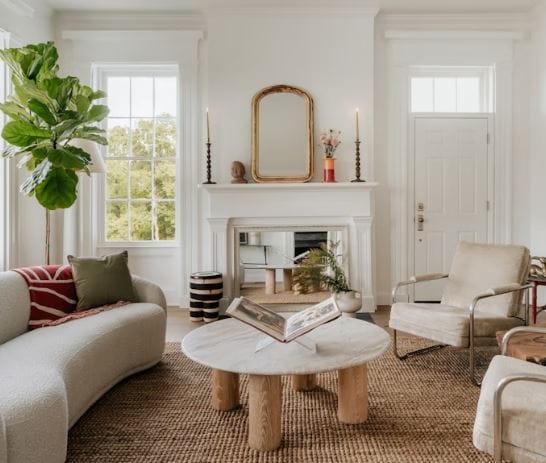
Decorating a home for parties and celebrations requires a structured approach that balances aesthetics, functionality, and spatial efficiency. The goal is to transform a familiar environment into a setting that supports social interaction, visual appeal, and event flow.
Effective decoration is not about adding excessive elements. It is about selecting and arranging the right components so that the space remains organized while delivering a strong visual impact. Each decision of color, lighting, and placement should support both the theme and usability.
Define a Clear Theme and Color System
Every successful setup starts with a defined theme. This acts as a framework for all design choices, including colors, materials, and decorative elements.
Themes should be simple and repeatable. Overcomplicated concepts often lead to inconsistent visuals and cluttered layouts.
A controlled color palette ensures cohesion. Limit selections to a small number of complementary tones and apply them consistently across all elements.
- Primary colors: Used for large surfaces and key decor
- Accent colors: Applied sparingly to create contrast
- Material alignment: Keep finishes consistent across items
This structure allows the space to feel intentional rather than overloaded.
Plan Layout and Guest Movement
Decor must support movement. Poor layout design can disrupt flow and reduce comfort, especially in high-traffic areas.
Start by identifying zones within the home. These typically include entry areas, social spaces, dining zones, and activity sections.
Furniture should be arranged to create clear pathways. Avoid blocking access points or clustering items too closely together.
Open space is important. It allows guests to move freely and prevents the environment from feeling crowded.
Use Lighting to Control Atmosphere
Lighting is one of the most effective tools in event design. It affects how colors appear, how spaces feel, and where attention is directed.
Layered lighting creates depth. Combine ambient lighting for general visibility with accent lighting to highlight specific features.
Decor elements like neon signs can function as both lighting and focal points. These installations introduce controlled color and visual emphasis without requiring additional physical decor.
Light temperature should match the event tone. Warm lighting creates a relaxed setting, while cooler lighting supports more energetic gatherings.
Create Focal Points and Visual Anchors
Focal points define the visual hierarchy of the space. They draw attention and reinforce the theme.
Common focal areas include entryways, feature walls, and central tables. These locations should be designed to capture attention immediately.
Scale matters. Larger elements anchor the space, while smaller details support the overall design.
Avoid multiple competing focal points. A single strong anchor, supported by secondary elements, is more effective.
Layer Decor for Depth and Dimension
Flat designs lack visual interest. Layering introduces variation and creates a more dynamic environment.
This can be achieved by combining elements at different heights. Table decorations, wall features, and suspended items should work together without overlapping excessively.
- Vertical elements: Add height variation
- Foreground and background separation: Improves clarity
- Controlled spacing: Prevents clutter
Layering should enhance the design without overwhelming it.
Incorporate Personalized and Interactive Elements
Personalization adds meaning to the event. Custom elements help reinforce the theme and create a more engaging experience.
These can include signage, name displays, or themed messages. Placement should ensure visibility without disrupting flow.
For outdoor or entry-level decoration, items like die cut yard signs provide a practical way to introduce the theme before guests enter the main space. Their custom shapes allow them to align closely with the event concept.
Interactive elements can also increase engagement. Photo areas or activity stations encourage participation while supporting the overall design.
Balance Aesthetics With Functionality
Decor should not interfere with usability. Tables, seating, and service areas must remain accessible.
Functional areas require additional planning. Food stations, drink setups, and seating arrangements should be easy to navigate.
Materials should be chosen based on durability. Items that will be handled frequently must withstand use without damage.
Balancing design and function ensures that the space remains practical throughout the event.
Manage Setup and Installation Efficiently
Preparation time is a critical factor. Complex setups can lead to delays and inconsistencies.
Start with large elements such as backdrops or furniture placement. Build around these with smaller decorative details.
Modular and lightweight items simplify installation. They are easier to position and adjust as needed.
A structured setup process reduces errors and ensures that the final layout matches the intended design.
Maintain Cleanliness During the Event
Cleanliness directly affects how decor is perceived. Dust, spills, and clutter reduce the effectiveness of even well-designed spaces.
Surfaces should be cleaned before the event begins. During the event, quick maintenance routines help keep the space organized.
- Surface wiping: Prevents buildup and stains
- Waste management: Keeps areas clear of clutter
- Floor maintenance: Reduces visible debris
Consistency is key. A clean environment supports both comfort and visual clarity.
Post-Event Cleaning and Reset
After the event, proper cleaning ensures that the home returns to its original condition. This step is often overlooked but is essential for maintaining long-term usability.
Decor removal should be done systematically. Start with smaller items, then move to larger installations.
Deep cleaning should follow. This includes floors, surfaces, and any areas affected by food or heavy traffic.
For homeowners who prefer a more efficient reset, professional cleaning services can handle post-event cleanup. This ensures that all areas are restored to a high standard without requiring additional effort.
Conclusion
Decorating a home for parties and celebrations requires precision and planning. A clear theme, structured layout, and controlled use of lighting create a cohesive environment.
Layering, focal points, and personalized elements add depth and engagement, while functionality ensures that the space remains usable.
Cleanliness before, during, and after the event is essential. It supports both presentation and comfort, ensuring that the environment remains effective throughout the entire process.
In practical terms, successful decoration is not about quantity. It is about selecting and arranging elements in a way that enhances both the visual and functional aspects of the space.