How to Clean Mango Wood: A Professional Guide to Preservation & Care
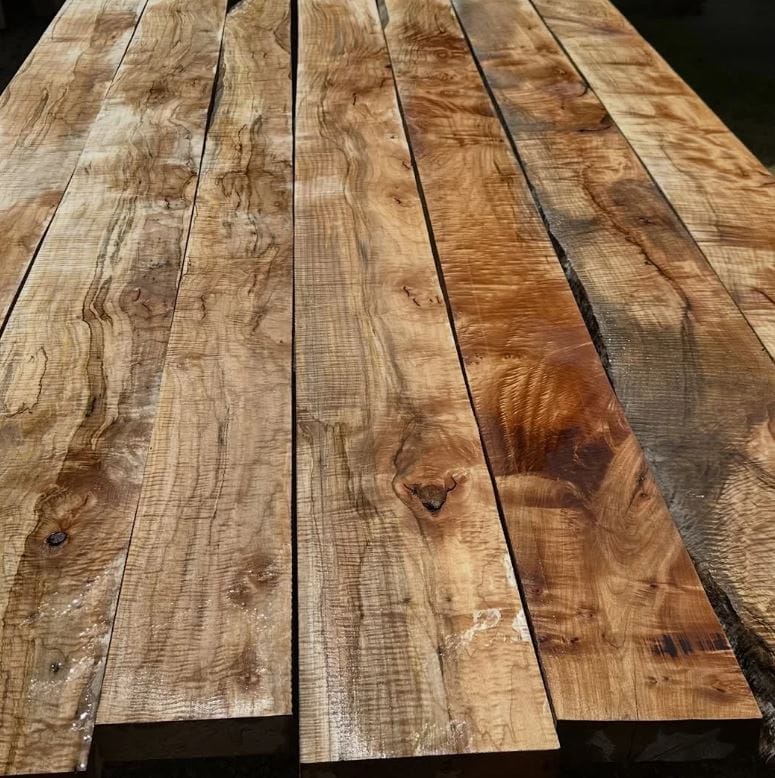
Mango wood (Mangifera indica) has surged in popularity for furniture, cutting boards, and decorative items. Known for its rich, variable grain and sustainable sourcing (fruit trees are repurposed after their productive life), mango wood is moderately hard but porous. Improper cleaning leads to cracking, fading, or water rings. This guide provides a definitive, step-by-step methodology to clean, sanitize, and preserve mango wood without damaging its natural beauty.
Understanding Mango Wood: Why Cleaning Differs
Before cleaning, recognize two critical facts:
- Porous surface: Mango wood absorbs liquids quickly, causing swelling or stains.
- Variable finish: Items vary from raw, oiled wood to sealed polyurethane or lacquer. Always test an inconspicuous area first.
| Finish Type | Cleaning Method | Risk Factors |
|---|---|---|
| Unfinished / Oiled only | Dry dust + damp (not wet) cloth; re-oil | Water absorption, warping, food bacteria |
| Lacquered / Sealed | Mild soap solution + soft cloth | Abrasive pads (remove shine), solvent damage |
| Painted / Whitewashed | Dry microfiber + gentle pH-neutral cleaner | Scratching through paint layer |
Essential Tools & Cleaning Agents
Do not use: Vinegar (acidic, dulls finish), baking soda (abrasive), steam cleaners (forces moisture into pores), or citrus-based solvents (strip natural oils).
| Tool / Agent | Purpose | Pro Grade Recommendation |
|---|---|---|
| Microfiber cloth (lint-free) | Dusting & drying | Zwipes or e-cloth (no scratches) |
| Soft-bristle brush (horsehair) | Carved / grooved areas | Oxo Good Grips Detail Brush |
| pH-neutral dish soap (7.0) | General cleaning | Seventh Generation or Dawn Ultra (diluted) |
| Mineral spirits | Wax/grease removal (sealed wood only) | Klean Strip (odorless) |
| Orange oil soap (diluted) | Oiled-finish cleaning & conditioning | Murphy Oil Soap (1:10 ratio) |
| 100% cotton towel | Final drying | Surgical grade (no lint) |
Step-by-Step Cleaning Protocol
Phase 1: Routine Cleaning (Daily to Weekly)
- Remove dry dust: Use a microfiber cloth folded into quarters. Wipe with the grain to avoid micro-scratches. For turned legs or carved details, use a soft brush at 45° angle.
- Spot clean: Dampen (not soak) a separate cloth with distilled water. Wring until barely moist. Blot—do not rub—the soiled area.
- Immediate drying: Follow immediately with a dry cotton towel. Never let water pool.
Phase 2: Deep Cleaning (Monthly or as needed)
For built-up grime, food residue (on cutting boards), or oily fingerprints.
| Step | Action | Duration |
|---|---|---|
| 1 | Prepare solution: 2 cups warm water + 2 drops pH-neutral soap. Stir gently. | 1 min |
| 2 | Dip cloth, wring until damp (no dripping water). | – |
| 3 | Wipe a 12” x 12” section in circular motion, then with grain. | 30 sec |
| 4 | Immediately dry with clean cloth. Repeat for entire piece. | 2 min |
| 5 | For sealed wood only: buff with dry microfiber to restore sheen. | 1 min |
Caution: On oiled or unfinished mango wood, skip Phase 2 entirely. Use a wood-specific cleaner (e.g., Guardsman Wood Cleaner) applied to cloth, not directly onto wood.
Phase 3: Stain & Residue Removal
| Type of Stain | Solution | Professional Tip |
|---|---|---|
| Water rings (white) | Lightly rub with mayonnaise or 1:1 toothpaste (non-gel) + baking soda. | Buff with dry cloth; re-oil if needed. |
| Dark spots (mold/tannin) | 1 part hydrogen peroxide (3%) + 3 parts water. Dab, wait 2 mins, wipe. | Wear gloves; test on underside first. |
| Grease / oil | Sprinkle cornstarch or talc; leave 2 hours; vacuum with brush attachment. | Then wipe with mineral spirits (sealed wood only). |
| Red wine / coffee | Mix 1 tbsp salt + 1 tsp water to form paste. Apply, let dry, brush off. | Blot spills immediately—never rub. |
Post-Cleaning: Reconditioning & Protection
For oiled or unfinished mango wood (e.g., salad bowls, butcher blocks, raw furniture):
- After cleaning and 24 hours of drying, apply food-safe mineral oil or tung oil (100% pure, no additives).
- Use a lint-free cloth to apply a thin, even coat.
- Let penetrate 20 minutes; wipe off excess.
- Repeat monthly or when water stops beading on surface.
For sealed / lacquered mango wood:
- Do not oil. Use a furniture polish spray (e.g., Pledge Gentle Clean) once every 3 months.
- Avoid wax polishes—build-up becomes hazy.
Maintenance Comparison: Sealed vs. Oiled Mango Wood
| Aspect | Sealed / Lacquered Mango Wood | Oiled / Unfinished Mango Wood |
|---|---|---|
| Cleaning frequency | Weekly dust; monthly deep clean | Daily wipe; re-oil every 4–6 weeks |
| Water resistance | High (30 minutes to seep) | Low (wipe spills in <10 seconds) |
| Suitable cleaners | Diluted soap, mineral spirits | Only oil soap or dedicated wood cleaner |
| Restoration difficulty | Difficult (requires sanding/recoat) | Easy (re-oil or buff) |
| Lifespan without care | 8–10 years (then finish cracks) | Indefinite (if oiled regularly) |
Common Mistakes to Avoid
- Using steam mops on mango wood floors → instantaneous grain raising and delamination.
- Submerging mango cutting boards → bacterial growth inside cracks.
- Applying olive/coconut oil → rancidity, sticky residue, mold food.
- Placing wet cloths overnight → permanent gray discoloration (tannin oxidation).
When to Call a Professional
Seek a conservator or professional wood restorer if:
- The mango wood has deep cracks (over 3mm wide).
- Flaking finish or bubbling lacquer (moisture trapped).
- Infestation (powderpost beetles — fine dust below piece).
Final Pro Checklist
✅ Identify finish type (water bead test: if water beads, it’s sealed).
✅ Always dust before any wet cleaning.
✅ Wring cloth until nearly dry.
✅ Dry immediately after cleaning.
✅ Re-oil unfinished pieces monthly.
✅ Keep mango wood out of direct sunlight to prevent fading.
By following this protocol, your mango wood will maintain its rich honey-to-chocolate patina and structural integrity for decades. Clean with intention, not with force—mango wood rewards gentle, consistent care.