The Definitive Guide: How to Clean Mahogany Wood (Preserve & Restore)
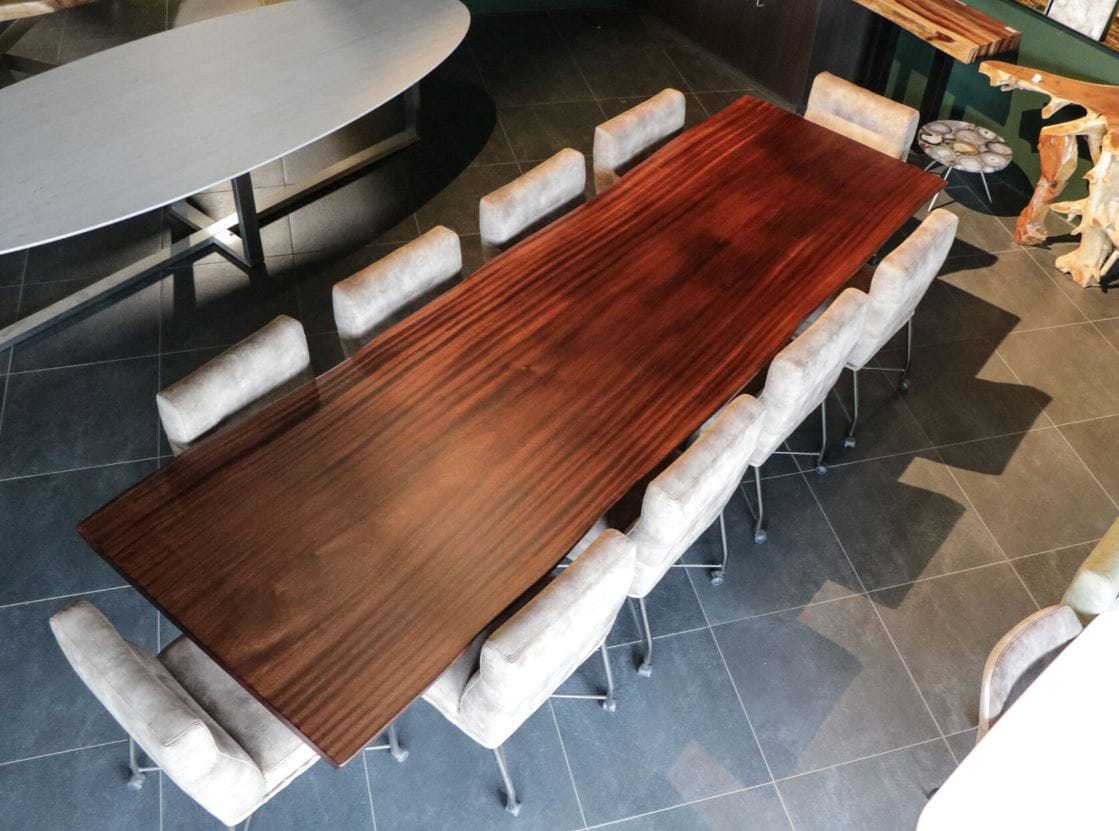
Mahogany is a premium hardwood prized for its rich reddish-brown hue, straight grain, and exceptional durability. Used in everything from antique furniture and yacht interiors to flooring and musical instruments, mahogany requires specific care. Incorrect cleaning leads to dullness, wax buildup, or permanent film damage.
This guide provides a professional, step-by-step methodology for cleaning, maintaining, and restoring mahogany wood—distinguishing between finished and unfinished surfaces.
Understanding Mahogany: Why Cleaning Differs
Before cleaning, identify your surface type. Mahogany is typically sealed with one of three finishes:
| Finish Type | Common Appearance | Cleaning Risk Level | Recommended Cleaner |
|---|---|---|---|
| Polyurethane/Varnish | Glossy or satin, plastic-like feel | Low | Mild soap & water |
| Shellac/Lacquer | Warm, amber glow; prone to water rings | Medium | Dry or mineral spirits |
| Oil/Wax (Unsealed) | Matte, natural feel; absorbs liquids | High | Specialized oil soap |
Critical Warning: Never use all-purpose cleaners (e.g., Pine-Sol, bleach, vinegar) on mahogany. Acidity and alkalinity break down lignin (wood’s natural binder), causing discoloration and grain raising.
Step 1: Routine Dusting (Daily to Weekly)
Dust acts as an abrasive. Over time, wiping dry dust across mahogany creates microscratches (visible as “spiderwebbing”).
- Tool: Extra-soft microfiber cloth (static-charge treated) or lambswool duster.
- Technique: Mist cloth with distilled water very lightly (never spray wood directly). Wipe in the direction of the grain.
- Avoid: Feather dusters (they redistribute dust) and dry paper towels (cellulose fibers scratch).
Step 2: Deep Cleaning (Monthly or Quarterly)
For removing accumulated grime, hand oils, and smoke residue.
Materials Needed
- 2× microfiber cloths (one damp, one dry)
- Distilled water (tap water has minerals that leave white spots)
- Castile soap (unscented) or mild dish soap (e.g., Dawn Free & Clear)
- Clean, soft-bristled brush (for carved details)
Procedure for Finished Mahogany
| Step | Action | Key Detail |
|---|---|---|
| 1 | Mix 1 tsp soap per 2 cups warm distilled water | Too much soap leaves a hazy film |
| 2 | Dampen cloth—wring until barely moist (no dripping) | Excess moisture lifts veneer |
| 3 | Wipe a 2×2 ft section in circular motions, then with grain | Circular for grime, final pass with grain |
| 4 | Immediately dry with second cloth | Standing water = white rings |
| 5 | For carved areas: Use brush dipped in solution, then vacuum with brush attachment | Prevents soap buildup |
For Unfinished/Oiled Mahogany
- Do not use water. It raises grain and leaves blotches.
- Use a wood cleaner specifically for oiled surfaces (e.g., Osmo Liquid Wax Cleaner or Murphy’s Oil Soap diluted 1:10).
- Apply with white Scotch-Brite pad (non-scratch), wipe excess, then buff with lint-free cloth.
Step 3: Removing Common Stains
Mahogany is porous and reactive. Use this table for targeted treatment.
| Stain Type | Immediate Action | Secondary Treatment (if dried) |
|---|---|---|
| Water ring (white) | Hairdryer on low, 6 inches away; heat drives out moisture | Rub with naphtha (lighter fluid) on cloth, then paste of baking soda + mineral oil |
| Heat mark (milky) | Rub with extra-virgin olive oil + salt (1:1) as mild abrasive | Apply Restor-a-Finish (mahogany color) with 0000 steel wool |
| Ink or dye | Blot with isopropyl alcohol (91%)—test first on hidden spot | Oxalic acid (wood bleach) mixed with water; apply, neutralize with borax |
| Grease/oil | Cornstarch poultice (cover for 2 hours), vacuum off | TSP (trisodium phosphate) solution—1 tbsp per quart water; rinse immediately |
| Mold/mildew | 50:50 distilled white vinegar + water; dry with fan | Sand lightly (320 grit), then re-oil |
Step 4: Professional Comparison – Cleaning Products for Mahogany
Not all “wood cleaners” are equal. Below is a data-driven comparison.
| Product | pH | Best For | Leaves Residue? | Safe for Shellac? | Price per oz |
|---|---|---|---|---|---|
| Murphy’s Oil Soap | 9.5 | Oiled mahogany | Yes (oily) | No | $0.30 |
| Howard’s Feed-N-Wax | 6.5 | Old, dry finishes | Yes (beeswax) | Yes (thin layer) | $0.80 |
| Guardian Furniture Cleaner | 7.0 | Polyurethane | No | N/A | $1.20 |
| Mohawk Cleaner & Prep | 6.0 | Lacquer/shellac | No | Yes | $1.50 |
| Diluted dish soap | 8.5 | Weekly cleaning | No (if rinsed) | No | $0.05 |
Professional verdict: For most finished mahogany, Mohawk or Guardian offers zero-residue cleaning. Avoid Murphy’s on lacquered pieces—it leaves a dulling film that requires solvent removal.
Step 5: Restoring Dull or Oxidized Mahogany
If your mahogany looks gray or lifeless, it has oxidized. Cleaning alone won’t fix this.
Restoration Workflow
- Clean (as in Step 2).
- Lightly abrade: Use 0000 steel wool or gray Scotch-Brite pad with mineral spirits. Wipe with the grain. This removes oxidized top layer.
- Apply color & protection:
- For fine furniture: Liberon Black Bison Wax (mahogany shade) – buff after 20 min.
- For floors/tables: General Finishes Arm-R-Seal (oil-based urethane) – wipe-on, 2 coats.
- Final buff: With clean, dry cloth at high speed (use a random orbital buffer at 1500 rpm for flat surfaces).
Step 6: Maintenance Schedule for Mahogany
| Interval | Task | Product | Time required |
|---|---|---|---|
| Daily | Dust with microfiber | None (or dry cloth) | 2 min per piece |
| Weekly | Damp wipe (distilled water only) | Water + cloth | 5 min |
| Monthly | Deep clean with soap | Diluted Castile or Guardian | 15 min |
| Quarterly | Wax or polish (if desired) | Paste wax (carnauba-based) | 30 min |
| Annually | Inspect finish; spot-repair | Same as original finish | Variable |
What to Never Use on Mahogany
- Lemon oil or “Pledge” – Silicone oils penetrate and make future refinishing impossible (fisheyes in new finish).
- Steel wool + vinegar – Creates iron acetate, which reacts with mahogany’s tannins to form black stains (like ebonizing).
- Steam cleaners – Irreversibly raises grain and can delaminate veneer.
- Baking soda paste – Too alkaline; will darken mahogany to a muddy brown.
Frequently Asked Questions (Professional Answers)
Q: Can I use olive oil to clean mahogany?
No. Olive oil oxidizes into a sticky, rancid film that attracts dust and cannot be removed without solvents. Use mineral oil or a proper furniture oil.
Q: How do I clean antique mahogany (1800s) without removing patina?
Use only naphtha or odorless mineral spirits on a cotton cloth. These dissolve old wax and grime but will not harm shellac or original varnish.
Q: My mahogany table feels sticky. What went wrong?
Excess wax or silicone buildup. Remove with denatured alcohol (test first) or Mohawk Wax Wash. Then re-wax sparingly—one thin coat buffed off completely.
Final Professional Recommendation
For 95% of household mahogany cleaning: Distilled water + a drop of Castile soap, then dry immediately. That’s it. No commercial cocktail needed. Save specialized products for restoration or specific stains.
If your piece holds high monetary or sentimental value, consult a professional conservator (find via American Institute for Conservation). Never experiment on original finishes.