How to Clean Limestone Stains: A Professional’s Guide to Safe & Effective Restoration
Limestone is a timeless, elegant natural stone favored for flooring, countertops, fireplace surrounds, and facades. However, its beauty is matched by its notorious vulnerability. As a calcium carbonate-based sedimentary rock, limestone is highly porous and reactive to acids. A single drop of lemon juice or a muddy footprint can turn into a permanent etching or stain if handled incorrectly.
This guide provides a professional, step-by-step methodology to remove limestone stains without causing chemical burns (etching) or structural damage. We will cover stain identification, pH-neutral techniques, poultice application, and long-term sealing.
1. The Golden Rules of Limestone Cleaning (Read First)
Before applying any cleaning agent, internalize these three non-negotiable rules:
- Never use acidic cleaners: Vinegar, bleach, ammonia, lemon juice, or any product with a pH below 7 will dissolve the calcium carbonate, leaving dull etched marks that require re-polishing.
- Always test first: Apply any proposed cleaner to a hidden area (e.g., inside a closet or behind an appliance) for 24 hours.
- Blot, don’t wipe: When dealing with a liquid spill or cleaner, blot with a soft cloth. Wiping spreads the stain over a larger surface area.
2. Stain Identification Matrix
Different stains require different chemical approaches. Use this table to diagnose your stain.
| Stain Category | Common Sources | Visual Clue | Primary Remover |
|---|---|---|---|
| Organic | Coffee, tea, wine, juice, food, leaves, pet urine | Brown, pink, or yellow hues; often shadow-like | 12% Hydrogen Peroxide (food grade) |
| Oil-Based | Cooking oil, butter, lotion, mayonnaise, grease | Dark shadow that darkens when wet; lighter when dry | Acetone or Baking Soda poultice |
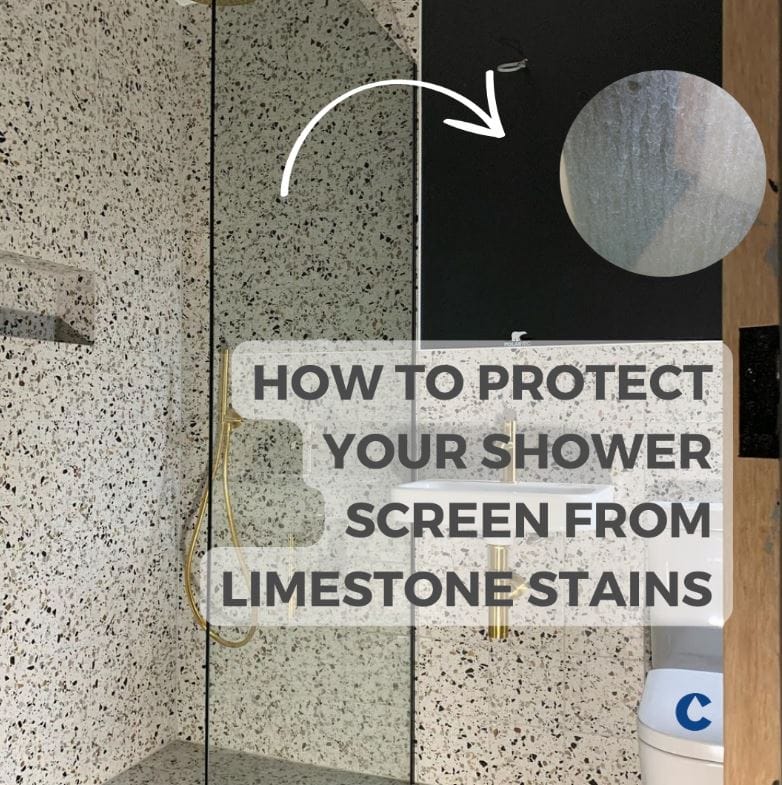
| Water & Mineral | Hard water, rain, mineral deposits | White, chalky rings or haze (limescale) | Rubbing alcohol (isopropyl) or distilled water |
| Inorganic/Rust | Metal furniture, fertilizer, well water | Orange, brown, or red sharp-edged stains | Commercial rust remover (non-acidic, stone-specific) |
| Biological | Mold, algae, mildew | Green, black, or dark spots in damp areas | Dilute hydrogen peroxide or oxygen bleach |
3. The Professional Cleaning Process (Step-by-Step)
Step 1: Initial Surface Cleaning
Remove loose dirt and debris using a soft-bristle nylon brush (never steel wire) and a neutral pH stone cleaner. Dry the area completely. Wet limestone is darker than dry limestone; you must identify the stain on dry stone to see its true extent.
Step 2: Choose Your Method Based on Stain Type
For Organic & Biological Stains (Coffee, Wine, Mold)
Method: Oxygen-based bleach paste.
Recipe:
- 2 tablespoons of 12% hydrogen peroxide (available at beauty supply stores)
- Enough baking soda (sodium bicarbonate) to form a paste
Application:
- Mix into a yogurt-like paste.
- Apply a ¼-inch thick layer over the stain, overlapping the edges by 1 inch.
- Cover with plastic wrap and tape the edges to slow evaporation.
- Leave for 24–48 hours. Keep slightly damp by misting with water if dry.
- Remove the wrap, let the paste dry completely, then scrape off with a plastic scraper.
- Rinse with distilled water and buff dry.
For Oil & Grease Stains
Method: Acetone poultice.
Process:
- Apply pure acetone (nail polish remover) directly to the stain using a glass dropper. Acetone breaks down the oil.
- Immediately cover the area with an absorbent material (paper towels or unscented cat litter).
- Cover with plastic wrap and tape. Leave for 4–6 hours.
- Remove and rinse. Repeat if shadow remains.
For Hard Water Rings (White Mineral Deposits)
Important: Do not use vinegar or CLR (acidic).
Safe Method: Isopropyl alcohol (91%) or fine #0000 steel wool (dry).
Process:
- Dampen a cloth with 91% isopropyl alcohol and rub the deposit gently.
- For thick deposits, lightly buff with dry #0000 steel wool. Use zero pressure; let the wool do the work.
- Wipe clean with a damp microfiber cloth.
For Rust Stains
Process:
- Buy a poultice specifically for rust from a stone supply store (e.g., MB-11 or StoneTech Rust Remover). Do not use standard iron-out cleaners containing oxalic or hydrofluoric acid.
- Apply poultice per manufacturer instructions (usually 24-hour dwell time).
- Remove and neutralize with distilled water.
4. The Poultice Application Table
For deep-set stains that don’t lift with surface cleaning, you must create a poultice – a drawing agent that pulls the stain out of the limestone pore.
| Step | Action | Pro Tip |
|---|---|---|
| 1 | Mix cleaner (per stain type) with an inert absorbent powder (diatomaceous earth, talc, or baking soda) | Ratio: 1 part liquid to 4 parts powder (paste consistency of peanut butter) |
| 2 | Apply paste ¼” to ½” thick | Overlap stain perimeter by ½” to draw laterally |
| 3 | Cover with plastic sheeting | Masking tape seals edges – no air = no evaporation |
| 4 | Let dwell for 24–48 hours | Slower drying = deeper stain removal |
| 5 | Allow poultice to dry completely | If still wet, it hasn’t finished absorbing |
| 6 | Remove with wooden spatula or plastic scraper | Never use metal (scratches stone) |
| 7 | Rinse residue with distilled water | Tap water leaves new mineral stains |
| 8 | Evaluate & repeat if necessary | Some stains require 3–5 cycles |
5. Etching vs. Staining: A Critical Distinction
Many homeowners confuse an etch (physical damage) with a stain (color deposit). Knowing the difference saves you hours of wasted work.
| Characteristic | Stain | Etch |
|---|---|---|
| Cause | Oil, coffee, rust absorbed into pores | Acid (vinegar, soda, juice) dissolving the surface |
| Texture | Smooth (same as surrounding stone) | Rough, dull, or pitted |
| Test | Does it lighten with hydrogen peroxide? | Does it reflect light differently? |
| Fix | Poultice removal | Re-polishing with marble polishing powder (calcium carbonate) |
If you have an etch: Do not use a stain remover. You need to re-crystallize the surface using a marble polishing compound (e.g., TinOxide mixed with water) applied with a felt pad or low-speed buffer.
6. Preventative Sealing: Your Best Defense
Unsealed limestone stains instantly. Even sealed limestone is not waterproof but stain-resistant.
How to seal limestone correctly:
- Ensure stone is clean and bone-dry (72 hours no moisture).
- Use an impregnating sealer (penetrating, not topical) designed for calcareous stone. Look for “fluoroaliphatic” or “silane/siloxane” base.
- Apply with a lambswool applicator or lint-free cloth.
- Wait 10–15 minutes, then buff off excess. Do not let puddles dry on the surface (they cause haze).
- Cure for 24 hours before light use; 72 hours before heavy traffic.
Re-seal frequency table:
| Location | Sealant Type | Re-seal Interval |
|---|---|---|
| Backsplash (low use) | Water-based impregnator | Every 3–5 years |
| Bathroom vanity | Solvent-based impregnator | Every 2 years |
| Kitchen countertop | Fluoropolymer impregnator | Every 12–18 months |
| Flooring (entryway) | High-solids impregnator | Every 12 months |
| Outdoor patio | Breathable siloxane sealer | Every 2 years |
Test sealant efficacy: Sprinkle a few drops of water. If they bead up, seal is intact. If they darken the stone immediately, re-seal.
7. Daily Maintenance Protocol
To avoid stains, adopt this professional regimen:
- Doormats: Place indoor and outdoor mats to trap silt (silt is abrasive and grinds stains into pores).
- No Acidic Sprays: Never use Windex, 409, or Simple Green on limestone.
- Daily cleaner: Mix 1 gallon distilled water + 2 drops of mild pH-neutral dish soap (e.g., Dawn Free & Clear).
- Spill response: Blot within 30 seconds. For red wine or oil, pile baking soda on the spill immediately to absorb before it wicks into the stone.
- Coasters & Trivets: Mandatory under all glasses (especially citrus drinks) and hot pans (heat opens pores).
Conclusion
Cleaning limestone stains successfully is a science of patience and chemical precision. Rule #1: Never acid. Rule #2: Always poultice. Rule #3: Seal annually. By matching the stain type to the correct remover (hydrogen peroxide for organics, acetone for oils, poultice for deep-set rust) and avoiding common household acids, you can restore your limestone to its original, luminous state.
For irreversible damage—deep etching, structural cracking, or failed DIY acid burns—consult a professional stone restoration contractor. They use diamond abrasives and oxalic-free polishing systems that are not available to the public.