How to Clean Marine Vinyl: The Definitive Guide to Protection & Longevity
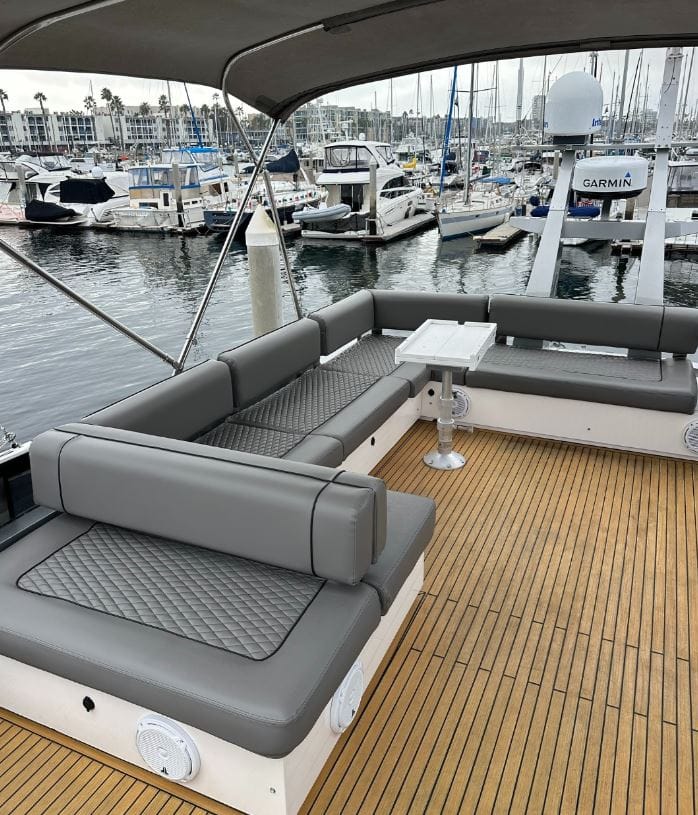
Marine vinyl (often referred to as marine-grade PVC or expanded vinyl) is the gold standard for boat upholstery, seating, and interior panels. Engineered to resist UV radiation, mildew, and salt corrosion, it is far more durable than automotive or residential vinyl. However, improper cleaning—using bleach, abrasive pads, or petroleum-based conditioners—can permanently damage the plasticizers that keep marine vinyl flexible.
This guide provides a scientifically-backed, step-by-step methodology to clean, disinfect, and protect marine vinyl without compromising its structural integrity.
Why Marine Vinyl Requires a Different Cleaning Approach
Unlike leather or fabric, marine vinyl is non-porous. Dirt, sunscreen (especially oxybenzone), and body oils sit on the surface. However, many boat owners unknowingly strip the topcoat—a clear urethane layer that provides UV resistance. Once this topcoat erodes, the vinyl becomes sticky, brittle, and prone to cracking.
Key threats to marine vinyl:
- Sunscreen (chemical stains): Oxybenzone and avobenzone react with plasticizers.
- Salt crystals: Act as abrasives when wiped dry.
- Mildew: Thrives in folded seams and wet storage.
- Petroleum distillates: Found in some “vinyl conditioners” (e.g., Armor All Original).
Professional note: Avoid silicone-based protectants. They attract dirt, create a slippery surface, and accelerate topcoat failure.
Tools & Materials Required
| Category | Recommended Item | Purpose |
|---|---|---|
| Soft brushes | Horsehair detail brush (medium stiffness) | Agitate without scratching |
| Non-abrasive pads | 3M Scotch-Brite #7445 (ultra-fine) | Light stain removal |
| Microfiber towels | 350–400 GSM, waffle weave | Lint-free drying |
| Spray bottles | UV-resistant HDPE | Even solution application |
| Cleaning solution | Dedicated marine vinyl cleaner (pH 7–9) | Emulsify oils & dirt |
| Mildew treatment | Concrobium Mold Control | Kills spores without bleach |
| UV protectant | 303 Aerospace Protectant (non-greasy) | Restores topcoat flexibility |
Step-by-Step Cleaning Protocol
Phase 1: Dry Soil Removal (Pre-Wash)
Do not wet the vinyl immediately. Dry dirt + water = abrasive slurry.
- Vacuum seams and crevices using a soft brush attachment.
- Wipe entire surface with a dry microfiber cloth to remove loose salt, sand, and dust.
- For heavy dirt, use a soft-bristled brush in straight lines (not circular) to lift particles.
Phase 2: Deep Cleaning (Stain & Oil Removal)
Mix or select a cleaner with a pH between 7 and 9. Acidic cleaners (vinegar, citrus) and strong alkalis (bleach) degrade plasticizers.
Recommended solution (DIY alternative to commercial cleaners):
- 1 gallon distilled water (warm)
- 1 tablespoon mild dish soap (free of dyes, fragrances, and degreasers like Dawn Free & Clear)
- 1 tablespoon sodium bicarbonate (alkaline booster, safe for vinyl)
Procedure:
- Spray solution onto vinyl, not directly into seams.
- Agitate with a horsehair brush using light pressure. Allow 2–3 minutes of dwell time.
- Wipe with a damp microfiber towel. Rinse the towel frequently.
- For embedded stains (sunscreen, blood, coffee), use a vinyl stain eraser (melamine foam) lightly wetted—never dry.
Phase 3: Mildew Remediation
Mildew appears as black or pink spots. Bleach kills surface spores but leaves salts that attract future mildew. Use an EPA-registered fungicide.
| Method | Pros | Cons |
|---|---|---|
| Bleach solution (1:10) | Fast, cheap | Damages topcoat; voids many warranties |
| White vinegar (undiluted) | Non-toxic | Ineffective on deep spores; acidic (pH ~2.5) |
| Concrobium | No rinse; leaves microscopic barrier | Requires 10–15 min dwell time |
| Star brite Mildew Stain Remover | Marine-specific; no bleach | Strong smell; test on hidden area first |
Professional choice: Spray Concrobium, allow 10 minutes, then agitate gently. Wipe with damp cloth. Repeat weekly in high-humidity areas.
Phase 4: Rinse & Dry
Residual soap attracts dirt and can degrade stitching.
- Rinse using a clean, water-soaked microfiber towel (no hose—pressure forces water into foam backing).
- Dry immediately with a separate dry microfiber towel.
- Air dry for 1–2 hours before applying protectant.
Phase 5: UV Protectant Application
This is the most critical step for longevity. A quality protectant replaces lost plasticizers and blocks UV-A/UV-B.
Application rules:
- Apply to completely dry vinyl.
- Spray onto a folded towel, not directly onto vinyl (overspray creates slippery seats).
- Wipe in one direction, then buff off excess after 2 minutes.
- Allow 12 hours to cure before exposure to water or use.
Top performer: 303 Aerospace Protectant (no silicones, UV rating SPF 40+).
Avoid: Any product claiming “high gloss” or containing lanolin.
Chemical Compatibility & Damage Chart
| Product / Ingredient | Effect on Marine Vinyl | Safe for Regular Use |
|---|---|---|
| Bleach (sodium hypochlorite) | Yellowing, stiffening, cracking in 3–6 months | ❌ No |
| Simple Green (original) | Degrades plasticizers (high pH ~11) | ❌ No |
| Acetone / Goof Off | Dissolves surface layer | ❌ Never |
| Dawn dish soap (concentrated) | Acceptable if diluted (1:100) | ⚠️ Occasional |
| Ammonia | Leads to sticky residue | ❌ No |
| 303 Cleaner (marine formula) | pH 8.5, no sulfates | ✅ Yes |
| Isopropyl alcohol (70%) | Safe for spot disinfecting (wipes only) | ⚠️ Spot use only |
How Often to Clean Marine Vinyl
| Usage Level | Light Cleaning (dry wipe) | Deep Cleaning | UV Protectant |
|---|---|---|---|
| Heavy (daily use, saltwater) | After each use | Weekly | Every 2 weeks |
| Moderate (weekend cruising) | Once per trip | Monthly | Every 30 days |
| Light (trailered boat, covered storage) | Monthly | Every 3 months | Every 60 days |
| Storage (winterized) | N/A | Before storage + after storage | Before storage only |
7 Common Mistakes That Destroy Marine Vinyl
- Pressure washing – Forces water into foam backing → mold from inside.
- Using a stiff scrub brush – Nylon bristles scratch the urethane topcoat.
- Letting bird droppings sit – Acidic, stains permanently in 48 hours.
- Applying protectant over dirt – Locks in abrasives.
- Storing wet cushions – Mildew between seams within 24 hours.
- Using “leather” wipes – Contain oils that degrade PVC.
- Heat damage – Shrinking vinyl with heat gun to remove wrinkles.
DIY Stain Removal Reference Table
| Stain Type | Immediate Action | Cleaning Agent | Technique |
|---|---|---|---|
| Sunscreen (white residue) | Blot, don’t rub | Isopropyl alcohol (70%) on cotton swab | Dab, then rinse immediately |
| Blood / fish residue | Cold water rinse | Enzyme cleaner (e.g., Nature’s Miracle) | Spray, dwell 5 min, agitate |
| Rust | Remove source | Oxalic acid (Bar Keepers Friend liquid) | Apply paste, rinse within 2 min |
| Chewing gum | Freeze with ice cube | Scrape with plastic razor blade | Wipe with mineral spirits (spot test) |
| Mildew (deep set) | None | Concrobium + sunlight | Apply, expose to UV for 4 hrs |
Final Professional Verdict
Marine vinyl is remarkably forgiving if you adhere to three rules: no bleach, no abrasives, no petroleum. A proactive schedule of pH-neutral cleaning followed by UV protectant application will extend the life of your upholstery from 3–5 years (with neglect) to 10–15 years (with proper care).
For high-end or stitched vinyl (e.g., Naugahyde, Spradling), always request a material data sheet (MDS) from the manufacturer. Some premium vinyls tolerate mild chlorine or stronger degreasers, but the standard “marine vinyl” used on most production boats (2008–present) responds best to the protocol above.
Last tip: Keep a small spray bottle of diluted 303 Cleaner and a microfiber towel in your boat’s glove compartment. Spot-clean spills immediately, and you will never face a deep stain again.