The Definitive Guide to Cleaning Mexican Tile (Saltillo): Preserving Beauty Without Damage
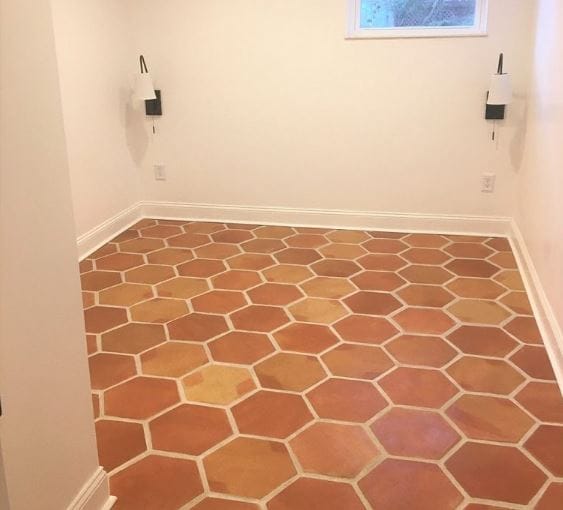
Mexican tile, commonly known as Saltillo tile, is a beloved terracotta flooring choice prized for its warm, earthy tones, unique variations, and handcrafted character. However, its soft, porous, unglazed nature makes it notoriously difficult to clean compared to ceramic or porcelain.
Incorrect cleaning—using acidic mops, steam cleaners, or wax-based dressings—can permanently etch, discolor, or strip the protective sealant. This guide provides a science-based, step-by-step methodology to clean, restore, and maintain Saltillo tile safely.
Understanding Mexican Tile: Why Cleaning Is Different
Before cleaning, recognize these critical properties:
| Property | Mexican Tile (Saltillo) | Standard Ceramic Tile |
|---|---|---|
| Surface | Unglazed, porous, soft | Glazed, non-porous, hard |
| Water absorption | High (10-15%) | Low (<0.5%) |
| pH sensitivity | Extreme (damaged by acids) | Moderate |
| Sealant requirement | Mandatory (every 1-3 years) | Optional |
| Cleaning pH range | 7.0–10.0 (neutral to mild alkaline) | 3.0–11.0 |
Key takeaway: Never use vinegar, lemon, or acidic bathroom cleaners. They dissolve the clay minerals.
Phase 1: Routine Maintenance (Daily to Weekly)
Tools & Materials
- Soft-bristle dust mop or microfiber mop
- pH-neutral tile cleaner (e.g., Simple Green Pro D, Zep Neutral pH Floor Cleaner)
- Two buckets (one for cleaning solution, one for rinsing)
- Soft terrycloth or microfiber pads
- Squeegee (optional for large areas)
Procedure
- Dry dust – Remove loose dirt, sand, and grit daily. Grit acts as abrasives that scratch the sealer.
- Damp mop only – Wring mop until nearly dry. Excess water seeps into seams and cracks, causing mildew.
- Solution mix – Follow manufacturer dilution (typically 1–2 oz per gallon of lukewarm water). Do not use hot water—it softens wax-based sealers.
- Mop in sections – 3×3 foot areas. Rinse mop head frequently.
- Immediate dry – Use a clean, dry microfiber cloth or fan to prevent standing water.
Frequency: Light traffic areas – weekly; entryways/high traffic – every 2–3 days.
Phase 2: Deep Cleaning (Monthly or As Needed)
Deep cleaning removes embedded grime, oily residues, and old wax buildup that dulls the appearance.
Recommended Deep Cleaners (Safe for Sealed Saltillo)
| Product | Type | pH | Best For |
|---|---|---|---|
| Aqua Mix Heavy-Duty Tile & Grout Cleaner | Alkaline gel | 10.5 | Greasy kitchens, pet stains |
| Bona Stone & Tile Cleaner | Neutral liquid | 8.0 | General deep cleaning |
| Stonetech KlenzAll | Alkaline powder | 11.0 | Stripping old sealer residue |
| Simple Green Pro 3D | Alkaline liquid | 9.5 | Soap scum, light wax |
Step-by-Step Deep Clean
- Test sealant integrity – Sprinkle water on the tile. If it beads up, sealer is intact. If it darkens immediately, the sealer is worn—deep clean gently and plan to reseal.
- Apply cleaner – Dilute per instructions. Use a soft floor brush (nylon bristles, never steel or brass).
- Agitate gently – Work in small circles. Do not scrub hard—Saltillo’s surface can erode.
- Let dwell – 5–10 minutes (do not let dry).
- Extract dirty solution – Use a wet vacuum or clean mop with plain water. Repeat rinse until water runs clear.
- Force dry – Use fans or a floor dryer for 2–4 hours before resealing.
Phase 3: Removing Common Stains
Treat stains immediately using the correct method. Blot—never rub.
| Stain Type | Safe Treatment | Unsafe (Do Not Use) |
|---|---|---|
| Red wine, coffee | 3% hydrogen peroxide + baking soda paste (24h covered) | Vinegar, bleach |
| Oil, grease | Cornstarch absorbent + isopropyl alcohol dab | Ammonia, degreaser |
| Rust | Commercial rust remover for terracotta (e.g., Iron Out Gel) | Muriatic acid, CLR |
| Hard water marks | Diluted distilled water + microfrub | Acidic descalers |
| Paint (latex) | Soapy water + plastic scraper | Solvents, acetone |
Caution: Even “natural” citrus cleaners contain citric or d-limonene acid, which etches unglazed clay.
Phase 4: Resealing Mexican Tile
A worn sealer is the #1 reason for difficult cleaning. Saltillo should be resealed every 1–3 years depending on traffic.
Sealer Comparison Table
| Sealer Type | Appearance | Durability | Re-coat Ease | Recommended For |
|---|---|---|---|---|
| Penetrating (water-based silane/siloxane) | Natural matte | Medium (2-3 yrs) | Easy | Low-traffic interiors |
| High-gloss acrylic (solvent-based) | Wet look | High (3-5 yrs) | Moderate (strip first) | Commercial, high-traffic |
| Matte acrylic (water-based) | Low sheen, natural | Medium | Easy | Residential kitchens/halls |
| Epoxy (2-part) | Glossy, plastic-like | Extreme (7-10 yrs) | Difficult (requires grinding) | Restaurants, industrial |
Application steps:
- Deep clean + dry (24 hours minimum).
- Apply sealer with a lambswool applicator in thin, even coats.
- Allow 2–4 hours between coats (2–3 coats typical).
- Cure 48–72 hours before normal foot traffic.
Phase 5: What to Avoid (Critical Damage Risks)
- ❌ Steam mops – Heat and moisture force salts to the surface (efflorescence) and can delaminate the tile body.
- ❌ Bleach or ammonia – Chemically react with clay minerals, causing discoloration and pitting.
- ❌ Vinegar, lemon juice, or any acidic cleaner – pH below 6 erodes the surface, leaving rough white spots.
- ❌ Wax or floor polish – Creates a yellowing, sticky layer that traps dirt and requires solvent stripping.
- ❌ Baking soda on wet tile – Abrasive enough to remove sealant. Use only as a paste on isolated stains.
Troubleshooting Common Problems
| Problem | Likely Cause | Solution |
|---|---|---|
| White, powdery residue on surface | Efflorescence (mineral salts) | Wipe with distilled water + allow to dry; improve subfloor vapor barrier |
| Dark, damp spots after mopping | Worn sealer / moisture intrusion | Dry completely, then apply penetrating sealer |
| Sticky or tacky feeling | Wrong cleaner or wax buildup | Strip with ammonia-free wax remover, rinse, reseal |
| Dull, no shine | Abrasive dirt or old acrylic oxidation | Deep clean + apply fresh topcoat sealer |
Professional Cleaning vs. DIY
| Factor | DIY | Professional |
|---|---|---|
| Cost per sq ft | $0.10–$0.30 (supplies) | $1.50–$3.50 |
| Time for 500 sq ft | 6–8 hours (clean + seal) | 2–3 hours |
| Equipment needed | Mop, buckets, fan | Rotary floor machine, wet vac, high-speed burnisher |
| Risk of damage | Moderate (if using wrong chemicals) | Low (specialized in soft tile) |
When to hire a pro:
- Severe wax buildup (yellowed, thick layers)
- Etching or pitting from acid damage
- Efflorescence that returns after cleaning
- Tile unsealed for >5 years
Maintenance Schedule Summary
| Task | Frequency | Time Required |
|---|---|---|
| Dry dust mop | Daily | 5 min/room |
| Damp mop (neutral cleaner) | Weekly | 15–20 min |
| Deep clean (alkaline) | Every 2–3 months | 1–2 hours |
| Sealer test (water beading) | Every 6 months | 1 min |
| Reseal | Every 1–3 years | 2–4 hours (plus drying) |
Final Professional Recommendation
Mexican tile is not “high maintenance”—it is specific maintenance. Treat it like a natural stone: neutral pH cleaners, no steam, no acids, and a fresh breathable sealer every few years. When cared for correctly, Saltillo ages into a richer, more beautiful patina over decades.
For severe damage (cracks, missing pieces, deep stains beyond cleaning), consult a Natural Stone Institute (NSI) certified restorer.