The Definitive Guide to Removing Rust Stains from Your Toilet Bowl
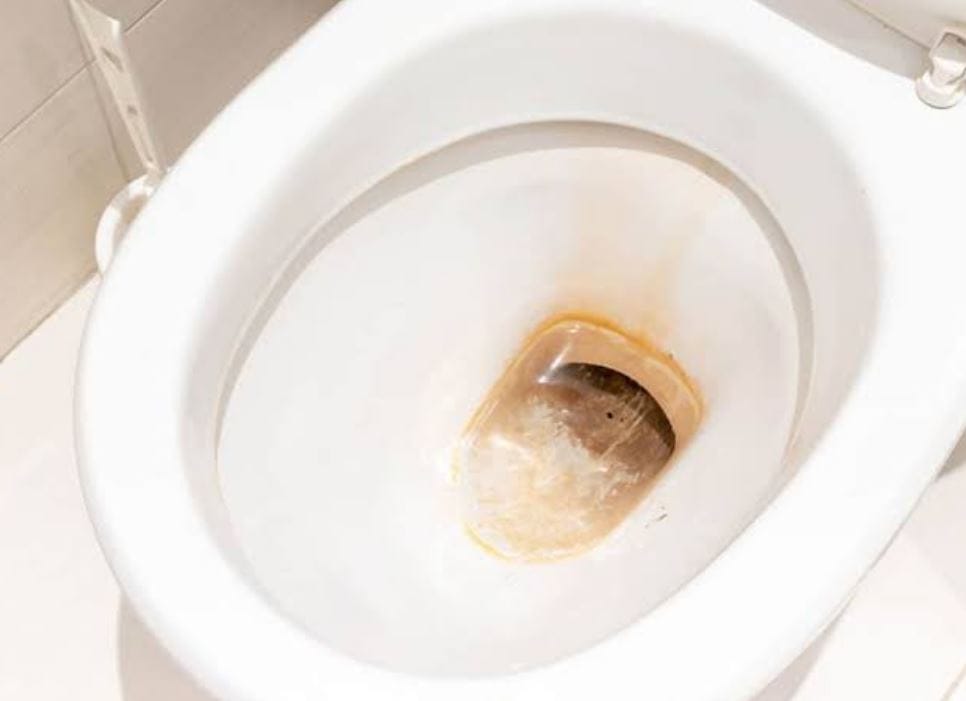
Few household blemishes are as aesthetically frustrating—and chemically misunderstood—as the deep orange-brown rings marring an otherwise clean toilet bowl. These rust stains, often appearing as a ring at the waterline or streaking down from the rim, are not a reflection of your cleaning ethic. They are a mineralogical fact of life in homes with specific water conditions.
This definitive guide deciphers the science behind rust discoloration, provides a structured comparison of removal methodologies, and details preventative protocols to keep your porcelain pristine.
1. Differential Diagnosis: Rust vs. Mineral Buildup
Before deploying chemical agents, you must correctly identify the stain’s etiology. Treating a biological issue with a heavy acid is ineffective; treating a ferric stain with bleach is chemically disastrous.
| Stain Type | Color Profile | Primary Cause | Chemical Reaction with Bleach |
|---|---|---|---|
| Iron (Rust) | Orange, reddish-brown, deep terracotta. | Oxidized iron (Fe₂O₃) dissolved in well water or aging galvanized pipes. | Aggravation. Chlorine bleach oxidizes dissolved iron, converting it to a solid particulate that deposits deeper into porcelain pores. |
| Hard Water (Limescale) | Chalky white, gray, or off-white crust. | Calcium carbonate (CaCO₃) and magnesium precipitation. | Minimal reaction; generally bleach-safe but ineffective for removal. |
| Manganese | Dark brown or black sludge/oily film. | Manganese bacteria or dissolved manganese reacting with disinfectants. | Can oxidize manganese, temporarily darkening stains. |
| Organic (Mold/Mildew) | Black or greenish-black ring at the waterline. | Airborne spores settling on a damp, nutrient-rich surface. | Bleaching. Chlorine effectively destroys the pigment, but dead spores remain if not scrubbed. |
Critical Warning: If you are on a private well system with high iron content, never pour chlorine bleach directly into the toilet tank. This creates a volatile ferric-chlorine complex that etches the porcelain and releases fume-laden gas.
2. Mechanical Preparation: The Non-Negotiable First Step
Topical application of cleaners to a submerged surface is chemically diluted. Porcelain is vitreous glass, but its microscopic pits trap air. You must de-water the target area.
The Water Displacement Protocol:
- Turn Off the Stop Valve: Locate the valve on the wall behind the toilet and turn it clockwise.
- Flush Empty: Flush the toilet and hold the handle down to evacuate as much water as possible from the trap.
- Sponge Extraction: Wearing nitrile gloves, use a high-density sponge to soak up the remaining water in the bottom of the bowl and the jet holes.
- Surface Drying (Optional but optimal): For a severe porous stain, use a hairdryer on low heat for 60 seconds to dry the porcelain surface. Dry porcelain accepts poultices far more effectively than damp porcelain.
3. The Treatment Hierarchy: A Ladder of Aggression
Remediation should follow a structured hierarchy, starting with the gentlest acid and escalating only if the matrix of the rust proves recalcitrant.
Tier 1: Mild Chelation (Surface Stains)
Agent: Citric Acid (C₆H₈O₇)
Citric acid is superior to acetic acid (vinegar) for rust chelation because it is a triprotic acid. It does not just dissolve the surface; it binds to the iron ion (Fe³⁺), rendering it water-soluble.
- Protocol: Sprinkle 2-3 tablespoons of food-grade citric acid crystals directly onto the damp, drained bowl. Let the hygroscopic nature of the crystals draw moisture from the air to form a paste. Leave for 1–4 hours.
- Efficacy: High for light rings; low for deep, layered deposits.
Tier 2: The Mechanical Reduction (Paste Poultice)
Agent: Cream of Tartar (Potassium bitartrate) & Hydrogen Peroxide (3%)
This creates a low-pH paste with oxidizing lift.
- Protocol: Mix a thick paste (peanut butter consistency). Apply heavily to the stain line. Cover with plastic wrap to prevent drying for 2 hours. The mechanical action of scrubbing with a white, non-scratch Scotch-Brite pad finishes the removal.
Tier 3: Industrial Descaling (Moderate to Heavy Deposits)
Agent: Sulfamic Acid Crystals
This is the gold standard for commercial toilet descaling. Unlike hydrochloric (muriatic) acid, sulfamic acid is harsh but generally safe for vitreous china and PVC plumbing pipes when used responsibly.
- Protocol: Wearing a respirator and chemical-resistant gloves, sprinkle the crystals around the bowl rim. The crystals sink and activate on contact with residual water. Do not breathe the dust. Allow to fume and react for 15-20 minutes maximum. Scour with a long-handled pumice stone (keep stone wet).
- Note: Never mix sulfamic acid with bleach or lye drain openers. This creates a thermal eruption of toxic chloramine or mustard gas.
Tier 4: The Last Resort (Porcelain Etching Risk)
Agent: Muriatic Acid (31.45% Hydrochloric Acid)
Warning: This is an emergency protocol for houses on the market with decade-old stains, not routine maintenance.
- Protocol: This acid attacks the silica glaze. It must be diluted (1 part acid to 10 parts water—add acid to water, never the reverse). Apply only to the dry bowl with a paintbrush, wait 60 seconds, and flush violently with two buckets of water to protect the main drain seal. Fumes will corrode nearby stainless steel fixtures instantly.
4. Comparative Analysis of Cleaning Agents
The market is saturated with expensive branded rust removers. The table below provides a technical breakdown of active ingredients to help you purchase the generic equivalent or understand what you are paying for.
| Product/Ingredient | Chemical Mechanism | Porcelain Safety Rating | Dwell Time | Iron-Specific Efficacy | Odor Profile |
|---|---|---|---|---|---|
| White Vinegar (5% Acetic Acid) | Slow acid dissolution (pKₐ 4.76) | Excellent (Non-abrasive) | 8+ Hours (Overnight) | Low | Pungent but dissipates |
| Citric Acid Crystals | Chelation (Sequesters Fe³⁺) | Excellent | 1–3 Hours | High (Targets rust specifically) | Odorless |
| CLR (Lactic/Gluconic Acid blend) | Biodegradable chelation | Good | 2–5 Minutes | Medium (Requires heavy scrubbing) | Mild, sour |
| Iron Out (Sodium Hydrosulfite) | Reduction (Converts Fe³⁺ to Fe²⁺) | Good (Do not mix with other chems) | 10–15 Minutes | Very High | Strong Sulfur (Rotton Egg) |
| Whink Rust Remover (Hydrofluoric Acid) | Aggressive silica etching | Poor / Dangerous | 1–2 Minutes | Instantaneous | Acrid/Sharp |
| The Pumice Stone | Micro-abrasion | Good (If kept wet) | Manual Labor | High (Physical removal) | None |
| Toothpaste (Whiting Paste) | Mild abrasive with silica | Excellent (Polishes, doesn’t scratch) | 5–10 min scrub | Low (Cosmetic polish only) | Minty |
5. The Prevention Protocol: The Ferric Barrier
Once you have restored the porcelain to factory white, the porous surface is actually more prone to re-staining unless you seal it or address the source.
The “Aqua-Pel” Trick:
After thorough cleaning, apply a hydrophobic glass sealant (like Rain-X or a ceramic coat spray for showers) to the dry internal bowl. This fills the micro-pits in the vitreous china, preventing oxidized iron from finding a nucleation point.
Tank Integrity Audit:
If the rust is streaming from the rim, the problem is internal. Open the tank lid. If the water is clear, but the flapper and flush valve are coated in orange sludge, the iron is precipitating out of the water via oxidation inside the tank during the idle cycle.
- Solution: Do not use bleach tablets. Install a polyphosphate filter cartridge in the tank feed line. This inorganic phosphate encapsulates the iron, keeping it soluble so it passes through the system without depositing on the ceramic.
6. Frequently Asked Technical Questions
Q: Why did the stain turn black after I scrubbed it?
A: This is a classic indicator of manganese, not just iron. Manganese dioxide turns black upon oxidation. If your cleaner was chlorine-based, you caused this reaction. Switch to a reducing agent (sodium hydrosulfite) to clear it.
Q: Can I use a metal scrubber like steel wool?
A: Absolutely not. Steel wool leaves micro-deposits of iron embedded in the porcelain scratch marks. These deposits will rust within 24 hours, leaving a gray/black “shadow” stain worse than the original orange stain. Always use a plastic mesh, pumice, or copper-free fine bronze wool if you must use metal.
Q: How do I prevent septic system damage while using acids?
A: Septic systems rely on a bacterial equilibrium. Pouring a full bowl of heavy acid directly into the tank can cause a “die-off.” To mitigate this, neutralize the bowl with baking soda slurry before flushing, and flush with one gallon of water immediately after to dilute the slug. Occasional use of citric acid is septic-safe; chronic use of hydrochloric acid is not.
By understanding the electrochemical bond between iron and porcelain, you abandon the futile cycle of abrasive scrubbing and adopt a scientific strategy of chelation, reduction, and barrier sealing. The result is not just a clean bowl, but a long-term restoration of the fixture’s vitreous integrity.