How to Clean Rust Off Brick: A Complete Structural Guide
The Art of Restoring Masonry Without Causing Damage
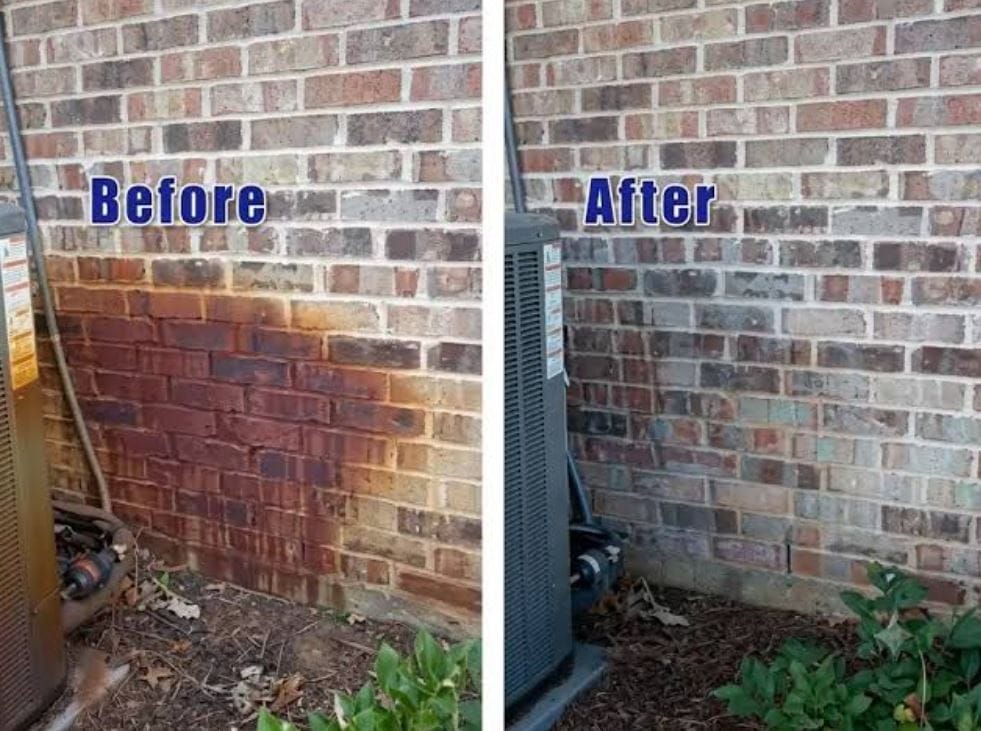
Brick is revered for its durability and timeless aesthetic, but it has a chemical Achilles’ heel: iron oxide staining, commonly known as rust. Whether caused by a leaking wrought-iron railing, mineral-rich well water, or metal garden furniture left against a façade, rust stains are more than a cosmetic nuisance; they are a chemical bond. Removing them requires an understanding of masonry chemistry, not just elbow grease.
This guide provides a definitive, step-by-step methodology for rust removal, ranging from mild household remedies to professional-grade chemical interventions.
The Chemistry of the Stain: Why Rust Grips Brick
To clean effectively, you must understand the enemy. Brick is porous, essentially a rigid sponge. When ferrous (iron-containing) metal oxidizes, it doesn’t just sit on the surface; soluble iron ions migrate deep into the capillary pores. When you attempt to clean rust with water and a brush, you often spread these ions, making the stain larger and deeper.
Effective cleaning requires two chemical stages:
- Reduction/Sequestration: Converting insoluble iron (rust) into a soluble, colorless compound.
- Chelation: Trapping those soluble ions so they can be rinsed away without re-depositing.
Phase I: Preliminary Assessment and Safety Protocols
Critical Warning: Never introduce acids to brickwork that has not been tested. Old, soft bricks (pre-1920s) can be dissolved by acid. New brick can be etched, changing the surface texture permanently.
Required Protective Equipment (PPE)
| Equipment | Specification | Purpose |
|---|---|---|
| Respirator | P100/OV cartridge | Acid fumes cause permanent lung scarring; vapor cartridges are mandatory indoors. |
| Eyewear | Splash-proof goggles (not glasses) | Acid splatter causes corneal burns. |
| Gloves | Neoprene or heavy PVC | Latex and nitrile degrade rapidly upon acid contact. |
| Clothing | Tyvek suit or old cotton (long sleeves) | Prevents chemical burns on skin. |
Pre-Cleaning Procedure
- Saturation: Thoroughly saturate the brick with clean water. Dry brick acts like a straw, sucking the chemical cleaner deep into the wall where it can cause efflorescence or internal salt damage later. Keep it wet.
- Protect Surroundings: Mask glass windows with plastic sheeting. Wet down nearby vegetation. Acids and oxidizers kill plant roots.
Phase II: The Progressive Removal Hierarchy
Start with the gentlest method. Escalate only if the stain persists. Never mix chemicals; thoroughly rinse between attempts.
Comparison of Cleaning Methods
| Method | Best Application | Active Agent | Dwell Time | Risk to Brick | Efficacy |
|---|---|---|---|---|---|
| Poultice (Absorption) | Deep, old stains; vertical surfaces | Absorbent clay + Chelating agent | 24-48 hrs | Very Low | High |
| Oxalic Acid | Moderate rust on light-colored brick/clay | Acid reduction | 15-20 mins | Medium (Etching) | Very High |
| Commercial Rust Remover | Severe, widespread orange staining | Acid-free chelates (HPAC) | 20-30 mins | Low | Extreme |
| Power Washing | Surface dirt, loose rust (never the primary cleaner) | High-pressure water | N/A | Critical (Erosion) | Low (Spreads stain) |
| Wire Brushing | Loose scale only | Friction | N/A | Catastrophic | None (Damages brick) |
Phase III: Execution of Techniques
Method 1: The Poultice Method (For Vertical Walls and Deep Stains)
The gold standard for historic masonry. A poultice draws the stain out of the brick rather than washing it across the face.
The Formula:
- The Absorbent: Diatomaceous earth, kaolin clay, or even unscented kitty litter (calcined clay).
- The Active Chemical: Your chosen rust remover (see Method 2 or 3).
- The Mixing Ratio: Mix dry absorbent with the liquid cleaner until it reaches the consistency of peanut butter.
Application Procedure:
- Apply the poultice paste to the stained area using a plastic spatula or trowel at a thickness of ¼ to ½ inch.
- Feather the edges beyond the stain by at least one inch.
- Cover the poultice with plastic wrap and tape the edges to trap moisture. The poultice must dry to work. If it dries instantly, the active ingredient didn’t pull out the stain.
- Allow it to dry completely (24–48 hours). As the paste dries, capillary action pulls the dissolved iron salts from the brick into the poultice medium.
- Scrape off the dried powder and discard. Do not rinse the powder off while wet. Rinse the bare brick only after the poultice is removed.
Method 2: Oxalic Acid Application (The “Brightener”)
Oxalic acid is the traditional mason’s choice for iron stains. It is toxic and acidic, but highly effective on yellow/brown oxide stains.
The Formula:
- Concentration: 4 ounces of oxalic acid crystals per 1 gallon of warm water.
- Additives: A surfactant (a few drops of pH-neutral detergent) breaks surface tension.
Application Procedure:
- Pre-Wet: Fully saturate the brick.
- Brush Application: Apply the solution with a natural fiber brush (acid dissolves nylon bristles).
- Dwell: Do not let the solution dry on the surface. Mist with water if it starts to crystallize. If it dries, it creates white oxalate salts impossible to remove. Maximum contact time: 20 minutes.
- Neutralization: This is the most skipped, yet most vital step.
- Rinse heavily with water.
- Apply an alkaline wash (1 cup baking soda per gallon of water) to neutralize the acid residue in the pores.
- Final rinse with clean water.
Method 3: Professional Chelating Cleaners
Products like Prosoco’s “Lightning Rust Remover” or Sure Klean’s “Ferrous Stain Remover” are the modern solution. They are gel-based, non-acidic, and rely on proprietary chelating agents.
Why They Are Superior:
- No Acid Etching: Safe on polished stone and delicate antique brick.
- Gel Consistency: Clings to vertical surfaces for extended dwell time without poultices.
- Biodegradability: Environmentally safer chemistry.
Procedure:
- Apply the gel directly to the dry or damp surface (check manufacturer specs).
- The chemistry changes color as it works (often turning violet or black).
- Do not allow the gel to dry. Cover with plastic if working in direct sun.
- Power rinse with a garden hose (not high pressure, just volume) until the water runs clear.
Phase IV: The Forbidden Methods (What Never To Do)
1. The Muriatic Acid Trap
Many hardware store products labeled “Brick Cleaner” are raw muriatic (hydrochloric) acid. This is a nuclear option for rust. While it removes surface rust momentarily, it etches the silica, roughens the surface, and releases chloride ions. Chlorides cause the brick to hold moisture and eventually spall (flake apart in freeze-thaw cycles). Muriatic acid can also “burn” rust in, turning yellow stains into a permanent deep brown metallic streak.
2. Bleach
Oxidization is the enemy. Rust is already oxidized iron. Adding chlorine bleach (sodium hypochlorite) accelerates oxidation. You will turn a light orange stain into a permanent, dark black iron stain.
3. Steel Wool or Wire Brushes
Never use steel tools to scrub brick. Microscopic steel fragments shear off and embed in the clay. Within 24 hours, they rust, creating a rust stain that is now manufactured inside the surface of the brick.
The Art of Prevention: Post-Cleaning Sealing
Once the brick is dry (allow 72 hours minimum), consider sealing to close the capillary suction.
| Sealer Type | Breathability | Look | Recommended Use |
|---|---|---|---|
| Silane/Siloxane | High (repels water, allows vapor) | Invisible, matte | Exterior walls, chimneys |
| Acrylic Film | Low | Glossy, wet-look | Interior feature walls only |
Do not seal over a stain that is not 100% removed. The sealant will lock the chemistry in place, making future removal exponentially harder.
Final Note on Patience:
Rust removal is a reductive chemical process. If the stain is 20 years old, expect to apply the poultice or gel multiple times. You are drawing iron out of a porous mineral substrate, a process that mimics nature in reverse. With the correct chelating agents and the discipline not to scrub, even severe rust can be completely eliminated without altering the patina of the historic brick.